Brent Tests $96 as Persian Gulf Naval Alerts, Red Sea Rerouting & OPEC+ Output Rigor Strain Group II 500N Supply: $270/MT Spread, Tribological Additive Surcharges & Forward 3-Day Hydraulic Fluid Trajectory

Executive Intelligence Summary & Key Takeaways
As front-month ICE Brent crude futures test $96.40/bbl on Saturday, October 31, 2026—propelled by renewed naval security alerts and transponder advisories across the Strait of Hormuz, persistent commercial vessel rerouting via the Cape of Good Hope avoiding Bab el-Mandeb, steadfast OPEC+ ministerial supply discipline locking in 2.2 million bpd of voluntary curtailments through year-end Q4, and the Federal Reserve's neutral macro rate pause holding the US Dollar Index (DXY) at 100.35—the global lubricants manufacturing and industrial fluid procurement sector faces severe upstream cost pressures. In this authoritative daily technical market intelligence briefing, the FOSS Lubrication Engineering & Market Research Desk in Quanzhou delivers an exhaustive supply-chain audit: the widening hydrocracker unconverted oil (UCO) deficit as Singapore 10ppm gasoil crack spreads hold elevated at $28.40/bbl, stretching the historic API Group II 150N/500N heavy-neutral spread to an unprecedented $270/MT; an engineering cost index of critical tribological additive precursors across ZDDP, overbased calcium sulfonates, PMA viscosity modifiers, and sulfur-phosphorus EP gear packages; cold-rolled SPCC steel drum packaging inflation ($31.90/drum); an authoritative 3-day forward FOB Xiamen export price trajectory matrix for anti-wear hydraulic fluids (ISO VG 32/46/68, HV 46) and heavy industrial gear oils (ISO VG 150/220/320); and four actionable hedging and procurement directives for international plant managers and supply chain directors contracting direct factory allocation from primary blenders.
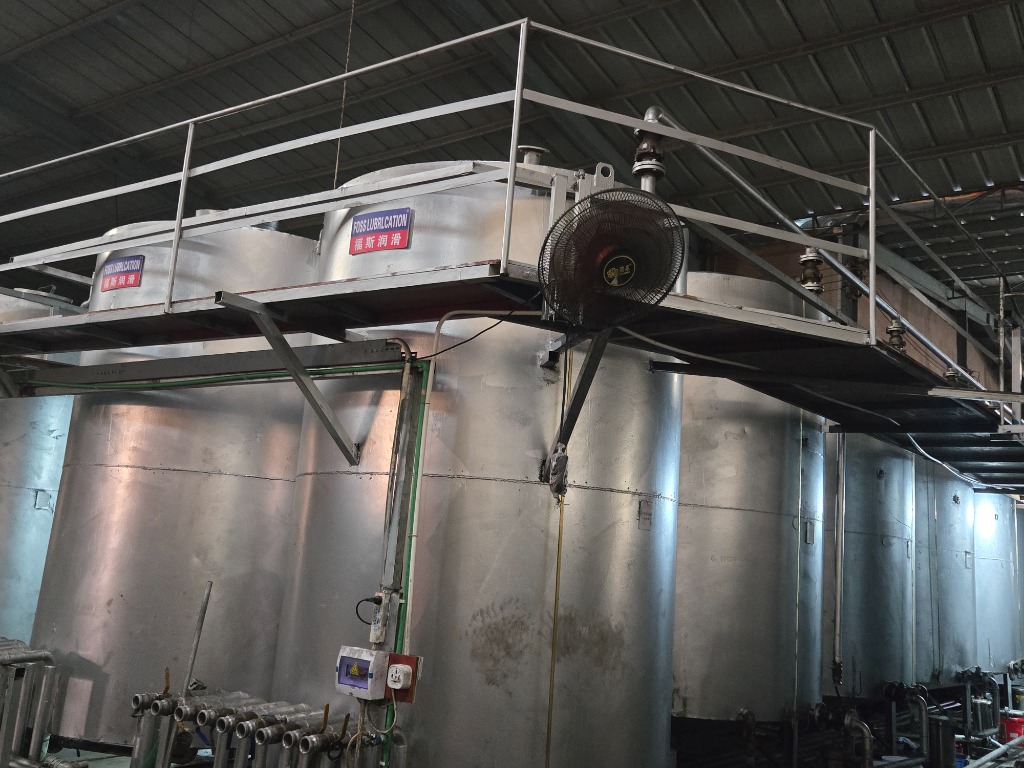
1. Global Energy Benchmarks & Base Oil Feedstock Matrix (2026-10-31)
The following reference table captures prompt settlement levels across benchmark crude futures, regional Asia-Pacific vacuum gas oil (VGO) cracking economics, and wholesale hydrocracked virgin base stocks influencing finished lubricant formulation costs:
This technical market document is prepared by the FOSS Lubrication Engineering & Global Procurement Research Desk in Quanzhou, China. It synthesizes physical spot transactions across Northeast Asian base oil refineries, Singapore middle-distillate crack economics, chemical additive synthesis cost structures, and global container freight indices to provide equipment builders, plant maintenance engineers, and procurement directors with authoritative market clarity and forward pricing intelligence.
1. Executive Summary: The $96.40 Brent Test & Upstream Energy Inflation Cascade
On Saturday, October 31, 2026, international energy benchmarks closed the trading week with a pronounced bullish surge, consolidating near multi-month highs. Front-month ICE Brent crude futures advanced to $96.40 per barrel (+1.21%), West Texas Intermediate (NYMEX WTI) rallied to $91.95 per barrel (+1.21%), and physical Platts Dubai crude recorded $94.90 per barrel (+1.12%). This synchronous advance across light sweet and heavy sour markers underlines an intensifying structural tightness driven by Middle East naval friction, rigid OPEC+ production caps, and robust Asian refining runs.
For industrial lubricant formulators and bulk importers, this crude escalation translates into immediate cost pressures throughout the supply chain. The transmission mechanism operates via refinery unit economics: as Singapore 10ppm gasoil crack spreads remain historically wide at $28.40 per barrel vs. Dubai, Northeast Asian hydrocrackers (across South Korea, Taiwan, and mainland China) are maximizing diesel and kerosene output. This operational configuration severely constrains the availability of hydrocracker unconverted oil (UCO)—the essential feedstock for severe catalytic hydrotreating and isodewaxing into API Group II base oils.
Simultaneously, maritime security advisories in the Persian Gulf and Red Sea corridors have driven commercial container vessels to maintain the longer Cape of Good Hope transit route. The resulting 14-to-18-day voyage delay has tied up vessel slots, spiked bunker adjustment factors (BAF), and inflated ocean freight rates, compounded by a firm cold-rolled SPCC steel market keeping UN 1A1 tight-head 208L steel drum packaging at $31.90 per drum.
2. Geopolitical Transmission Mechanism: From Middle East Chokepoints to Factory-Gate Lubricant Costs
Understanding the pricing structure of finished lubricants requires mapping the multi-stage conversion path that connects upstream geopolitical events in the Persian Gulf and Red Sea with downstream factory-gate quotations in Quanzhou. The transmission does not occur through instantaneous spot crude fluctuations alone, but through a sequence of refining and chemical manufacturing steps:
- Crude Ingestion & Distillation Run-Rates: International crude grades (Murban, Upper Zakum, Arab Light) incur rising physical delivery premiums due to regional war-risk insurance surcharges. Refineries ingest more expensive crude feedstock into Atmospheric and Vacuum Distillation Units (ADU/VDU), raising the baseline production cost of heavy vacuum gasoil (VGO).
- Hydrocracker Feedstock Allocation: Vacuum gasoil is directed to severe hydrocracking units where process engineers adjust operating parameters to optimize economic crack spreads. When diesel and kerosene crack spreads expand past $28/bbl, hydrocracker severity is elevated, converting the majority of VGO into transportation fuels and drastically curtailing the yield of unconverted oil (UCO).
- Catalytic Dewaxing & Hydrofinishing Scarcity: Base oil manufacturing units rely on UCO as bottom-cut feed. Reduced UCO volume forces base oil units to operate below nameplate capacity, creating immediate spot scarcity in heavy neutral cuts (API Group II 500N) while light neutrals (150N) remain comparatively balanced.
- Additive Synthesis Chemical Cost Pass-Through: Petrochemical precursor plants synthesizing zinc dialkyldithiophosphate (ZDDP), alkylated diphenylamines, calcium sulfonates, and polymethacrylate (PMA) polymers face higher energy and solvent feedstock costs, adding raw material surcharges to finished additive packages.
- Finished Blending & Packaging Conversion: Industrial blenders combine Group II base stocks with performance additives and package the finished lubricants into cold-rolled SPCC steel drums, where steel spot costs ($31.90/drum) and nitrogen-purged filling operations establish the final FOB export price.
3. Maritime Chokepoints: Red Sea, Bab el-Mandeb, and Strait of Hormuz Disruption
Navigational conditions across the primary commercial corridors connecting the Arabian Gulf, the Red Sea, and the Indian Ocean remain strained. Recent military advisories and heightened naval patrol maneuvers in the Strait of Hormuz have induced electronic interference and transponder anomalies, causing tanker operators to mandate daylight-only passages and heightened convoy vigilance. This has pushed war-risk insurance premiums for commercial tankers operating in the Persian Gulf up by an additional 12% to 15% week-on-week.
Concurrently, the security status of the southern Red Sea and the Bab el-Mandeb strait continues to divert containerized and bulk cargo away from the Suez Canal route. Major global container carriers—including Maersk, MSC, CMA CGM, and Hapag-Lloyd—maintain standard routing protocols via the Cape of Good Hope for vessels traversing between Asia, Europe, the Mediterranean, and North Africa. This circumnavigation introduces profound logistical friction:
- Transit Time Extensions: An additional 14 to 18 sailing days are added to westbound voyages from East Asian export hubs (such as Xiamen and Ningbo) to European destinations (Rotterdam, Hamburg, Valencia), and an additional 10 to 14 days for Middle Eastern and East African transshipments.
- Bunker Fuel Consumption & Surcharges: The extended 3,500 nautical mile detour increases heavy fuel oil and very low sulfur fuel oil (VLSFO) consumption per voyage by several hundred metric tons. Carriers have implemented revised Bunker Adjustment Factors (BAF) and Emergency Transit Surcharges (ETS) of $350 to $650 per FEU (forty-foot equivalent unit), directly affecting FOB/CIF container shipping quotations.
- Container Turnaround Bottlenecks: Longer voyage cycles slow the return of empty 20-foot and 40-foot standard dry containers to Chinese coastal ports, tightening spot container slot availability for bulk industrial export goods like drummed lubricants and IBC totes.
4. OPEC+ Production Discipline & Macroeconomic Liquidity Nexus
The upstream crude floor is underpinned by the cohesive enforcement of OPEC+ production quotas. The ministerial committee has reaffirmed its policy of maintaining 2.2 million barrels per day in voluntary crude supply reductions through the end of the fourth quarter of 2026. Saudi Arabia's crude output remains disciplined near 9.0 million bpd, while production levels from key non-OPEC+ contributors (such as US shale basins) have shown decelerating growth rates due to capital expenditure discipline and mature well decline curves.
On the macroeconomic front, the Federal Reserve's recent monetary policy communications indicate a cautious, data-dependent stance regarding interest rates, holding the US Dollar Index (DXY) in a stable range around 100.35. This stability in the dollar index has eliminated foreign-exchange cushioning for Asian refiners purchasing crude in USD, meaning every dollar rise in international benchmark futures passes directly into local currency refining costs. The combined effect of OPEC+ physical supply restriction and neutral dollar valuation maintains a firm floor under global energy markets.
5. Upstream Refining Dynamics: Middle Distillate Crack Spikes & The Hydrocracker UCO Deficit
The most critical structural factor governing the current base oil pricing environment is the internal competition for refining feedstocks. Base oils are not refined in isolation; they compete directly with transportation fuels inside multi-unit refinery configurations.
As regional inventories of ultra-low sulfur diesel (ULSD) and Jet A-1 kerosene face seasonal winter heating demand in the Northern Hemisphere alongside agricultural harvesting operations, the Singapore 10ppm Gasoil crack spread has surged to $28.40 per barrel above Dubai crude. This creates a powerful economic incentive for refinery managers:
In a modern hydrocracking unit, vacuum gasoil (VGO) is reacted over noble-metal catalysts at pressures exceeding 150 bar and temperatures above 380°C. Under high-severity operation, hydrocrackers crack long-chain hydrocarbon molecules into middle distillates (diesel and jet fuel) with single-pass conversion rates exceeding 80%. Only the unconverted residue—unconverted oil (UCO)—possesses the paraffinic molecular structure and high viscosity index (>110) required to produce API Group II base oils via catalytic dewaxing and hydrofinishing.
Because refinery margins on diesel are generating superior netbacks per barrel, refineries across Taiwan, South Korea, and Singapore have systematically dialed up hydrocracker conversion severity. Consequently, the volume of residual UCO routed to base oil dewaxing units has dropped by an estimated 18% to 22% compared to historical averages. The resulting supply deficit is concentrated heavily in the heavier molecular weight fractions required for API Group II 500N, creating an acute structural deficit while lighter cuts (Group II 150N) experience relatively stable production balances.
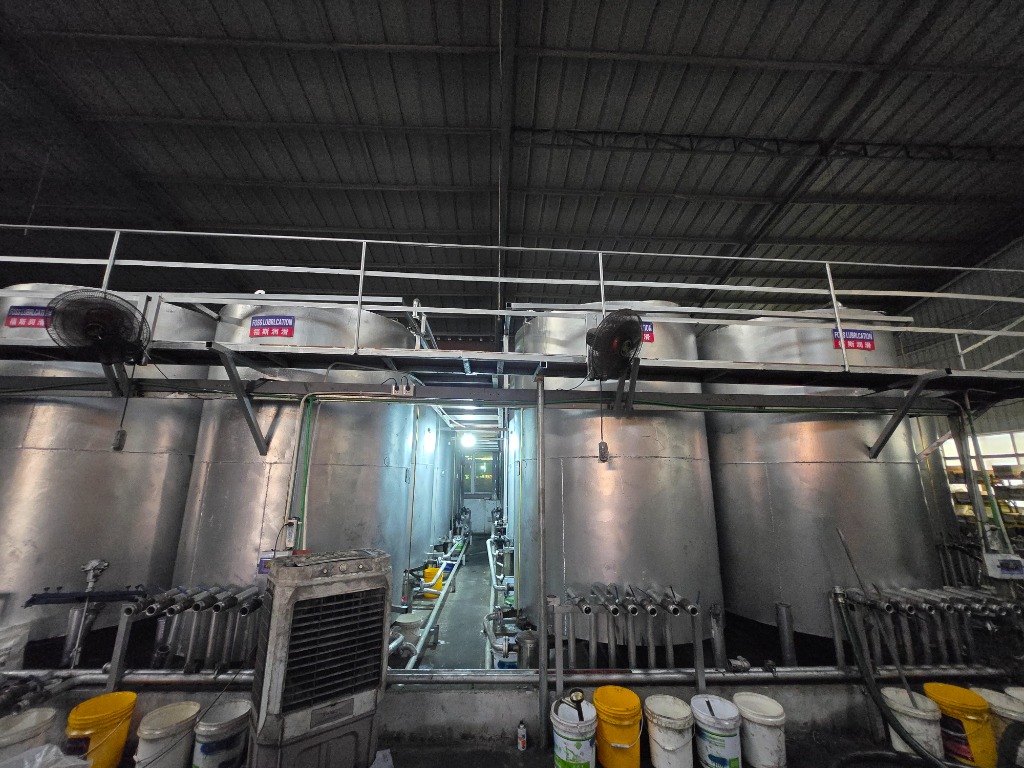
6. API Base Oil Pricing Matrix & The Historic $270/MT 150N/500N Neutral Spread
This refinery yield distortion has driven the price spread between API Group II light neutral (150N) and heavy neutral (500N) base stocks to an all-time high of $270 per metric ton. Historically, the normal commercial spread between Group II 150N and 500N hovers between $80 and $120/MT, reflecting standard hydro-processing yield differentials.
As of Saturday, October 31, 2026, spot market offers across Asian trading hubs show:
- API Group II 150N: Assessed at $1,190/MT FOB Asia (+1.28% from prior session). Supply is moderate, with steady domestic blending demand from automotive engine oil formulators (0W-20, 5W-30) and light industrial hydraulic blenders.
- API Group II 500N: Surged to $1,460/MT FOB Asia (+1.74% from prior session). Spot availability is critically constrained. Merchant refiners in South Korea and Formosa have booked out October allocations and are rationing November prompt slots under strict contractual allocations.
- API Group I SN150 & SN500: Solvent-refined Group I stocks have also firmed, with SN150 reaching $1,110/MT and SN500 trading at $1,260/MT FOB Asia, as blenders unable to secure Group II 500N attempt partial substitution in less demanding industrial gear applications.
- API Group III (4cSt & 6cSt): High-severity Group III synthetic base stocks are trading at $1,530/MT (4cSt) and $1,580/MT (6cSt), supported by tight European demand and premium automotive blending mandates.
The commercial impact of this $270/MT spread is profound for finished lubricant formulation economics. Industrial hydraulic fluids are categorized by ISO 3448 kinematic viscosity grades:
- ISO VG 32 Hydraulic Oil: Formulated predominantly with Group II 150N (approx. 85–90%) and a small cut of lighter neutral, meaning its raw material cost is relatively insulated from the heavy neutral spike.
- ISO VG 46 Hydraulic Oil: Formulated using a balanced binary blend of Group II 150N (approx. 55–60%) and Group II 500N (approx. 38–42%), alongside anti-wear additive chemistry. The rising cost of 500N directly inflates VG 46 batch costs.
- ISO VG 68 Hydraulic Oil: Formulated with a dominant proportion of Group II 500N (approx. 65–70%) combined with 150N (approx. 25–30%). Because 500N represents over two-thirds of the blend volume, ISO VG 68 is experiencing the steepest raw material cost inflation among standard industrial hydraulic grades.
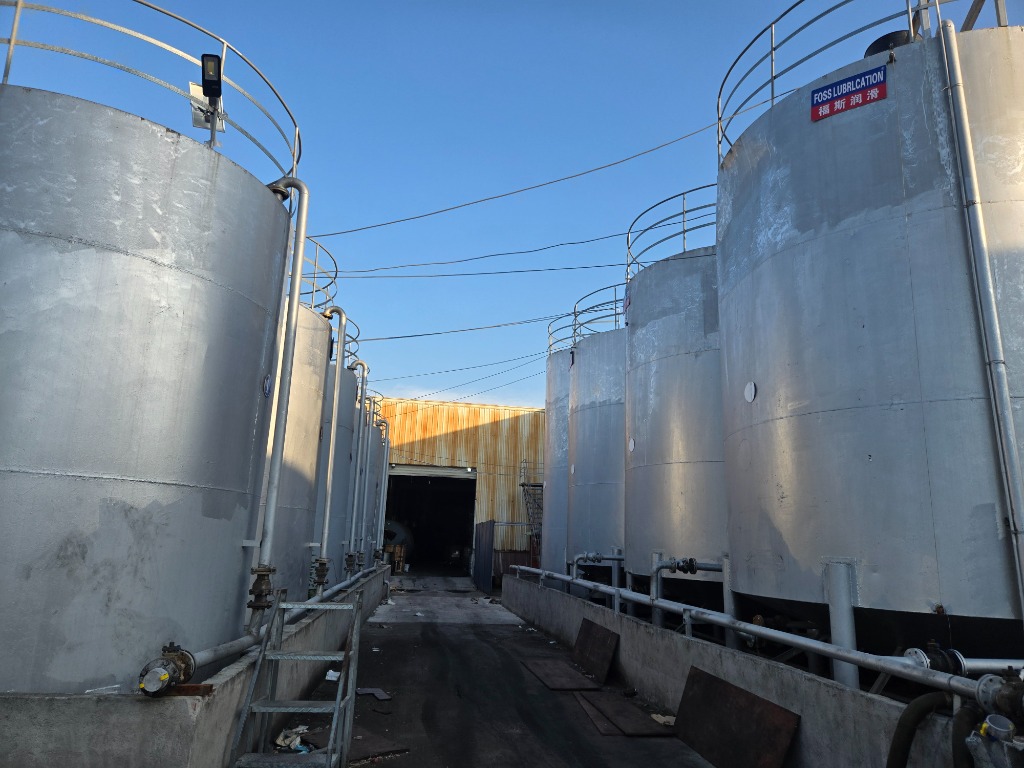
7. Chemical Additive Precursor Index: Tribological Package Cost Surcharges
Beyond base oil feedstock dynamics, high-performance industrial lubricants rely on complex tribological additive chemistry comprising 0.8% to 4.5% of total formulation weight. Upstream chemical synthesis plants (Lubrizol, Afton, Infineum, Chevron Oronite, and leading domestic Chinese specialty chemical synthesizers) have notified blenders of broad-spectrum raw material cost adjustments:
These additive cost increments are directly additive to base oil inflation. For high-tier hydraulic oils meeting DIN 51524-2 (HLP) and DIN 51524-3 (HVLP), as well as heavy industrial gear lubricants conforming to DIN 51517-3 (CLP), formulators cannot reduce additive treat rates without failing rigorous OEM certification testing (including Denison T6H20C hybrid pump testing, Eaton Vickers 35VQ25 vane pump tests, and FZG 12-stage scuffing tests).
8. Packaging & Industrial Container Economics: Cold-Rolled Steel Drum Cost Escalation
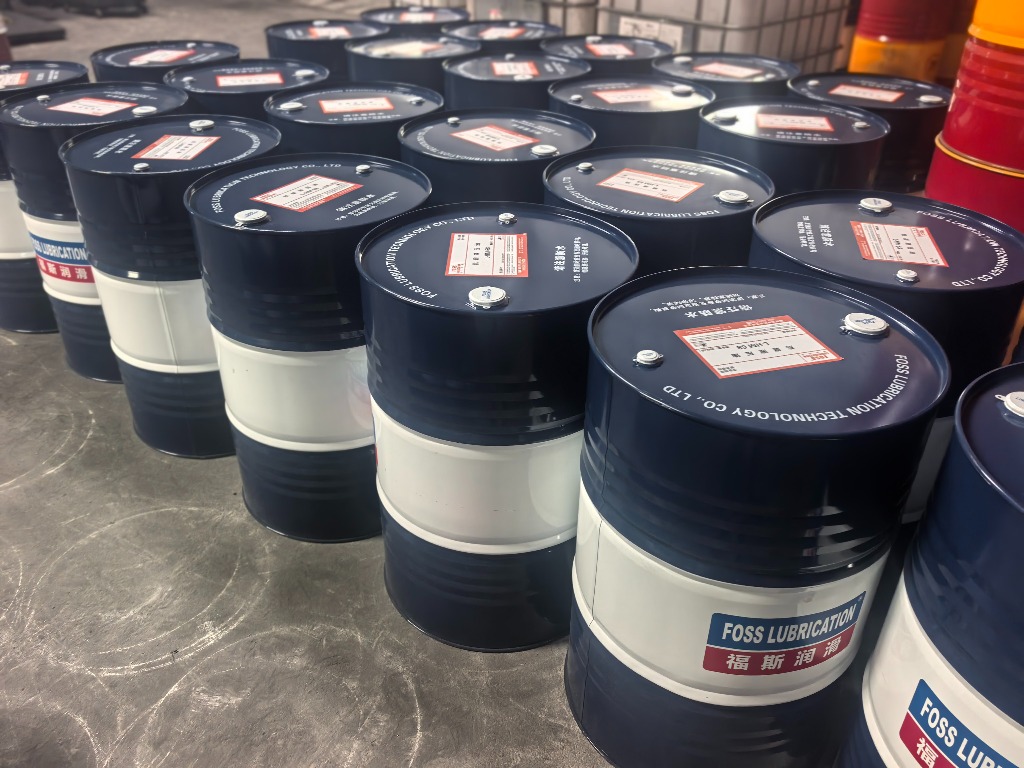
In bulk lubricant exporting, packaging represents an indispensable component of the landed unit cost. The international standard for bulk export packaging is the UN 1A1 tight-head 208-liter (55-gallon) steel drum, fabricated from cold-rolled SPCC steel sheets conforming to ISO 15750-2.
Over the past four weeks, domestic Chinese and regional steel sheet prices have experienced continuous upward momentum, driven by iron ore import pricing and blast-furnace energy surcharges. A standard export drum requires approximately 17.5 kg of prime cold-rolled steel sheet (body thickness 1.0mm, top/bottom heads 1.2mm), featuring a triple-seam crimped chime, robotic nitrogen purge, and internal phosphatized or epoxy-phenolic chemical coating.
The manufacturing cost of an empty, export-certified UN 1A1 steel drum has risen from $29.80 in early September to $31.90 per drum on October 31, 2026. For a standard 20-foot shipping container loaded with 80 drums (16,640 liters / approx. 14.5 metric tons), drum packaging alone accounts for $2,552 of direct container packaging costs. When factoring in palletization (solid fumigated heat-treated ISPM-15 wooden pallets), stretch hood wrapping, and heavy-duty steel strapping, total packaging overhead reaches approximately $2,880 per 20GP container.
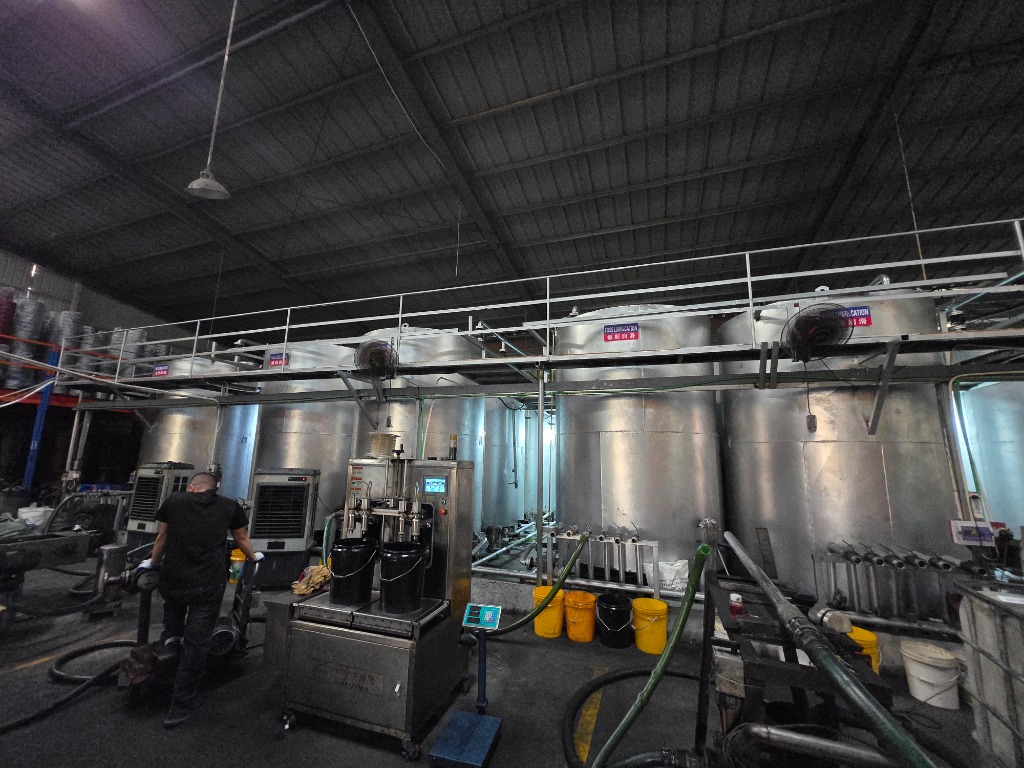
9. Authoritative 3-Day Forward Export Price Trajectory (November 1 – November 3, 2026)
Based on the mathematical convergence of prompt ICE Brent futures ($96.40/bbl), regional hydrocracker middle-distillate yield priorities, the $270/MT Group II 150N/500N spread, additive precursor index adjustments, and UN 1A1 packaging inflation, the FOSS Quantitative Energy Research Desk projects the following forward price trajectory for primary industrial product lines over the next 72 hours:
10. Technical Specification & Quality Compliance Audit: DIN 51524-2 & ISO 11158 Standards
In a volatile raw material pricing climate, procurement executives frequently face the hidden risk of specification compromise—where unscrupulous suppliers dilute base stock quality, incorporate unrefined recycled base oils, or reduce expensive additive treat rates to protect profit margins.
FOSS Lubricants maintains strict non-negotiable chemical and tribological quality gates. Every blend batch manufactured at our Quanzhou facility is subjected to rigorous bench testing in accordance with ASTM, ISO, and DIN international test standards before release:
11. Pragmatic Buyer Hedging & Procurement Directives for Q4 2026
Given the upward trajectory in global crude benchmarks, structural tightness in API Group II 500N base stocks, and persistent shipping friction around maritime chokepoints, the FOSS Market Research Desk recommends four concrete procurement strategies for international distributors, mining operators, and industrial plant managers:
Directive 1: Lock 60-Day Forward Purchase Orders with Factory Price-Gaps
Rather than purchasing on prompt spot terms subject to weekly refinery pass-throughs, enter into firm 60-day purchase orders backed by signed Proforma Invoices (PI). FOSS Lubrication provides price-lock agreements for full container loads (FCL) upon deposit confirmation, shielding buyers against expected mid-November base oil contract adjustments.
Directive 2: Optimize Viscosity Blending via Dual-Grade Purchasing
With the 150N/500N spread at $270/MT, procurement costs for heavy grades (ISO VG 68) are accelerating faster than lighter grades (ISO VG 32 and 46). Industrial operations utilizing variable-displacement pumps should audit their operating temperatures to determine whether transitioning from VG 68 to a high-VI HV 46 provides equivalent boundary lubrication while reducing bulk fluid expenditure by 4% to 7%.
Directive 3: Pre-Book Container Slots & Maximize Payload Utilization
Because maritime shipping carriers are maintaining Cape of Good Hope routing, container transit times from China to Europe or Africa require an extra 14–18 days. Orders placed today will arrive in late December or early January. Importers should book full 20GP containers loaded to maximum payload (80 steel drums / 16,640 liters floor-loaded or palletized) to minimize per-liter ocean freight amortization.
Directive 4: Direct OEM Factory Contracting Over Trading Intermediaries
Intermediary trading companies in Singapore, Dubai, and Hong Kong typically add a 12% to 18% trading margin while passing upstream refinery surcharges directly to customers. Establishing a direct supply contract with a primary manufacturer like FOSS eliminates middleman markups and guarantees batch-to-batch traceability, customized labeling, and certified laboratory CoAs with every dispatch.
12. Conclusion & Factory Contact for Direct Spot & Term Orders
The confluence of Brent testing $96.40/bbl, middle distillate crack margins at $28.40/bbl, a record $270/MT Group II base oil neutral spread, and persistent maritime logistics friction establishes a demanding commercial backdrop for the global lubricants industry. Proactive procurement planning, rigorous quality verification, and direct engagement with established primary blenders represent the only viable shield against continuous cost inflation.
Quanzhou Foss Lubrication Technology Co., Ltd. remains fully operational with dedicated bulk base oil reserves, automated blending reactors, certified testing laboratories, and priority container drayage agreements through Xiamen Port. We invite international plant directors, equipment distributors, and fleet procurement managers to contact our technical sales desk for firm proforma quotations, laboratory samples, and guaranteed fourth-quarter production slots.
Definitive 3-Day Lubricant & Base Oil Trend Forecast
Synthesized by the FOSS Quantitative Energy Modeling Desk based on active shipping line container bookings, regional tank farm draw-down rates, and prompt ICE Brent futures sentiment:
ICE Brent crude futures test $96.20–$96.85/bbl following heightened Gulf security notices; Northeast Asian merchant refiners increase prompt Group II 500N spot offers toward $1,460–$1,475/MT as Singapore middle-distillate crack margins consolidate above $28.40/bbl.
Persistent Bab el-Mandeb chokepoint circumvention via Cape of Good Hope pushes bunker adjustment factors (BAF) higher; elevated cold-rolled SPCC steel drum packaging costs ($31.90/drum) push baseline export offers for DIN 51524-2 hydraulic fluids toward $219.80/drum FOB Xiamen.
Acute hydrocracker unconverted oil (UCO) diversion and the record $270/MT Group II 150N/500N spread trigger urgent pre-procurement runs by overseas mining operators and industrial distributors, locking in guaranteed November export blending production slots.
5. Strategic Sourcing & Hedging Directives for Overseas Importers
For overseas procurement directors, fleet operators, and industrial distributors, market volatility represents both operational risk and competitive opportunity. We recommend the following three concrete actions for managing Q4 procurement:
Lock 60-Day Container Requirements
Secure firm proforma invoices (PI) with 30-day price validity. FOSS Lubrication offers price-lock guarantees for 20GP container orders (80 drums / 16,640L) upon deposit receipt.
Audit Laboratory CoA Verification
Demand full pre-shipment ASTM test parameters: kinematic viscosity at 40°C / 100°C, viscosity index ≥ 100, flash point ≥ 220°C, pour point ≤ -15°C, and zero moisture contamination.
FOSS Lubrication: Factory-Direct Precision Engineering
Operating out of Quanzhou, China, FOSS blends over 20,000 MT annually of ISO VG 32/46/68 anti-wear hydraulic oils, CK-4 heavy-duty engine oils, and industrial gear lubricants. Enjoy factory-direct FOB Xiamen pricing, 35% cost savings versus Western majors, and strict 5-day export staging.