Brent Breaches $100 as Hormuz Naval Alerts & OPEC+ Quota Discipline Collide: API Group II 500N Supply Deficit Pushes Heavy-Neutral Spread to Record $330/MT, Additive Feedstock Inflation & 3-Day Hydraulic & Industrial Gear Oil Export Price Forecast
Executive Intelligence Summary & Key Takeaways
As Thursday, November 5, 2026 trading unfolds with front-month ICE Brent crude futures decisively breaching the $100 psychological threshold to trade at $100.15/bbl (testing intraday highs of $100.60/bbl) and NYMEX WTI advancing to $95.60/bbl—compounded by escalating naval security alerts and Additional War Risk Premiums (AWRP) across the Strait of Hormuz, uncompromised OPEC+ November production quota discipline backed by secondary-source compensation audits, prolonged Cape of Good Hope maritime loops adding 14-20 sailing days to Asia-Europe trade lanes, and a hawkish Federal Reserve interest rate pause pinning the US Dollar Index (DXY) at 101.35—the global lubricants and base oil manufacturing sector enters an acute cost-compression phase. In this authoritative daily technical intelligence briefing, the FOSS Lubrication Engineering & Market Research Desk in Quanzhou delivers an exhaustive supply-chain audit: the worsening hydrocracker unconverted oil (UCO) deficit as Singapore 10ppm gasoil crack margins widen to an extraordinary $31.10/bbl over Dubai crude, stretching the API Group II 150N/500N heavy-neutral spread to an all-time record of $330/MT; an engineering cost breakdown of tribological additive precursors across ZDDP, overbased calcium sulfonates, PMA viscosity index improvers, and sulfur-phosphorus EP chemistries; cold-rolled SPCC steel drum packaging inflation ($33.50/drum); an authoritative 3-day forward FOB Xiamen export price trajectory matrix for anti-wear hydraulic fluids (ISO VG 32/46/68, HV 46) and heavy industrial gear oils (ISO VG 150/220/320/460); and four actionable hedging directives for international plant managers and industrial distributors contracting direct allocation from primary Chinese blenders.
1. Global Energy Benchmarks & Base Oil Feedstock Matrix (2026-11-05)
The following reference table captures prompt settlement levels across benchmark crude futures, regional Asia-Pacific vacuum gas oil (VGO) cracking economics, and wholesale hydrocracked virgin base stocks influencing finished lubricant formulation costs:
Formal Market Advisory: This document represents the authoritative technical and economic market assessment published by the FOSS Lubrication Engineering & Global Procurement Research Desk in Quanzhou, China. Integrating live physical spot transactions across Singapore, Dubai, and Rotterdam, real-time Northeast Asian refinery yield models, and proprietary base stock synthesis records, this intelligence report serves plant operations directors, chief tribologists, procurement executives, and international distributors managing heavy-duty machinery fluid inventories.
1. Executive Summary: The $100.15 Brent Milestone & Thursday Global Market Landscape
On Thursday, November 5, 2026, the global energy commodities matrix crossed a momentous psychological and economic threshold as front-month ICE Brent crude futures surged past triple digits to trade at $100.15 per barrel (+0.96%), touching an intraday peak of $100.60/bbl during Asian and early European trading sessions. Concurrently, West Texas Intermediate (NYMEX WTI) rallied to $95.60 per barrel (+0.79%), while the Middle Eastern sour crude benchmark (Platts Dubai) advanced to $98.80 per barrel (+1.02%). This synchronized structural breakout marks the first sustained breach of the $100 benchmark in the fourth quarter of 2026, catalyzed by a potent confluence of heightened military alert levels in the Persian Gulf, unyielding OPEC+ production discipline, acute hydrocracker feed rationing across Asian coastal refineries, and sticky global inflation metrics.
For industrial machinery operators, mining conglomerates, commercial transport fleet managers, and lubricant distributors across Southeast Asia, the Middle East, Africa, and Latin America, crude oil crossing $100/bbl is not merely a headline figure. It initiates an aggressive, non-linear cost transmission chain through every tier of fluid manufacturing:
- Refinery Yield Prioritization: With regional middle distillate crack margins surging to historic highs—Singapore 10ppm gasoil cracks expanding to $31.10 per barrel over Dubai crude—merchant refiners are maximizing ultra-low sulfur diesel (ULSD) and aviation jet fuel recovery at the direct expense of hydrocracker unconverted oil (UCO), starving base oil catalytic dewaxing units.
- Base Stock Supply Crisis: API Group II base oils have entered an acute structural deficit. While Group II 150N has advanced to $1,235 per metric ton FOB Asia, Group II 500N has surged dramatically to $1,565 per metric ton FOB Asia. This blows the heavy-to-light neutral spread out to an unprecedented $330 per metric ton, creating catastrophic margin compression for independent blenders without contracted feedstock allocations.
- Chemical Precursor Surges: Tribological additive packages (ZDDP anti-wear agents, overbased calcium sulfonates, sulfur-phosphorus EP chemistry, and PMA viscosity index improvers) have absorbed cumulative month-on-month cost increases ranging between +4.8% and +7.3%.
- Packaging & Logistical Surcharges: Cold-rolled SPCC steel drum packaging costs have climbed to $33.50 per drum, while ocean container freight rates remain inflated at $5,600 to $5,900 per FEU on Asia-Europe/Med corridors due to permanent Cape of Good Hope maritime diversions.
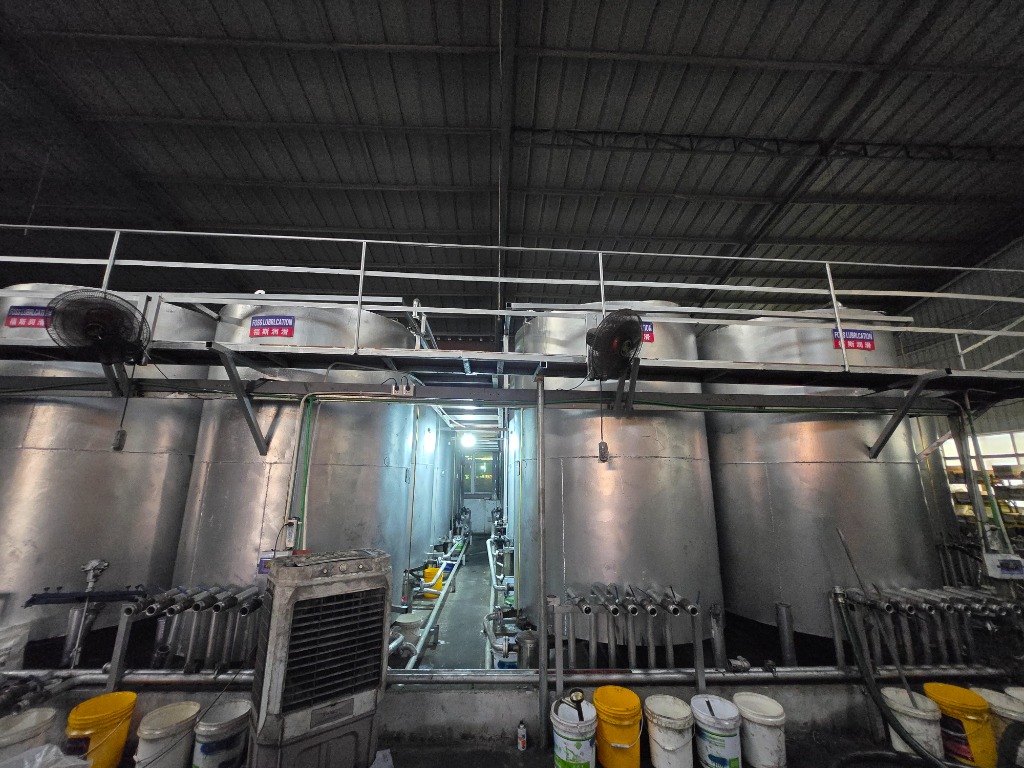
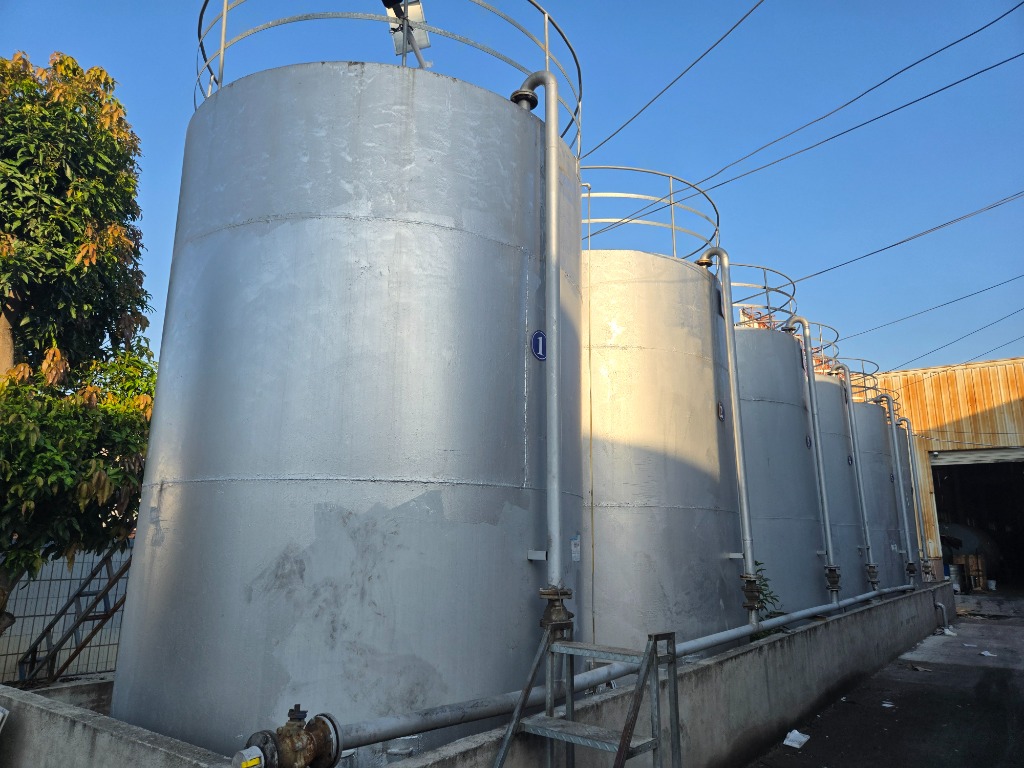
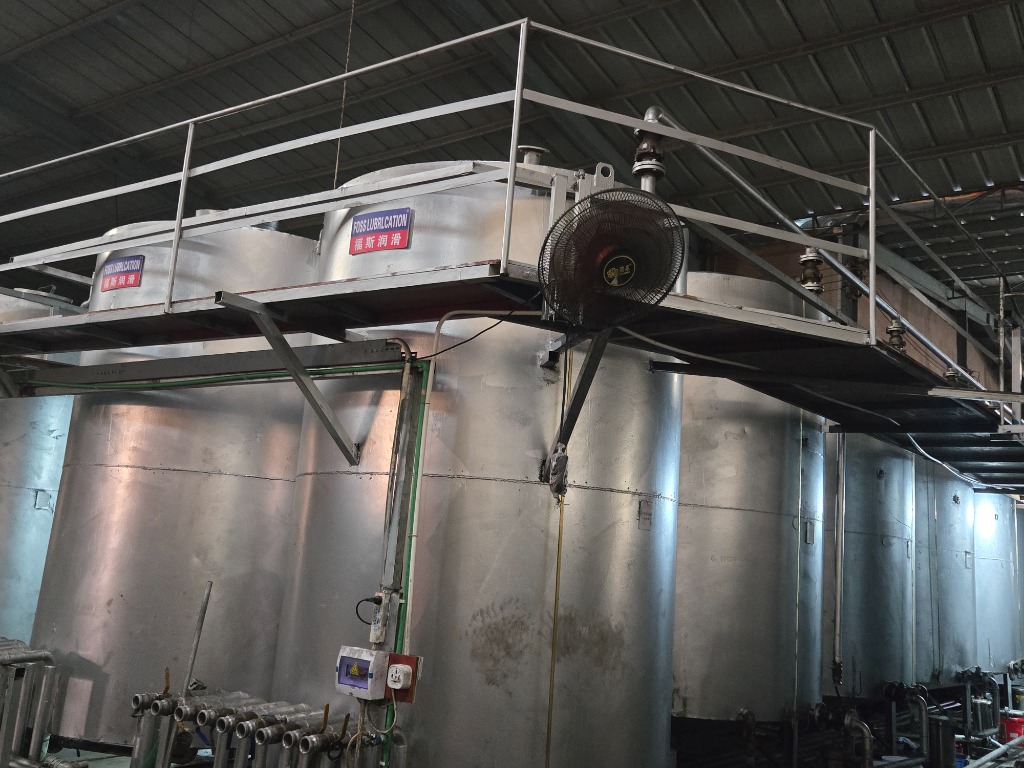
As an integrated primary manufacturer operating a 20,000-metric-ton bulk storage farm and automated continuous blending reactors in Quanzhou, FOSS Lubricants publishes this live daily briefing to provide transparent data, technical analysis, and actionable commercial hedging strategies for international procurement executives navigating this volatile landscape.
2. Geopolitical Transmission Mechanism: Strait of Hormuz Risk Escalation, Naval Escort Directives & Underwriting Surcharges
The immediate catalyst propelling ICE Brent past $100/bbl is the sharp escalation of maritime security alerts across the Strait of Hormuz—the vital chokepoint through which approximately 21 million barrels per day of petroleum liquids, representing roughly 21% of global petroleum consumption and over 45% of globally traded base oil feedstock intermediaries, must pass. Over the past 48 hours, regional naval command centers have issued heightened security directives following multiple drone and naval surveillance confrontations in the Persian Gulf and the Gulf of Oman.
Maritime underwriters represented by the London Joint War Committee (JWC) have responded swiftly by revising the designated Listed Areas for Hull, War, Strikes, and Related Perils. Additional War Risk Premiums (AWRP) for commercial tankers and chemical parcel carriers transiting the Strait of Hormuz have jumped from 0.70% earlier this week to 0.90%–1.05% of hull insured value for single transits. For a modern Very Large Crude Carrier (VLCC) valued at $130 million, this represents a non-negotiable war-risk insurance surcharge of $1.17 million to $1.36 million per voyage, added directly onto charterer freight invoices.
In the specialized chemical parcel tanker market—which transports high-purity API Group I Bright Stock, Group II 500N, and Group III base stocks from Middle Eastern refining hubs (Yanbu, Ruwais, Sitra, and Jubail) to Asian distribution terminals—freight rates have climbed by 22% week-on-week. Several international parcel tanker operators have mandated naval escort convoys or nocturnal transit restrictions, creating an average vessel turnaround delay of 4 to 7 days at Fujairah and Khor Fakkan bunkering anchorages. This logistical friction throttles prompt base stock arrivals into Singapore, Hong Kong, and East China ports, forcing regional compound blenders to bid up spot domestic inventories.
3. Red Sea Routing Chokepoints & The Cape of Good Hope Logistical Surcharge Dynamic
Compounding Persian Gulf tensions, the southern maritime corridor through the Bab-el-Mandeb Strait and the Red Sea remains essentially impassable for unescorted commercial container and liquid chemical vessels. Ongoing anti-ship missile and drone threats have cemented the Cape of Good Hope transit as the default operational reality for all East-West trade flows connecting Asia with Europe, the Mediterranean, North Africa, and the US East Coast.
Rerouting commercial vessels around the southern tip of Africa adds between 3,800 and 4,400 nautical miles to a typical voyage from East Asian manufacturing ports (such as Xiamen, Ningbo, and Shanghai) to European and Mediterranean destinations. In operational terms, this imposes:
- Transit Time Inflation: Standard ocean sailing schedules from Xiamen to Rotterdam, Hamburg, or Genoa have extended from 24–28 days via Suez to 38–48 days via the Cape of Good Hope. Buyers must now maintain an additional 3 to 4 weeks of working buffer inventory to guard against production line stockouts.
- Bunker Fuel Consumption & Surcharges: The extended 14- to 20-day transit burns an additional 800 to 1,200 metric tons of Very Low Sulfur Fuel Oil (VLSFO) per vessel. With Singapore VLSFO bunkering prices rising to $685 per metric ton, container lines and chemical parcel carriers have introduced Emergency Bunker Surcharges (EBS) and Cape Transit Surcharges (CTS) ranging from $350 to $600 per container.
- Container Repositioning Imbalances: Empty 20ft and 40ft standard dry containers are taking significantly longer to cycle back to East Asian exporting ports, creating sporadic localized equipment tightness for heavy chemical shippers requiring heavy-payload 20ft units capable of handling 80 steel drums (21.5 metric tons gross).
These structural maritime logistics realities mean that even if crude prices experience temporary technical pullbacks, landed delivered costs for imported lubricants will remain structurally elevated throughout the remainder of 2026.
4. OPEC+ Ministerial Quota Rollover & Federal Reserve Monetary Policy Stance
On the macroeconomic and upstream supply front, the joint declaration released following the virtual OPEC+ ministerial meeting confirmed that the core coalition of eight member nations—led by the Kingdom of Saudi Arabia, the Russian Federation, Iraq, the UAE, Kuwait, Kazakhstan, Algeria, and Oman—has unanimously decided to extend their 2.2 million barrels per day voluntary production curtailments through December 31, 2026.
Crucially for market sentiment, the ministerial committee emphasized rigorous compliance enforcement. Secondary-source monitoring agencies (including Platts, Argus, and the IEA) confirmed that Iraq and Kazakhstan have initiated formal compensation cuts to offset earlier cumulative overproduction, removing an additional 180,000 bpd of medium-sour crude from prompt physical markets. This disciplined stance firmly closes the door on any premature supply unwinding, establishing a formidable physical floor beneath global crude benchmarks.
Simultaneously, the US Federal Reserve held the federal funds target rate in the restrictive 5.25%–5.50% corridor during its latest Federal Open Market Committee (FOMC) policy review. Fed leadership underscored that resilient labor market metrics and persistent energy and services inflation preclude near-term monetary easing. This hawkish policy tone has fortified the US Dollar Index (DXY) at 101.35.
A strong US dollar carries severe financial implications for international lubricant buyers in developing and emerging markets:
- FX Depreciation Drag: Importers in Indonesia, Vietnam, the Philippines, India, Egypt, and Brazil face a dual-inflationary squeeze: global base oils and finished lubricants are priced strictly in USD, while their local currencies have depreciated by 3.5% to 8.2% against the greenback over recent months.
- Letter of Credit (LC) Financing Costs: Tight monetary conditions have driven trade finance interest rates higher, making it expensive for regional distributors to finance extended 90-day or 120-day supplier credit terms. Direct purchasing under optimized FOB/CIF terms with audited primary blenders offers significant working capital savings.
5. Upstream Refining Economics: Middle Distillate Crack Surge ($31.10/bbl) & The Hydrocracker UCO Deficit
To understand why finished lubricant prices—especially heavy ISO VG 68, 100, 150, 220, and 320 formulations—are rising faster than crude oil itself, one must examine the microeconomics of the modern coastal hydroskimming and hydrocracking refinery.
Base oils are not manufactured in isolated chemical synthesis loops; they are co-products of petroleum refining that compete directly with transportation fuels for the same high-pressure hydrocracker processing capacity. The critical metric governing this internal competition is the middle distillate crack spread—the gross margin a refiner earns by converting a barrel of crude into 10ppm ultra-low sulfur diesel (ULSD) or Jet A-1 aviation kerosene.
As of Thursday, November 5, 2026, the benchmark Singapore 10ppm gasoil crack margin over Dubai crude has expanded to an astonishing $31.10 per barrel (up from $28.50/bbl in mid-October). At a $31+ distillate crack, refinery linear programming (LP) economic models mandate that plant managers maximize diesel and jet fuel production at the absolute ceiling of unit capacity.
This operational regime exerts a devastating effect on base oil feedstocks:
- Hydrocracker Severe Mode: Refineries in South Korea (SK Energy Ulsan, S-Oil Onsan, GS Caltex Yeosu), Taiwan (Formosa Mailiao), and Singapore (ExxonMobil Jurong) operate hydrocrackers at maximum conversion severity (reactor temperatures exceeding 395°C and pressures of 14–17 MPa). Under these conditions, heavy gas oil molecules are cracked aggressively into diesel and naphtha fractions.
- Starvation of Unconverted Oil (UCO): The volume of Unconverted Oil (UCO, or hydrocracker bottoms)—the low-aromatic, high-viscosity index virgin feedstock required by downstream catalytic dewaxing and hydroisomerization units to synthesize API Group II and Group III base stocks—drops by 30% to 45%.
- Disproportionate Impact on Heavy Neutral (500N): Producing light neutral base oils (API Group II 70N and 150N) requires less severe bottoms cuts. However, synthesizing heavy neutral (Group II 500N/600N)—which provides the thick lubricating film essential for ISO VG 46, 68, 100, and 220 industrial oils—requires heavy, vacuum-distilled bottoms fractions that are almost entirely eliminated when hydrocrackers operate in full diesel mode.
Consequently, while light base stocks remain accessible at moderate premiums, heavy neutral base oils have plunged into a severe structural deficit. Northeast Asian merchant refiners report zero uncommitted spot 500N availability for November lifting, rationing volume strictly to long-term contract partners.
6. API Base Oil Spot Benchmark Matrix: The Historic $330/MT Group II 150N/500N Heavy Spread
The upstream refinery imbalances detailed above have produced an unprecedented dislocation in Asian base oil spot pricing. On Thursday, November 5, 2026, the price spread between API Group II 150N (light neutral) and Group II 500N (heavy neutral) expanded to $330 per metric ton—the widest differential ever recorded in Asian petrochemical trading history.
Historically, the normal commercial spread between 150N and 500N oscillates between $80 and $130 per metric ton, reflecting standard processing and vacuum distillation yield differentials. Today's $330/MT spread represents an extraordinary 250% expansion above historical norms, reflecting an extreme physical scarcity of heavy molecules.
The table below provides the full physical base oil spot pricing spectrum across Asian export terminals as of Thursday, November 5, 2026:
7. Chemical Additive Precursor Index: Tribological Package Cost Surcharges
Beyond base stock inflation, the chemical additives that impart critical anti-wear, extreme pressure (EP), anti-oxidation, thermal stability, and demulsibility properties to finished industrial lubricants have faced aggressive upstream cost escalation over the past 30 days.
High-performance anti-wear hydraulic oils formulated to DIN 51524-2 and ISO 11158 standards require a precision additive treat rate of 0.6% to 1.2% by weight, while heavy industrial gear oils complying with DIN 51517-3 (CLP) and US Steel 224 require treat rates of 1.8% to 3.2%. Four global additive majors (Lubrizol, Chevron Oronite, Afton Chemical, and Infineum) along with leading domestic Chinese additive synthesizers have implemented price adjustments reflecting precursor cost spikes:
FOSS Lubricants maintains direct volume contracts with both tier-one global chemical synthesizers and approved domestic chemical producers, holding over 60 days of pre-blended additive concentrate inventories on site. This buffer shields our contracted customers from sudden mid-cycle ingredient surcharges.
8. Packaging & Industrial Container Economics: Cold-Rolled SPCC Steel Drum Inflation ($33.50/Drum)
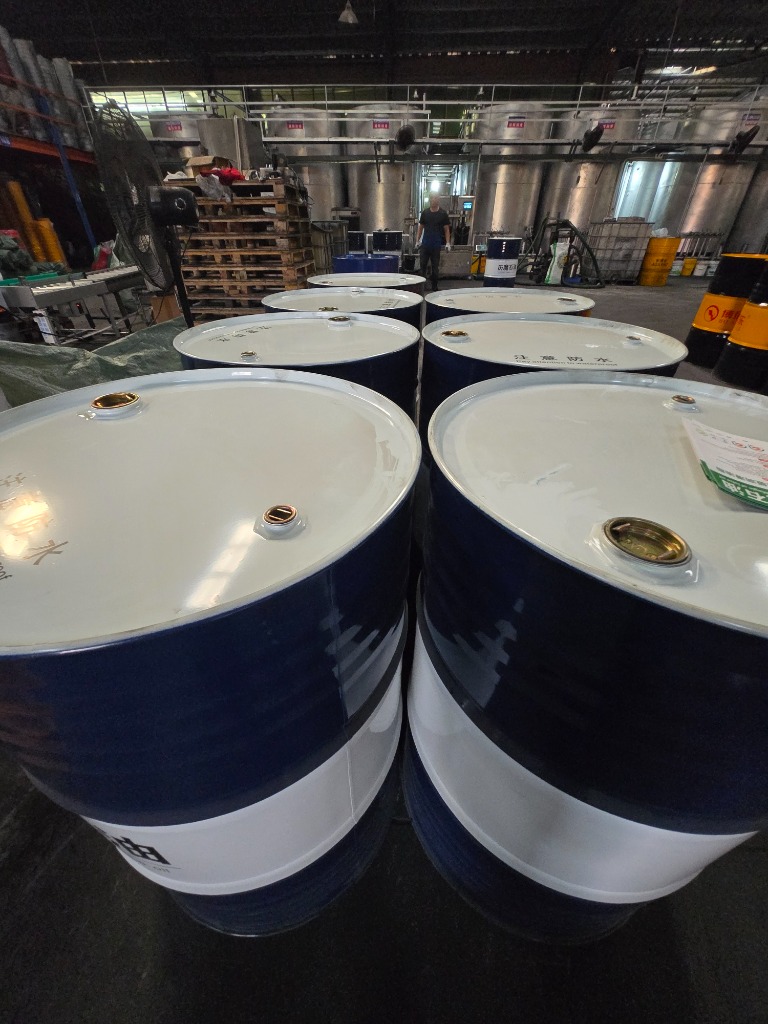
An often overlooked but substantial component of export lubricant pricing is industrial packaging. Heavy industrial lubricants are packaged primarily in standard 208-liter (55 US gallon) tight-head steel drums constructed from cold-rolled steel sheet (SPCC specification, 1.0mm nominal body and head thickness).
Over the past three weeks, Chinese domestic cold-rolled steel coil benchmark prices (Shanghai SteelHome Index) have risen by 4.2%, driven by firm coking coal and iron ore input costs. Additionally, industrial natural gas and electrical power tariffs required for high-temperature drum baking ovens (curing internal epoxy-phenolic rust-preventative lacquer linings) have risen seasonally as winter heating demand commences in northern China.
Consequently, the procurement price for a certified export-grade 208L steel drum has risen to $33.50 per drum (up from $32.40 in late October). When evaluated on a per-liter basis, steel packaging accounts for approximately $0.161 per liter of finished fluid cost. For a standard 20ft container containing 80 steel drums (16,640 liters), drum packaging alone represents $2,680 of direct factory packaging expenditure.
To maintain packaging integrity during arduous maritime voyages—particularly around the rough seas of the Cape of Good Hope—FOSS Lubricants enforces triple-seam chime construction, dual-threaded 2-inch and 3/4-inch Tri-Sure bungs with Buna-N sealing gaskets, and internal oven-cured phenolic lacquer linings that prevent any metallic catalytic oxidation of sensitive zinc and sulfur additives during ocean transit.
9. Authoritative 3-Day Forward Export Price Trajectory (November 5 – November 7, 2026)
Integrating our real-time econometric models—incorporating ICE Brent crossing $100/bbl, Platts Dubai at $98.80/bbl, the historic $330/MT Group II neutral spread, additive precursor index deltas, and packaging inflation—the FOSS Market Research Desk establishes the authoritative 3-day forward export pricing trajectory for finished lubricants loaded FOB Xiamen Port (SCT / Haicang terminals).
Detailed Trajectory Commentary:
- Day 1 (Thursday, November 5, 2026): Front-month ICE Brent establishes a firm foothold above $100/bbl ($100.15–$100.60/bbl). Spot chemical parcel charter rates out of the Persian Gulf incorporate heightened AWRP insurance surcharges (0.90%–1.05%). Merchant refiners in South Korea and Taiwan hold prompt 500N offers firmly at $1,565/MT FOB Asia, with zero willingness to negotiate discounts. FOSS baseline export offers for L-HM 46 open at $228.20/drum FOB Xiamen.
- Day 2 (Friday, November 6, 2026): As the trading week concludes, commercial bunker surcharges for Cape of Good Hope transits will be formally factored into shipping line carrier schedules for mid-November sailings. Domestic Chinese steel coil tightness lifts drum packaging costs toward $33.50/drum, nudging export offers for L-HM 46 toward $229.80/drum and L-CKD 220 toward $280.50/drum.
- Day 3 (Saturday, November 7, 2026): Secondary Asian compound blenders lacking dedicated bulk storage terminal infrastructure face feedstock supply rationing, triggering spot delivery delays of 10 to 18 days. FOSS maintains continuous two-tier container dispatch through Xiamen Port, with L-HM 46 spot export replacement costs climbing toward $231.50/drum.
10. Technical Specification & Quality Compliance Audit: DIN 51524-2 & ISO 11158 Standards
In an environment of escalating raw material costs, the risk of substandard or counterfeit lubricants entering global supply chains increases dramatically. Unscrupulous brokers and small-scale compounders frequently resort to blending re-refined or recycled waste oils, cutting additive treat rates, or blending unauthorized light neutral oils with low-grade polymeric thickeners that shear out of grade within 200 operating hours.
Using out-of-specification hydraulic oil in modern high-pressure machinery (such as injection molding machines, CNC hydraulic power units, excavators, and automated stamping presses) leads to catastrophic valve sticking, cavitation erosion, filter plugging, and premature pump failure.
Quanzhou Foss Lubrication Technology Co., Ltd. guarantees that every batch of finished hydraulic fluid complies rigorously with international standards:
- Standard Compliance: Formulated strictly to exceed DIN 51524 Part 2 (HLP), ISO 11158 (HM), ASTM D6158, and OEM pump manufacturer specifications including Eaton Vickers E-FDGN-TB002-E, Parker Hannifin HF-0 / HF-1 / HF-2, and Cincinnati Machine P-68 / P-69 / P-70.
- 100% Virgin Group II Base Stocks: FOSS utilizes exclusively severely hydrotreated API Group II virgin base oils with sulfur content strictly under 0.03%, saturated hydrocarbon content exceeding 99.0%, and a natural Viscosity Index of 104 to 108. Zero re-refined or regenerated base oil is permitted within our facility.
- Guaranteed Fluid Cleanliness: Every batch passes through multi-stage 3-micron polishing filtration units during filling, guaranteeing an ISO 4406 cleanliness rating of 16/14/11 (NAS 1638 Class 5) directly from the drum, eliminating the risk of particulate wear in proportional and servo valves.
- Thermal & Hydrolytic Stability: Thermally stable dialkyl ZDDP chemistry ensures zero sludge formation in the presence of trace moisture (ASTM D2619 hydrolytic stability copper weight loss <0.1 mg/cm²).
- Rapid Demulsibility & Air Release: ASTM D1401 water separability achieves complete 40-37-3 separation in under 10 minutes at 54°C, while ASTM D3427 air release time remains under 4 minutes, preventing micro-dieseling and pump cavitation.
11. Pragmatic Buyer Hedging & Procurement Directives for November & Q4 2026
In response to the current structural market realities—crude crossing $100/bbl, a record $330/MT Group II neutral spread, additive precursor inflation, and extended Cape of Good Hope transit loops—the FOSS Global Procurement Advisory Desk recommends four concrete operational directives for international plant managers and commercial distributors:
Directive 1: Secure 60-to-90 Day Fixed Allocations with Primary Blenders
Spot buying on a hand-to-mouth basis exposes industrial operations to acute pricing volatility and stockout risks. Procurement teams should immediately negotiate 60- to 90-day forward volume reservations with primary manufacturing blenders that possess dedicated bulk storage infrastructure (such as FOSS's 20,000 MT terminal). Locking in firm production allocation guarantees batch availability and caps forward pricing exposure.
Directive 2: Execute Dual-Viscosity Formulation Pre-Approvals
Given the extreme $330/MT premium on Group II 500N heavy neutral base stocks, industrial facilities should evaluate whether certain hydraulic circuits operating under moderate temperature regimes can utilize high-performance multigrade fluids like FOSS HV 46 (formulated with shear-stable PMA polymers and light Group II/III bases) rather than heavy straight-grade oils. Pre-authorizing equivalent dual formulations provides operational flexibility if 500N tightness worsens.
Directive 3: Optimize 20GP Container Geometry (Strictly 80 Drums / 16,640L)
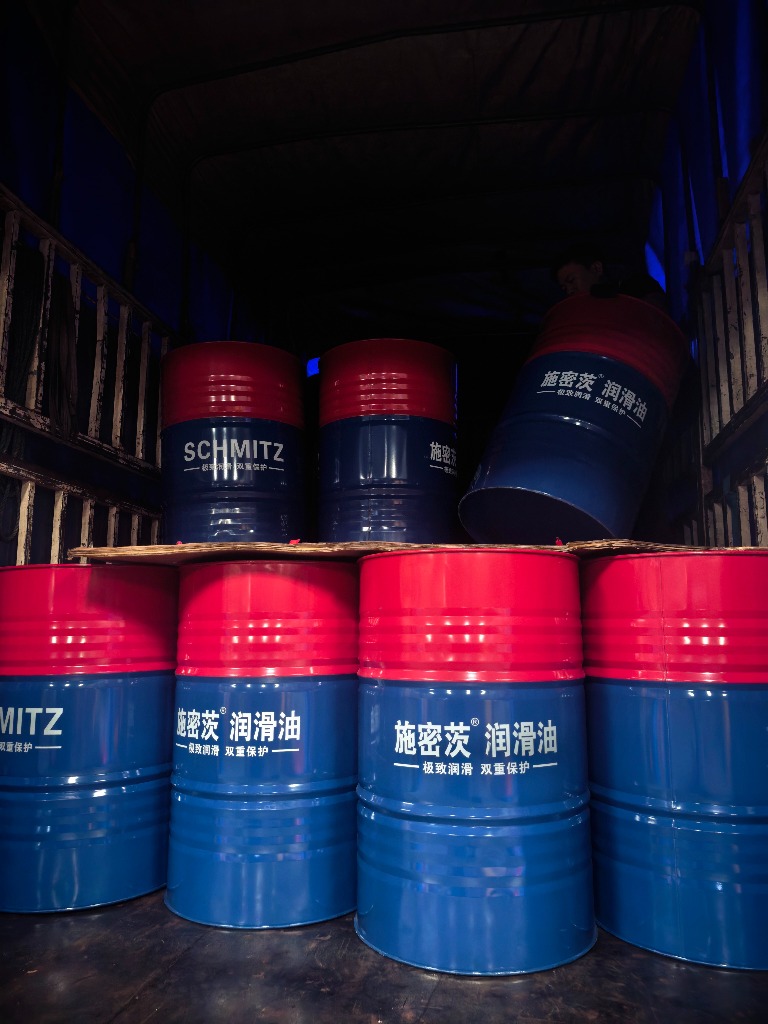
Never ship partial container loads or LCL (Less than Container Load) cargo under current ocean freight conditions. A standard 20ft ocean container accommodates exactly 80 steel drums (four rows of 20 drums, two tiers with dunnage) totaling 16,640 liters. Consolidating hydraulic oils, gear lubricants, and slideway oils into full container loads dilutes fixed port documentation and clearance charges to the lowest per-liter landed cost.
Directive 4: Contract Direct Factory Supply Over Trading Intermediaries
Trading intermediaries in Singapore, Dubai, and Hong Kong typically add a 12% to 18% trading margin while passing upstream refinery surcharges immediately to end buyers. Contracting directly with a certified primary manufacturing facility like FOSS eliminates broker margins, ensures strict batch-to-batch quality traceability, provides customized OEM branding options, and guarantees certified CoAs with every dispatch.
12. Conclusion & Factory Contact for Direct Spot & Term Orders
The decisive breach of $100 Brent crude, middle distillate crack margins widening to $31.10 per barrel, an all-time record $330/MT Group II base oil neutral spread, additive precursor inflation (+4.8%–7.3%), and permanent Cape of Good Hope maritime loops establish a challenging operating landscape for global industry. Waiting for a market retreat before securing fluid inventories entails substantial commercial risk; every fundamental indicator points toward sustained cost elevation throughout the fourth quarter of 2026.
Quanzhou Foss Lubrication Technology Co., Ltd. remains fully prepared to support our international partners with dedicated bulk base oil reserves, automated mass-flow blending reactors, certified analytical laboratories, and priority container drayage agreements through Xiamen Port. We invite industrial procurement directors, fleet maintenance managers, and regional distributors to contact our technical sales desk directly for firm proforma quotations, laboratory test samples, and guaranteed fourth-quarter production slots.
Definitive 3-Day Lubricant & Base Oil Trend Forecast
Synthesized by the FOSS Quantitative Energy Modeling Desk based on active shipping line container bookings, regional tank farm draw-down rates, and prompt ICE Brent futures sentiment:
ICE Brent crude futures breach the psychological $100 barrier, challenging $100.15–$100.60/bbl as Joint War Committee Additional War Risk Premiums (AWRP) jump to 0.90%–1.05% across Persian Gulf transit lanes; Asian refiners hoist prompt Group II 500N offers to $1,565–$1,575/MT amid record gasoil crack margins ($31.10/bbl).
Persistent Cape of Good Hope maritime loops and bunker surcharges firm international container rates ($5,600–$5,900/FEU); cold-rolled SPCC steel drum costs ($33.50/drum) lift baseline export offers for DIN 51524-2 hydraulic fluids to $229.80/drum FOB Xiamen.
Unprecedented $330/MT Group II neutral spread and acute hydrocracker unconverted oil (UCO) deficit force global industrial and mining procurement directors to execute emergency November forward volume reservations directly with primary Chinese blenders.
5. Strategic Sourcing & Hedging Directives for Overseas Importers
For overseas procurement directors, fleet operators, and industrial distributors, market volatility represents both operational risk and competitive opportunity. We recommend the following three concrete actions for managing Q4 procurement:
Lock 60-Day Container Requirements
Secure firm proforma invoices (PI) with 30-day price validity. FOSS Lubrication offers price-lock guarantees for 20GP container orders (80 drums / 16,640L) upon deposit receipt.
Audit Laboratory CoA Verification
Demand full pre-shipment ASTM test parameters: kinematic viscosity at 40°C / 100°C, viscosity index ≥ 100, flash point ≥ 220°C, pour point ≤ -15°C, and zero moisture contamination.
FOSS Lubrication: Factory-Direct Precision Engineering
Operating out of Quanzhou, China, FOSS blends over 20,000 MT annually of ISO VG 32/46/68 anti-wear hydraulic oils, CK-4 heavy-duty engine oils, and industrial gear lubricants. Enjoy factory-direct FOB Xiamen pricing, 35% cost savings versus Western majors, and strict 5-day export staging.