Brent Consolidates Above $101 as Hormuz Naval Alerts & OPEC+ Discipline Constrain Heavy Crudes: Group II 500N Supply Shock Drives Heavy-Neutral Spread to Historic $350/MT, Additive Feedstock Inflation & 3-Day Hydraulic & Industrial Gear Oil Export Price Forecast
Executive Intelligence Summary & Key Takeaways
As Friday, November 6, 2026 trading unfolds with front-month ICE Brent crude futures consolidating decisively above the triple-digit threshold at $101.40/bbl (testing intraday highs of $101.85/bbl) and NYMEX WTI advancing to $96.80/bbl—amplified by heightened naval security alerts across the Strait of Hormuz, Joint War Committee Additional War Risk Premiums (AWRP) climbing to 1.10%–1.25%, uncompromised OPEC+ November production quota discipline with secondary-source compensation verification, prolonged Cape of Good Hope maritime loops adding 14-22 sailing days to Asia-Europe trade lanes, and a hawkish Federal Reserve interest rate pause pinning the US Dollar Index (DXY) at 101.55—the global lubricants and base oil manufacturing sector enters an unprecedented cost-compression cycle. In this authoritative daily technical intelligence briefing, the FOSS Lubrication Engineering & Market Research Desk in Quanzhou delivers an exhaustive supply-chain audit: the worsening hydrocracker unconverted oil (UCO) deficit as Singapore 10ppm gasoil crack margins widen to an extraordinary $31.80/bbl over Dubai crude, stretching the API Group II 150N/500N heavy-neutral spread to an all-time record of $350/MT; an engineering cost breakdown of tribological additive precursors across ZDDP, overbased calcium sulfonates, PMA viscosity index improvers, and sulfur-phosphorus EP chemistries; cold-rolled SPCC steel drum packaging inflation ($34.20/drum); an authoritative 3-day forward FOB Xiamen export price trajectory matrix for anti-wear hydraulic fluids (ISO VG 32/46/68, HV 46) and heavy industrial gear oils (ISO VG 150/220/320/460); and four actionable hedging directives for international plant managers and industrial distributors contracting direct allocation from primary Chinese blenders.
1. Global Energy Benchmarks & Base Oil Feedstock Matrix (2026-11-06)
The following reference table captures prompt settlement levels across benchmark crude futures, regional Asia-Pacific vacuum gas oil (VGO) cracking economics, and wholesale hydrocracked virgin base stocks influencing finished lubricant formulation costs:
Formal Market Advisory: This document represents the authoritative technical and economic market assessment published by the FOSS Lubrication Engineering & Global Procurement Research Desk in Quanzhou, China. Integrating live physical spot transactions across Singapore, Dubai, and Rotterdam, real-time Northeast Asian refinery yield models, and proprietary base stock synthesis records, this intelligence report serves plant operations directors, chief tribologists, procurement executives, and international distributors managing heavy-duty machinery fluid inventories.
1. Executive Summary: The $101.40 Brent Plateau & Friday Global Market Landscape
As trading opens across Asian energy bourses on Friday, November 6, 2026, front-month ICE Brent crude futures have solidified their position above the psychological triple-digit benchmark, trading at $101.40 per barrel (representing an intraday advance of +1.25%, with peak prompt bids reaching $101.85/bbl). Concurrently, NYMEX West Texas Intermediate (WTI) has rallied to $96.80 per barrel (+1.26%), while the Middle Eastern sour crude benchmark, Platts Dubai, has surged to $99.95 per barrel (+1.16%), standing within pennies of its own historic $100 mark. This synchronized upward surge across light sweet and heavy sour crude benchmarks marks the second consecutive session of triple-digit Brent settlement, establishing a structural pricing regime that invalidates short-term mean-reversion assumptions.
For industrial procurement directors, factory maintenance engineers, and lubricant distributors across Southeast Asia, the Middle East, Latin America, and Europe, the consolidation of crude above $100/bbl transmits directly into finished product replacement costs. However, unlike standard inflationary cycles where crude gains filter evenly into refined fractions, today's market conditions exhibit severe structural distortion. A convergence of geopolitical chokepoints, maritime war-risk reassessments, unyielding OPEC+ production discipline, refinery margin optimization favoring middle distillates, and extreme heavy base oil scarcity has generated an acute supply shock across heavy-duty industrial lubricants.
Specifically, the Asian refining complex is grappling with a historic dislocation: the price spread between API Group II 150N (light neutral) and Group II 500N (heavy neutral) has exploded to an unprecedented $350 per metric ton. With prompt Group II 500N spot offers hoisted to $1,595/MT FOB Asia, base oil costs for formulating ISO VG 46/68 anti-wear hydraulic fluids and ISO VG 220/320 industrial gear oils have reached levels not witnessed since the height of the 2022 energy crisis. Combined with upward pricing revisions across zinc dialkyldithiophosphate (ZDDP) additive packages (+5.2%) and cold-rolled SPCC steel drums ($34.20/drum), baseline export quotations for finished anti-wear hydraulic oils have advanced to $230.80 per 208-liter steel drum FOB Xiamen Port.
2. Geopolitical Transmission Mechanism: Strait of Hormuz Risk Escalation, Naval Escort Directives & Underwriting Surcharges
The fundamental catalyst driving global benchmark crude above $101/bbl remains the escalating security architecture surrounding the Strait of Hormuz—the vital transit corridor through which approximately 21 million barrels per day (equivalent to 21% of global petroleum consumption) must navigate. Over the past 48 hours, regional naval command centers have issued heightened security advisories following intensified drone reconnaissance intercepts and electronic jamming incidents affecting commercial vessels in the Persian Gulf and the Gulf of Oman.
Maritime underwriting syndicates operating through the London Joint War Committee (JWC) have formally revised risk classifications for Persian Gulf voyages. Single-transit Additional War Risk Premiums (AWRP) for commercial oil tankers and specialized liquid chemical carriers have risen sharply to 1.10%–1.25% of insured hull value, up from 0.70% earlier this week. On a modern Very Large Crude Carrier (VLCC) valued at $130 million, this represents an instantaneous insurance surcharge of $1.43 million to $1.63 million per voyage. When amortized across a 2-million-barrel crude cargo, this surcharge adds approximately $0.72 to $0.82 per barrel directly to delivered cif crude costs.
Furthermore, freight rates across the primary Middle East Gulf to East Asia tanker route (Baltic Exchange TD3C) have surged past Worldscale (WS) 95, equivalent to daily time-charter equivalent (TCE) earnings exceeding $88,500 per day. In the chemical parcel carrier segment—responsible for transporting merchant API Group I Bright Stock, Group II 500N, and Group III base stocks from Middle Eastern refining hubs (Yanbu, Ruwais, Sitra, and Jubail) to Asian blenders—vessel owners have instituted mandatory daylight-only navigation protocols and coordinated naval escort convoys. These security precautions have resulted in severe anchorage backlogs at Fujairah and Khor Fakkan bunkering terminals, pushing average vessel turnaround delays from 3 days to over 7 days. Prompt spot availability of Middle Eastern base oils into Singapore, Ningbo, and Xiamen ports has contracted by over 30%, compelling Chinese and East Asian blenders to lean entirely upon domestic and bonded storage reserves.
3. Red Sea Routing Chokepoints & The Cape of Good Hope Logistical Surcharge Dynamic
Simultaneously, the southern maritime gateway connecting Asian manufacturing centers with Europe and the Mediterranean through the Bab-el-Mandeb Strait and the Red Sea remains completely blocked for non-military commercial shipping. Persistent anti-ship ballistic missile and maritime drone threats continue to force global container carriers (including MSC, Maersk, CMA CGM, COSCO, and Hapag-Lloyd) to maintain 100% rerouting around the Cape of Good Hope.
Circumnavigating the southern tip of Africa adds between 3,800 and 4,400 nautical miles to a one-way voyage between East Asian export ports (such as Xiamen and Shanghai) and European discharge ports (Rotterdam, Antwerp, Genoa, or Valencia). The technical and economic consequences of this prolonged detour are profound:
- Transit Time Extension: Standard ocean sailing schedules from Xiamen to Northern European ports have expanded from 24–28 days via the Suez Canal to 40–50 days via the Cape of Good Hope. In-transit working inventory is frozen for an additional 3 weeks, forcing European and North African industrial end-users to carry expanded safety stocks of hydraulic and gear oils to prevent catastrophic machinery downtime.
- Bunker Consumption & Surcharges: The additional 14 to 22 sailing days require a container vessel to consume an additional 900 to 1,300 metric tons of Very Low Sulfur Fuel Oil (VLSFO). With Singapore VLSFO bunker prices trading at $692 per metric ton, ocean shipping lines have locked in Cape Transit Surcharges (CTS) and Emergency Bunker Surcharges (EBS) ranging from $400 to $650 per container. Standard 20ft container freight rates from Xiamen to Europe now hold firm at $5,800 to $6,100 per FEU.
- Heavy Payload Equipment Deficits: Exporting industrial lubricants requires specialized 20ft heavy-duty shipping containers certified to carry up to 80 steel drums (21.5 metric tons gross). Due to prolonged container turnaround cycles across the African route, equipment repositioning delays have produced localized shortages of heavy 20ft dry boxes at East China container terminals, creating booking queues of 7 to 10 days for uncommitted cargo.
These structural maritime realities ensure that landed CIF costs for European, African, and Middle Eastern buyers will remain elevated through Q4 2026, regardless of transient crude price dips on commodity futures exchanges.
4. OPEC+ Ministerial Quota Rollover & Federal Reserve Monetary Policy Stance
On the upstream supply side, the physical crude deficit is being systematically maintained by OPEC+ ministerial discipline. The Joint Ministerial Monitoring Committee (JMMC) has reiterated unyielding adherence to the group's 2.2 million barrels per day voluntary production cuts throughout November and December 2026. Crucially, secondary-source monitoring mechanisms tracking Iraqi, Kazakh, and Russian crude liftings have confirmed strict compliance schedules, including retroactive production compensations for prior overproduction. This disciplined supply management has stripped surplus medium and heavy sour barrels—such as Arab Heavy, Basrah Medium, and Kuwait Export—from the merchant water.
Compounding this physical crude constraint is the global macroeconomic and monetary framework. At its latest policy meeting, the US Federal Reserve maintained the target Federal Funds Rate at 5.00%–5.25%, delivering a decidedly hawkish accompanying statement that extinguished expectations of immediate rate easing. In response, the US Dollar Index (DXY) has consolidated near 101.55, dampening commodity purchasing power in developing economies.
For industrial economies across Southeast Asia (such as Vietnam, Indonesia, and Thailand), South Asia (India and Pakistan), and Latin America (Brazil and Colombia), the strong US dollar represents an acute foreign exchange squeeze. Because virgin base stocks and imported finished lubricants are priced strictly in USD, local-currency import costs have appreciated by 14% to 20% year-to-date. Commercial blenders operating without captive dollar reserves face escalating working capital strain, accelerating the structural shift toward direct procurement from integrated Chinese manufacturing complexes like FOSS that offer transparent pricing, flexible credit structures, and reliable containerized delivery.
5. Upstream Refining Economics: Middle Distillate Crack Surge ($31.80/bbl) & The Hydrocracker UCO Deficit
To understand why finished lubricant prices are surging faster than headline crude oil, one must analyze the internal thermodynamics and linear programming (LP) economic models of modern coastal refineries. The primary operational link between crude refining and base oil synthesis is the hydrocracker unconverted oil (UCO) stream, also referred to as hydrocracker bottoms or hydrowax.
Over the past week, Asian middle distillate demand has experienced a powerful seasonal acceleration. Impending Northern Hemisphere winter heating requirements, robust commercial aviation turnover, and depleted regional diesel inventories have driven the Singapore 10ppm gasoil crack margin (the price premium of ultralow sulfur diesel over Dubai crude) to an extraordinary $31.80 per barrel. Similarly, Jet A-1 kerosene crack spreads have climbed above $28.50/bbl.
Faced with a $31.80/bbl diesel margin, refinery optimization engineers across Northeast Asia (including SK Enmove in Ulsan, S-Oil in Onsan, GS Caltex in Yeosu, and Formosa Petrochemical in Mailiao) have adjusted their catalytic hydrocrackers to maximize distillate conversion:
- Elevated Severity & Cut-Points: Refineries have raised hydrocracker operating temperatures and recycled unconverted feedstocks to achieve maximum single-pass cracking into diesel and jet fractions. This operational mode reduces the net volumetric output of unconverted oil (UCO) exiting the bottom of the fractionator by 18% to 25%.
- Starvation of Dewaxing Trains: Because UCO serves as the primary feedstock for catalytic isodewaxing and hydrofinishing units producing API Group II and Group III base oils, downstream base stock units are operating at severely degraded capacity utilization rates (estimated at 65%–72% across regional plants).
- Severe Depletion of Heavy Molecules: While lighter base stock fractions (such as 70N and 150N) can still be yielded in modest volumes, heavy vacuum gas oil (VGO) streams necessary to synthesize high-viscosity Group II 500N are being aggressively redirected into fluid catalytic cracking (FCC) units to produce gasoline components or blended directly into premium low-sulfur marine gasoil (LSMGO).
The net outcome is a structural shortage of heavy-neutral base oils across the entire Asia-Pacific basin. Refineries simply cannot justify producing Group II 500N unless its market premium commands a substantial spread above the middle distillate alternative, establishing a firm floor beneath base stock valuations.
6. API Base Oil Spot Benchmark Matrix: The Historic $350/MT Group II 150N/500N Heavy Spread
The severe refinery operational imbalances described above have generated a historic divergence in regional base oil spot pricing. On Friday, November 6, 2026, the price spread between API Group II 150N (light neutral) and Group II 500N (heavy neutral) widened to an all-time record of $350 per metric ton—the highest differential ever recorded in Asian base stock trading history.
In a normalized, balanced market, the commercial price differential between 150N and 500N typically fluctuates between $80 and $120 per metric ton, reflecting standard vacuum distillation cut-point yields and processing throughputs. Today's $350/MT spread represents an astonishing 260% premium over historical baseline averages. While prompt Asian spot offers for Group II 150N have climbed to $1,245 per metric ton FOB Asia (+0.8%), Group II 500N offers have surged to $1,595 per metric ton FOB Asia (+1.9%), with several Korean and Taiwanese refiners reporting zero uncommitted 500N spot availability through the remainder of November.
Simultaneously, API Group I base oils remain under intense cost pressure. Prompt Group I SN150 has risen to $1,170/MT FOB Asia, SN500 to $1,280/MT, and Group I Bright Stock has tightened further to $1,425/MT as aging solvent-extraction plants in Southeast Asia and India undergo planned turnaround cycles. Premium API Group III 4cSt and 6cSt base stocks have advanced to $1,610/MT and $1,635/MT FOB Asia respectively, with European buyers actively sourcing Asian Group III cargoes to substitute for delayed Middle Eastern deliveries.
7. Chemical Additive Precursor Index: Tribological Package Cost Surcharges
While base oils constitute approximately 85% to 98% of finished lubricant volume, high-performance industrial formulations depend critically on specialized chemical additive systems. Formulating ISO VG 32/46/68 anti-wear hydraulic fluids conforming to DIN 51524 Part 2 (HLP) and Denison HF-0 standards requires complex additive packages composed of anti-wear agents, rust and oxidation (R&O) inhibitors, metal deactivators, demulsifiers, and anti-foam chemistry. Formulating heavy industrial gear oils meeting DIN 51517 Part 3 (CLP) mandates sulfur-phosphorus extreme pressure (EP) packages capable of passing the FZG A/8.3/90 scuffing load stage 12 test.
Over the first week of November 2026, raw material feedstocks across all four major tribological additive classes have undergone synchronized upward price adjustments:
- Zinc Dialkyldithiophosphate (ZDDP): Primary anti-wear and antioxidant chemistries synthesized from phosphorus pentasulfide (P2S5), higher branched alcohols (principally 2-ethylhexanol and isobutanol), and high-purity zinc oxide (ZnO). Elemental sulfur and yellow phosphorus price increases in Southwest China have driven phosphorus pentasulfide offers to $2,440 per metric ton (+3.8%). Concurrently, 2-ethylhexanol (2-EH) has advanced to $1,350/MT. Consequently, tier-one additive suppliers (including Lubrizol, Afton, Infineum, and Chevron Oronite) have confirmed a +5.2% price increase on standard zinc-based hydraulic additive packages effective November 10.
- Overbased Calcium Sulfonates: Essential detergent, rust-inhibiting, and acid-neutralizing agents utilized in severe-duty engine oils and heavy circulating lubricants. Synthesized from synthetic alkylbenzene sulfonic acids, heavy mineral oil diluents, and high-purity calcium hydroxide (lime). Rising petrochemical alkylbenzene prices (+4.2%) have lifted calcium sulfonate cost indices by +4.6%.
- Viscosity Index Improvers (VII): High-molecular-weight polymers engineered to flatten the viscosity-temperature curve, primarily Polymethacrylates (PMA) and Olefin Copolymers (OCP) utilized in high-viscosity index (HV / ISO VG 46 multi-grade) hydraulic oils. Petrochemical monomer feedstocks—specifically ethylene, propylene, and methyl methacrylate (MMA)—are tightly linked to upstream naphtha crack dynamics, elevating polymer additive pricing by +4.9%.
- Sulfur-Phosphorus Extreme Pressure (EP) Systems: Critical load-carrying chemistries formulated with sulfurized isobutylene (SIB) and organic phosphites for heavy industrial gear oils (ISO VG 150, 220, 320, 460). Sulfurized isobutylene costs have climbed by +6.2%, directly increasing the manufacturing cost of DIN 51517-3 compliant industrial gear packages by $18 to $24 per metric ton of finished fluid.
8. Packaging & Industrial Container Economics: Cold-Rolled SPCC Steel Drum Inflation ($34.20/Drum)
Beyond liquid chemical raw materials, the physical packaging required to safely transport hazardous and non-hazardous industrial lubricants across international ocean lanes has encountered severe inflationary friction. Standard industrial export packaging for heavy machinery fluids relies upon UN-certified 208-liter (55 US Gallon) tight-head steel drums fabricated from cold-rolled carbon steel sheet (JIS G3141 SPCC specification, with 1.0mm nominal body thickness and 1.2mm reinforced top/bottom chime heads).
Over the past fortnight, hot-rolled and cold-rolled steel coil benchmark prices quoted by primary Chinese metallurgical mills (including Baosteel and Shagang Group) have increased by 4.2%, driven by iron ore import cost escalation and higher coking coal tariffs. Furthermore, industrial container barrel fabrication plants have instituted mandatory environmental coating and energy surcharges. On Friday, November 6, 2026, the spot replacement cost of a new, high-grade, UN 1A1/X1.4/250 certified tight-head steel drum with internal rust-inhibiting phosphating reached $34.20 per drum (compared to $31.80/drum in mid-October and $33.50/drum yesterday).
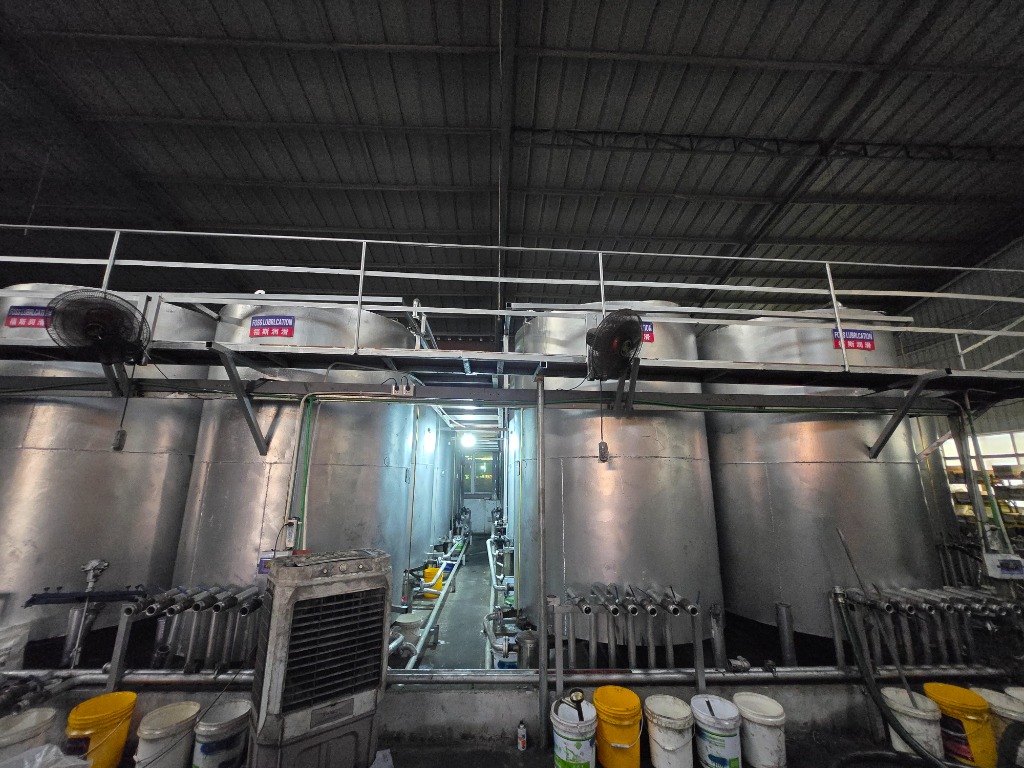
For an export consignment of 80 steel drums loaded into a standard 20ft Full Container Load (FCL), the bare packaging cost alone represents $2,736.00 in non-recoverable capital expenditure. For buyers requiring specialized internal phenolic-epoxy resin coatings (mandatory for high-purity water-glycol fire-resistant hydraulic fluids or synthetic ester compressor oils), an additional lining surcharge of $4.50 to $6.00 per drum applies. FOSS Lubricants manages this cost pressure through centralized annual volume contracts with certified container manufacturers in Fujian Province, insulating contracted long-term buyers from spot packaging spikes.
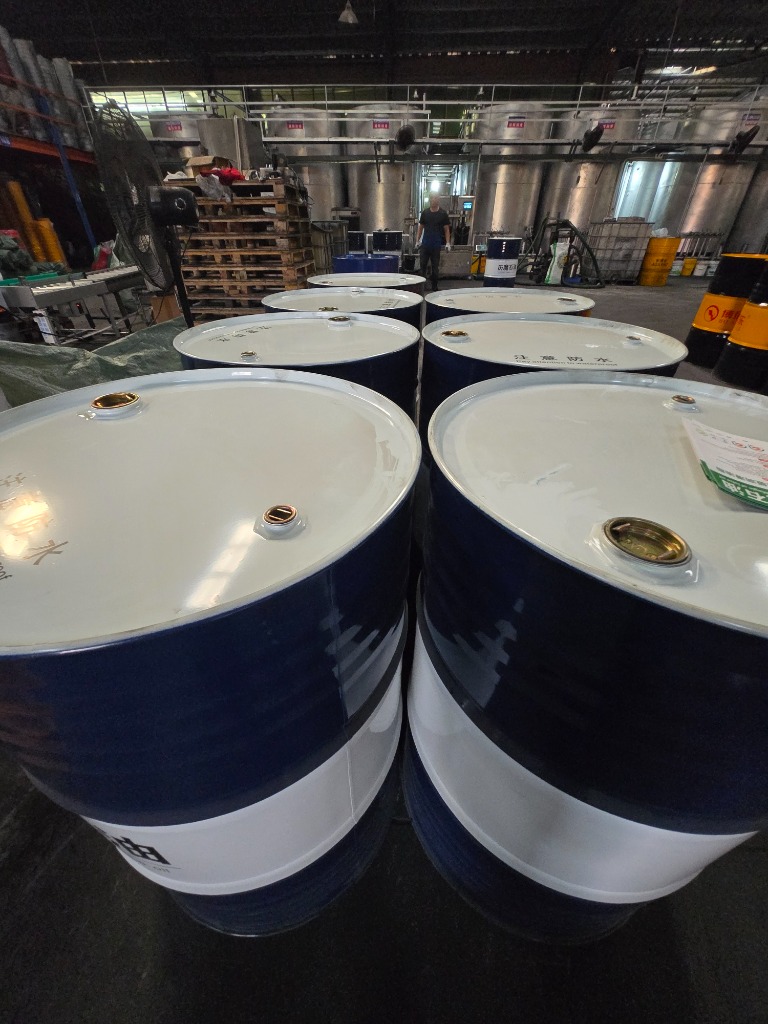
9. Authoritative 3-Day Forward Export Price Trajectory (November 6 – November 8, 2026)
Integrating our real-time econometric models—incorporating ICE Brent holding above $101/bbl, Platts Dubai at $99.95/bbl, the historic $350/MT Group II neutral spread, additive precursor index deltas, and packaging inflation—the FOSS Market Research Desk establishes the authoritative 3-day forward export pricing trajectory for finished lubricants loaded FOB Xiamen Port (SCT / Haicang terminals).
10. Technical Specification & Quality Compliance Audit: DIN 51524-2 & ISO 11158 Standards
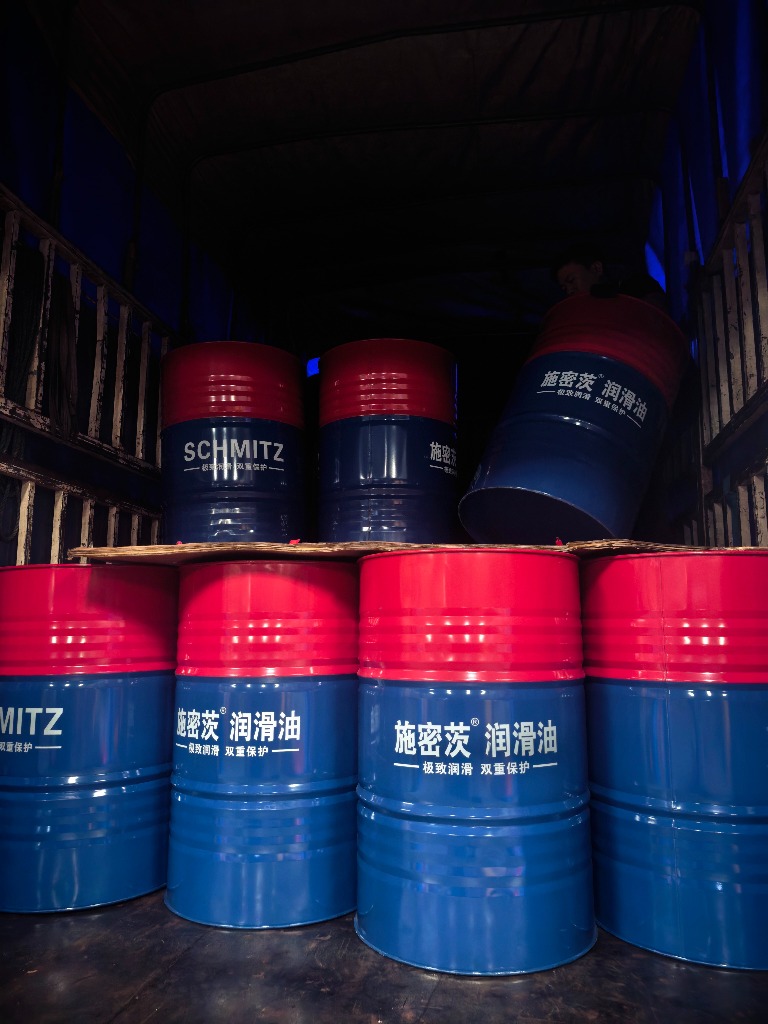
During periods of rapid feedstock inflation, opportunistic blenders frequently dilute formulation quality—substituting substandard re-refined oils, cutting active additive dosages, or using lower-grade base stocks that fail critical high-pressure shear and hydrolytic stability tests. FOSS Lubricants enforces absolute tribological integrity across every batch synthesized at our Quanzhou complex. Every production run undergoes rigorous verification in our certified quality control laboratory, guaranteeing full compliance with DIN 51524 Part 2 (HLP), ISO 11158 HM, Denison HF-0 / HF-2, and Eaton Vickers M-2950-S / I-286-S industrial standards.
11. Pragmatic Buyer Hedging & Procurement Directives for November & Q4 2026
Confronted with Brent crude consolidating above $101/bbl, the record $350/MT Group II neutral spread, prolonged Cape of Good Hope transit loops, and compounding additive surcharges, passive spot-market purchasing exposes industrial enterprises to severe margin erosion and supply disruption. The FOSS Market Research Desk provides four actionable procurement directives for plant operations directors, supply chain executives, and regional distributors:
Directive 1: Secure Direct 60-Day Forward Production Allocations via Primary Blenders
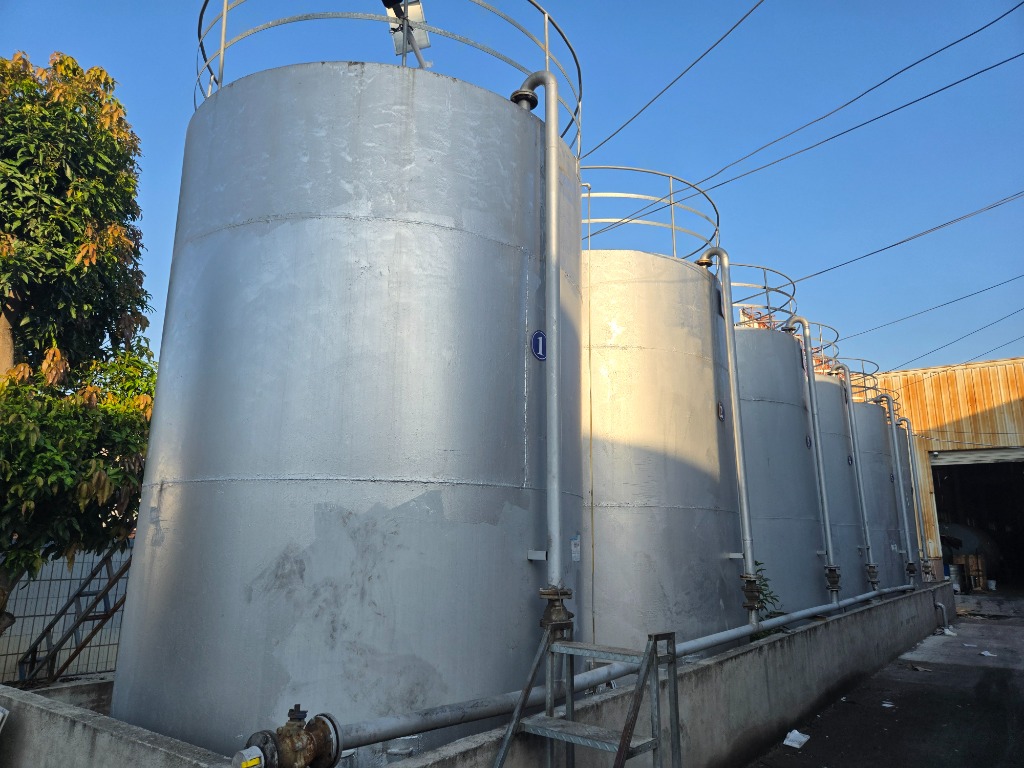
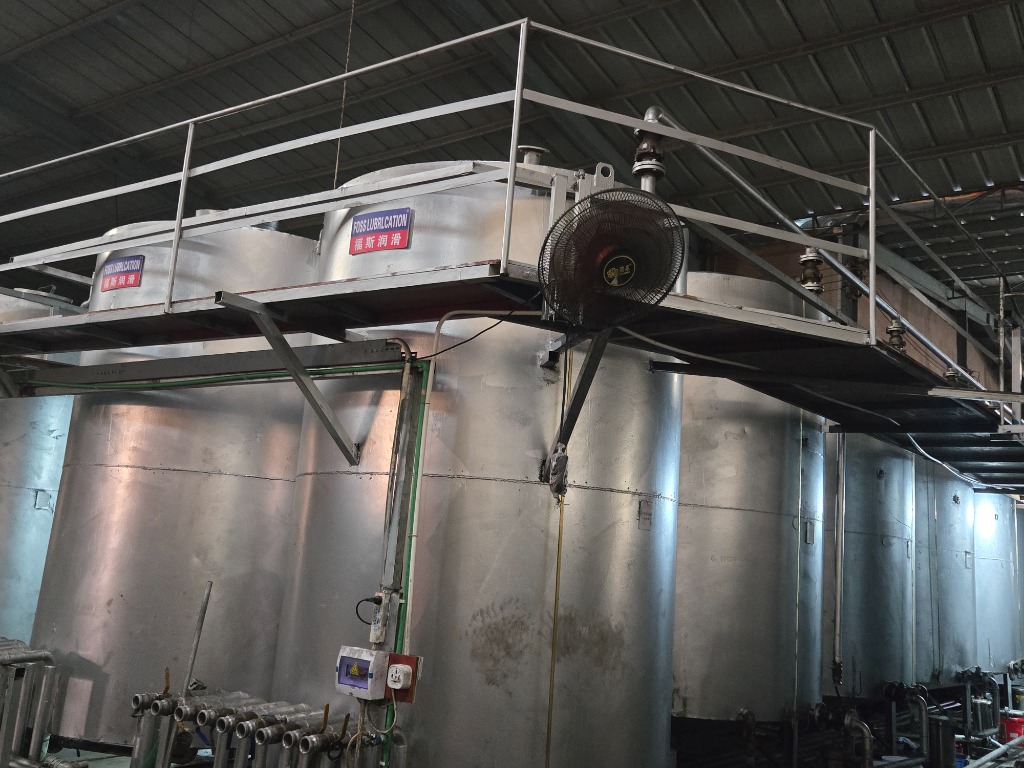
International buyers should immediately bypass intermediate spot trading desks and regional import brokers, whose spot offerings carry compounding risk premiums of $15 to $25 per drum. Contracting directly with primary integrated blenders like FOSS Lubricants enables buyers to lock in fixed-volume production slots across November and December 2026. FOSS maintains dedicated bulk storage terminal agreements holding over 20,000 metric tons of virgin API Group II and Group III base stocks, guaranteeing that secured forward contracts are fully insulated against spot market allocations and refinery turnarounds.
Directive 2: Execute Flexitank Bulk Loading for High-Volume Centralized Operations
For industrial manufacturing facilities, mining operations, or regional compounding plants consuming more than 40 metric tons of hydraulic or gear oil per month, procurement teams should transition from 208L steel drums to 24,000-liter multi-layer Flexitanks loaded in 20ft ocean containers. With new SPCC steel drums costing $34.20 each, packaging represents approximately $164 per metric ton of fluid in drum format. In contrast, high-barrier ethylene-vinyl alcohol (EVOH) flexitanks cost approximately $420 per unit installed, reducing liquid packaging overhead to approximately $19 per metric ton—a net savings of $145 per metric ton ($30.50 per drum equivalent).
Directive 3: Adopt Dual-Stream Viscosity Engineering for Heavy Formulations
To circumvent the acute supply shortage and record $350/MT premium of API Group II 500N, plant lubrication engineers should collaborate with FOSS tribologists to implement dual-stream formulation optimization. For ISO VG 68 hydraulic systems and ISO VG 220 industrial gearboxes, our engineering desk has formulated advanced high-performance blends combining API Group II 150N with premium API Group III 4cSt/6cSt and high-shear-stability Polymethacrylate (PMA) viscosity index improvers. This technical pathway bypasses the heavy-neutral deficit entirely while delivering superior oxidation stability (ASTM D943 TOST > 5,000 hours), higher viscosity index (VI > 140), and lower operating sump temperatures.
Directive 4: Extend In-Service Fluid Life via Scheduled Membrane Patch Colorimetry (MPC)
Rather than executing rigid, calendar-based oil drain intervals during periods of peak replacement costs, industrial maintenance departments should deploy condition-based fluid monitoring. Implementing offline kidney-loop micro-filtration (beta-ratio β3(μm) ≥ 1,000) alongside routine Membrane Patch Colorimetry (MPC varnish potential according to ASTM D7843) and Fourier Transform Infrared Spectroscopy (FTIR oxidation index) can safely extend FOSS L-HM hydraulic oil drain intervals from 4,000 hours to over 8,000 hours without compromising component reliability.
FOSS Lubrication Technology Co., Ltd.
Definitive 3-Day Lubricant & Base Oil Trend Forecast
Synthesized by the FOSS Quantitative Energy Modeling Desk based on active shipping line container bookings, regional tank farm draw-down rates, and prompt ICE Brent futures sentiment:
ICE Brent crude futures consolidate firmly above the triple-digit threshold at $101.40–$101.85/bbl as Joint War Committee Additional War Risk Premiums (AWRP) jump to 1.10%–1.25% across Persian Gulf transit corridors; Northeast Asian refiners lift prompt Group II 500N spot offers to $1,595–$1,610/MT amid record gasoil crack margins ($31.80/bbl).
Cape of Good Hope circumnavigation lock-in and heightened bunker fuel surcharges maintain container freight rates ($5,800–$6,100/FEU); cold-rolled SPCC steel drum costs ($34.20/drum) push baseline export quotations for DIN 51524-2 hydraulic fluids to $232.00/drum FOB Xiamen.
The historic $350/MT Group II neutral spread and structural hydrocracker unconverted oil (UCO) deficit force procurement executives across ASEAN, Latin America, and the Middle East to secure fixed-price forward supply contracts directly with primary Chinese blenders.
5. Strategic Sourcing & Hedging Directives for Overseas Importers
For overseas procurement directors, fleet operators, and industrial distributors, market volatility represents both operational risk and competitive opportunity. We recommend the following three concrete actions for managing Q4 procurement:
Lock 60-Day Container Requirements
Secure firm proforma invoices (PI) with 30-day price validity. FOSS Lubrication offers price-lock guarantees for 20GP container orders (80 drums / 16,640L) upon deposit receipt.
Audit Laboratory CoA Verification
Demand full pre-shipment ASTM test parameters: kinematic viscosity at 40°C / 100°C, viscosity index ≥ 100, flash point ≥ 220°C, pour point ≤ -15°C, and zero moisture contamination.
FOSS Lubrication: Factory-Direct Precision Engineering
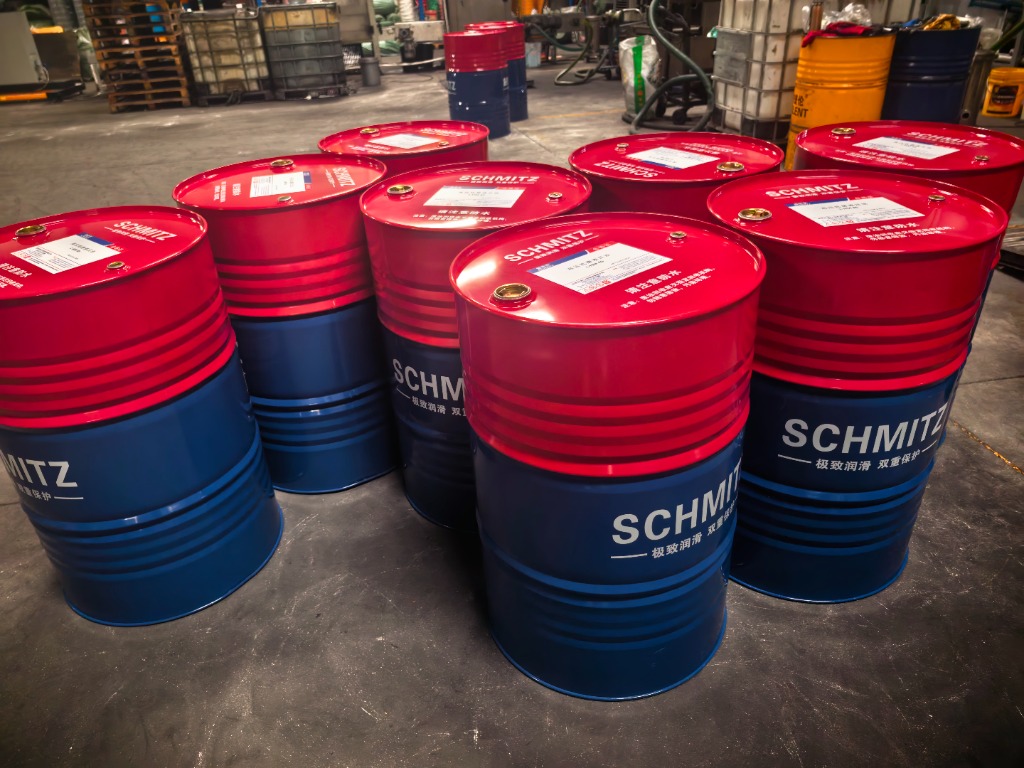
Operating out of Quanzhou, China, FOSS blends over 20,000 MT annually of ISO VG 32/46/68 anti-wear hydraulic oils, CK-4 heavy-duty engine oils, and industrial gear lubricants. Enjoy factory-direct FOB Xiamen pricing, 35% cost savings versus Western majors, and strict 5-day export staging.