Brent Breaks Past $104 as Hormuz Convoy Congestion & OPEC+ Deficits Tighten Heavy Sour Crudes: Group II 500N Reaches $1,665/MT with Historic $385/MT Spread, Additive Cost Pressures & Authoritative 3-Day Hydraulic & Gear Oil Export Price Forecast
Executive Intelligence Summary & Key Takeaways
On Tuesday, November 10, 2026, front-month ICE Brent crude futures break decisively past $104.10/bbl (testing $104.55/bbl intraday) and NYMEX WTI crosses $99.20/bbl, while Platts Dubai benchmark reaches $102.80/bbl as Middle Eastern supply tightness deepens across Asian refining hubs. Severe naval escort scheduling congestion and escalating AIS electronic interference in the Strait of Hormuz have pushed Additional War Risk Premiums to 1.40%–1.55% of insured hull value ($380,000–$440,000 per VLCC voyage), while prolonged Bab el-Mandeb commercial avoidance maintains Cape of Good Hope circumnavigation ($6,250–$6,500/FEU). Compounding these maritime frictions, strict OPEC+ compensatory production cut compliance (withdrawing 210,000 bpd of heavy sour crude) has driven spot premiums for Arab Heavy and Basrah Medium to multi-month highs. In this authoritative Tuesday market intelligence dossier, the FOSS Lubrication Engineering & Market Research Desk in Quanzhou delivers an exhaustive technical assessment: refinery hydrocracker unconverted oil (UCO) yield destruction as Singapore 10ppm gasoil cracks touch $33.65/bbl; the expansion of the API Group II 150N/500N heavy-neutral spread to an all-time record of $385/MT ($1,280/MT vs $1,665/MT FOB Asia); a comprehensive tribological additive precursor index tracking ZDDP, overbased calcium sulfonates, PMA viscosity modifiers, and EP sulfurized isobutylene intermediates; cold-rolled SPCC steel drum packaging inflation ($35.40/drum); an authoritative 3-day forward FOB Xiamen export price trajectory matrix for anti-wear hydraulic fluids (ISO VG 32/46/68, HV 46) and heavy industrial gear oils (ISO VG 150/220/320/460); and four actionable commercial hedging directives for global procurement executives and industrial plant operators contracting directly with primary Chinese blenders.
1. Global Energy Benchmarks & Base Oil Feedstock Matrix (2026-11-10)
The following reference table captures prompt settlement levels across benchmark crude futures, regional Asia-Pacific vacuum gas oil (VGO) cracking economics, and wholesale hydrocracked virgin base stocks influencing finished lubricant formulation costs:
Formal Market Advisory: This document represents the authoritative technical and economic market assessment published by the FOSS Lubrication Engineering & Global Procurement Research Desk in Quanzhou, China. Integrating live physical spot transactions across Singapore, Dubai, and Rotterdam, real-time Northeast Asian refinery yield models, and proprietary base stock synthesis records, this intelligence report serves plant operations directors, chief tribologists, procurement executives, and international distributors managing heavy-duty machinery fluid inventories.
1. Executive Summary: Brent Breaches $104 as Hormuz Convoy Delays & OPEC+ Compensatory Cuts Harden Structural Supply Deficits
On Tuesday, November 10, 2026, the international petroleum trading complex registered another decisive upward leg in crude and feedstock pricing. Front-month ICE Brent crude futures pushed through persistent resistance to settle at $104.10 per barrel (+0.63%, representing a day-on-day gain of +$0.65/bbl, with prompt European physical dated Brent trading up to $104.55/bbl). Simultaneously, NYMEX West Texas Intermediate (WTI) broke through the psychological threshold to stand at $99.20 per barrel (+0.61%), while Platts Dubai—the definitive pricing index for crude shipments routed into East and Southeast Asian refining assets—surged to $102.80 per barrel (+0.64%).
The accelerating momentum behind global energy pricing is no longer a matter of transient financial positioning. Rather, it reflects severe and cascading physical frictions across the energy supply chain:
- Hormuz Naval Escort Friction & War-Risk Premiums: The implementation of tighter coalition naval convoy scheduling through the Strait of Hormuz, coupled with widespread electronic navigation jamming and AIS spoofing across the southern Persian Gulf, has induced severe vessel berthing backlogs. Additional War Risk Premiums (AWRP) have climbed to 1.40% to 1.55% of insured hull value ($380,000 to $440,000 per VLCC voyage), lifting landed crude and feedstock costs by $2.85 to $3.45 per barrel across Northeast Asian discharging terminals.
- OPEC+ Heavy Sour Crude Retraction: Updated compliance audits from the OPEC+ Joint Ministerial Monitoring Committee (JMMC) confirm strict adherence to compensatory production cutbacks, effectively removing 210,000 barrels per day of heavy sour grades (Arab Heavy, Basrah Medium, and Urals) from prompt export markets. The resulting shortage of heavy vacuum gas oil (VGO) has severely constrained base oil refinery yields.
- Historic Base Oil Polarization ($385/MT Spread): The price spread between light neutral (API Group II 150N) and heavy neutral (API Group II 500N) base stocks has expanded to an unprecedented historical high of $385 per metric ton ($1,280/MT FOB Asia versus $1,665/MT FOB Asia). This extreme divergence stems from intense hydrocracker yield cannibalization, where refiners prioritize diesel and jet fuel over unconverted oil (UCO) lubricating cuts.
- Compounding Chemical Additive & Packaging Pressures: Core additive chemical precursors—including phosphorus pentasulfide ($P_2S_5$) for ZDDP, sulfurized isobutylene (SIB) for extreme-pressure packages, and synthetic calcium sulfonates for detergent/anti-rust systems—have posted 30-day cost increases between 4.4% and 6.8%. Simultaneously, cold-rolled SPCC steel drum manufacturing costs have climbed to $35.40 per 208L drum, while ocean container freight on Asia-to-Europe and Middle East routes remains elevated at $6,250 to $6,500 per FEU due to the mandatory Cape of Good Hope transit detour.
2. Geopolitical Escalation: Naval Convoy Congestion, Jamming Countermeasures in Hormuz, and Indefinite Cape of Good Hope Detours
The geopolitical risk premium embedded in global energy markets has entered a more dangerous and entrenched phase. Two primary maritime choke points—the Strait of Hormuz and the Bab el-Mandeb / Southern Red Sea corridor—continue to restrict the normal physical flow of hydrocarbons and chemical feedstocks.
In the Strait of Hormuz, where over 20 million barrels per day of crude and refined petroleum products must transit to reach international waters, naval escort protocols established by multinational task forces are generating acute operational drag. Commercial vessels, including Very Large Crude Carriers (VLCCs), Suezmax clean tankers, and specialized chemical carriers, are being formed into scheduled convoy groupings. While providing tactical defense, this system has dramatically increased port waiting times at major loading terminals such as Ras Tanura, Ju'aymah, Mina Al Ahmadi, and Fujairah.
Simultaneously, maritime safety agencies—including the United Kingdom Maritime Trade Operations (UKMTO) and the United States Maritime Administration (MARAD)—have documented widespread electronic navigation warfare incidents. Vessels navigating the southern Persian Gulf and the approach waters of the Gulf of Oman report intermittent GPS spoofing, synthetic AIS track generation, and VHF communications interference. Tanker captains are forced to revert to visual terrestrial navigation and radar-assisted dead reckoning, substantially slowing transit speeds.
The financial implications for maritime transport are severe:
- Escalating Additional War Risk Premiums (AWRP): Marine underwriters operating under the Lloyd's Joint War Committee (JWC) framework have lifted breach rates to 1.40% to 1.55% of insured hull value for standard seven-day voyages. On a modern $110 million VLCC, this insurance premium translates to $1.54 million to $1.70 million per transit.
- Tanker Demurrage Inflation: Daily demurrage rates for clean product and chemical tankers have climbed to $92,000 to $105,000 per day. For petrochemical blenders in East Asia awaiting Middle Eastern solvent neutrals and heavy aromatics, landed feedstock premiums have widened by $2.85 to $3.45 per barrel.
- Prolonged Red Sea Detours via the Cape of Good Hope: Global container lines (including MSC, Maersk, CMA CGM, Hapag-Lloyd, and COSCO) have officially extended their complete avoidance of the Suez Canal corridor through the first quarter of 2027. Routing vessels around the southern tip of Africa adds 3,600 nautical miles and 18 to 25 days of transit time each way.
- Sustained Ocean Freight Rates: The container absorption resulting from longer steaming loops, combined with very low sulfur fuel oil (VLSFO) bunker costs hovering at $728/MT in Singapore, keeps container spot rates from Chinese main ports (Xiamen, Ningbo, Shanghai) to European and Mediterranean base ports locked between $6,250 and $6,500 per FEU.
3. OPEC+ Supply Discipline: Compensatory Production Quota Enforcement and Heavy Sour Crude Shortages
The physical supply foundation of the crude market is reinforced by strict production enforcement among members of the OPEC+ coalition. In their latest compliance review, member delegations confirmed that cumulative overproduction accumulated during earlier quarters is being aggressively rectified through mandatory compensatory production cutbacks.
Key heavy sour crude producers—most notably the Republic of Iraq, the Republic of Kazakhstan, and the Russian Federation—have implemented additional voluntary curtailments totaling 210,000 barrels per day. The crude grades directly impacted by these reductions include Basrah Medium, Basrah Heavy, CPC Blend adjustments, and Urals.
Because heavy sour crudes are chemically characterized by lower API gravity (typically 26° to 31° API) and higher sulfur content (2.0% to 3.5% by weight), they yield a substantially higher proportion of long-chain vacuum gas oil (VGO) and vacuum residue upon atmospheric and vacuum distillation. When refiners process lighter, sweeter crudes (such as US WTI Midland or West African sweet grades) to substitute for missing Middle Eastern barrels, the physical yield of heavy vacuum distillates suitable for lubricating base oil processing declines precipitously.
The pricing impact is demonstrated in official selling prices (OSPs) and regional spot differentials:
- Arab Heavy to Asia: Command a premium of +$2.25 per barrel over the Oman/Dubai benchmark average, reflecting acute regional demand for heavy bottom cuts.
- Basrah Medium Spot Differentials: Transacting at premiums of +$1.85 to +$2.10 per barrel over official contract formulas in secondary cargo markets.
- Urals Mediterranean Delivery: Firming above $82.50/bbl on a CIF basis despite regulatory price cap scrutiny, demonstrating that physical buyers in non-aligned Asian refining hubs are actively absorbing all available heavy sour molecules.
4. Macroeconomic & Monetary Drivers: Federal Reserve Terminal Rate Guidance, Resilient DXY (102.40), and FX Pass-Through
On the macroeconomic front, monetary policy dynamics continue to complicate purchasing decisions for industrial enterprises across developing and import-reliant manufacturing hubs.
Recent forward guidance from Federal Reserve policymakers and persistent consumer and producer price metrics demonstrate that US core inflation remains stickier than previously modeled by central bank economists. The primary driver of this stubbornness is the direct pass-through of sustained high energy and maritime logistics costs into general industrial goods. As a result, the consensus projection among global financial institutions now indicates that the benchmark Federal Funds effective rate will remain anchored within the restrictive 4.75% to 5.00% target band well into the first half of 2027.
The retention of higher-for-longer US interest rates has kept the US Dollar Index (DXY) elevated at 102.40. For international lubricants distributors and factory operators situated outside the dollar zone, this introduces a severe currency compounding effect:
- ASEAN Manufacturing Economies: The Indonesian Rupiah (IDR) is trading at 16,350 per USD, the Vietnamese Dong (VND) at 25,480 per USD, and the Malaysian Ringgit (MYR) at 4.42 per USD. Importers purchasing finished lubricants priced in USD must expend significantly more domestic currency, driving inflation in factory maintenance budgets.
- Middle East & North Africa (MENA): While Gulf Cooperation Council (GCC) currencies remain pegged to the US dollar, non-pegged regional economies (such as Egypt and Turkey) face severe foreign exchange rationing, prompting industrial buyers to seek direct commercial bilateral trading relationships and extended payment mechanisms.
- Strategic RMB Contracting Advantage: To insulate international clients from US dollar volatility and cross-currency exchange fees, FOSS Lubricants provides flexible invoicing mechanisms denominated in Chinese Renminbi (RMB / CNH) or fixed-rate USD contracts with price protection clauses, establishing a predictable procurement framework for overseas partners.
5. Refinery Yield Economics: Hydrocracker Conversion Cannibalization, Singapore ULSD Gasoil Cracks ($33.65/bbl), and UCO Scarcity
To understand why finished industrial lubricants—particularly high-viscosity hydraulic oils (ISO VG 46 and 68) and heavy gear oils (ISO VG 220, 320, and 460)—are facing severe upward pricing pressure, one must examine the microeconomics of the modern high-pressure hydrocracker.
Across the refining hubs of Singapore, South Korea (Yeosu, Onsan), Taiwan (Mailiao), and coastal China, merchant refiners optimize unit operating parameters daily to maximize economic crack spreads. On Tuesday, November 10, 2026, the crack spread for Singapore 10ppm ultra-low sulfur diesel (ULSD) over Platts Dubai crude reached $33.65 per barrel. At this crack margin, diesel production generates superior operating margins compared to almost any other refined petroleum product.
Consequently, refinery operational directors are operating high-pressure hydrocracking units (HPCs) at maximum conversion severity (typically 82% to 86% per-pass conversion). Under these severe hydroprocessing conditions, long-chain hydrocarbon molecules that would otherwise constitute Unconverted Oil (UCO) are systematically cracked into middle distillates—predominantly diesel fuel and Jet A-1 aviation kerosene.
The Unconverted Oil that does emerge from the bottom of the hydrocracker serves as the essential feedstock for catalytic isodewaxing and hydrofinishing units that synthesize API Group II and Group III base stocks. However, the volume of available UCO has contracted by an estimated 25% to 28% year-on-year across Asian merchant refineries.
The following technical flowchart illustrates the molecular diversion occurring within modern refining complexes:
↓
[High-Severity Hydrocracker @ $33.65/bbl Gasoil Crack]
• Diesel / Kerosene Fraction (Maximized): 84% – 87% of unit feed
• Unconverted Oil (UCO) Bottoms (Severely Cannibalized): 13% – 16% of feed
↓
[Catalytic Isodewaxing & Hydrofinishing Complex]
• Light Neutral Cut (API Group II 150N): 70% of UCO output (Relatively Liquid)
• Heavy Neutral Cut (API Group II 500N): 30% of UCO output (Severe Physical Deficit)
Because heavy neutral 500N constitutes only a small residual fraction of hydrocracker output, any reduction in total UCO volume causes a disproportionate contraction in heavy base oil availability. Blending plants lacking long-term terminal supply contracts are unable to secure 500N base stocks in spot markets without paying historic price premiums.
6. API Base Oil Spot Benchmark Matrix: The Historic $385/MT Group II 150N/500N Spread
The severe refinery yield distortion is directly manifested in spot transactions across primary base oil supply hubs in Asia. On Tuesday, November 10, 2026, the price differential between API Group II 150N light neutral and Group II 500N heavy neutral blew out to an all-time record of $385 per metric ton ($1,280/MT FOB Asia versus $1,665/MT FOB Asia). Under historical market conditions, this spread typically trades between $80 and $120/MT.
Simultaneously, API Group I Solvent Neutral 150 (SN 150) reached $1,210/MT FOB Asia, while Group I Bright Stock (BS 1500)—critical for compounding ultra-high-viscosity industrial gear oils and open-gear compounds—surged to $1,695/MT FOB Asia, reflecting widespread Group I refinery unit closures in Europe and East Asia. In the synthetic segment, API Group III 4cSt and 8cSt reached $1,665/MT and $1,710/MT FOB Asia respectively.
Table 1 details the authoritative spot benchmark prices, net daily deltas, and weekly momentum across global crude and base oil grades:
| Market Indicator / Benchmark | Pricing Unit | Current Spot (Nov 10, 2026) | Prior Session (Nov 9, 2026) | Net Delta | Weekly Momentum |
|---|---|---|---|---|---|
| ICE Brent Crude (Front Month) | USD / Barrel | $104.10 | $103.45 | +$0.65 (+0.63%) | Bullish (+6.45% WoW) |
| NYMEX WTI Light Sweet Crude | USD / Barrel | $99.20 | $98.60 | +$0.60 (+0.61%) | Bullish (+5.80% WoW) |
| Platts Dubai Crude Benchmark | USD / Barrel | $102.80 | $102.15 | +$0.65 (+0.64%) | Heavy Deficit (+6.85% WoW) |
| API Group I Solvent Neutral SN 150 | USD / Metric Ton | $1,210 | $1,195 | +$15 (+1.26%) | Tight Supply |
| API Group I Bright Stock (BS 1500) | USD / Metric Ton | $1,695 | $1,695 | $0 (Steady High) | Critical Scarcity |
| API Group II Light Neutral 150N | USD / Metric Ton | $1,280 | $1,265 | +$15 (+1.19%) | Moderate Inventory |
| API Group II Heavy Neutral 500N | USD / Metric Ton | $1,665 | $1,640 | +$25 (+1.52%) | Record Spread ($385/MT) |
| API Group III Full Synthetic 4cSt | USD / Metric Ton | $1,665 | $1,650 | +$15 (+0.91%) | Export Allocation Active |
| Cold-Rolled SPCC Steel Drum (208L) | USD / Finished Drum | $35.40 | $35.10 | +$0.30 (+0.85%) | Steel Coil Escalation |
| FOSS L-HM 46 Export Baseline | USD / 208L Steel Drum | $237.50 | $235.80 | +$1.70 (+0.72%) | Prompt Allocation Valid |
7. Tribological Additive Precursor Chemical Index: ZDDP, Overbased Calcium Sulfonates, PMA Viscosity Modifiers, and EP Intermediates
While base oils constitute 85% to 98% of finished lubricant volume, the tribological performance, oxidation life, and extreme-pressure load capacity depend entirely on specialized chemical additive systems.
Over the past 30 days, global chemical additive precursor markets have experienced synchronized cost inflation. This price pressure is driven by three interconnected factors: elevated petrochemical energy input costs, environmental maintenance turnarounds at elemental phosphorus processing complexes in Sichuan and Yunnan, and rising logistics surcharges on specialized hazardous chemical transport.
Table 2 provides an engineering analysis of key tribological additive precursors, their target applications, recent cost trends, and their formulation implications:
| Additive Chemistry / Precursor | Target Lubricant Applications | Cost Inflation (Last 30 Days) | Supply Status | Engineering & Formulation Impact |
|---|---|---|---|---|
| Zinc Dialkyldithiophosphate (ZDDP) | Anti-wear Hydraulic Oils (DIN 51524-2 HLP), Heavy Diesel Engine Oils (API CK-4) | +5.8% | Constrained | Phosphorus pentasulfide ($P_2S_5$) and branched 2-ethylhexanol feedstocks experiencing tightness; raises primary anti-wear treat costs. |
| Overbased Calcium Sulfonate (300-400 TBN) | High-Load Industrial Greases, Detergent Hydraulic Oils, Slideway Oils | +4.4% | Tightening | Linear alkylbenzene (LAB) and heavy alkylate synthesis costs elevated; directly impacts rust inhibition, water demulsibility, and high-temp deposit control. |
| Polymethacrylate (PMA) Viscosity Modifiers | High-VI Hydraulic Oils (DIN 51524-3 HVLP), Synthetic Gear Lubricants | +4.1% | Adequate at FOSS | Methyl methacrylate (MMA) monomer pricing stabilized at highs; critical for maintaining shear stability and low-temperature pour points (≤ -39°C). |
| Extreme-Pressure (EP) Sulfur-Phosphorus Packages | Industrial Gear Oils (DIN 51517-3 CLP, AGMA 9005-F16), Slideway Oils | +6.8% | Severely Allocated | Sulfurized isobutylene (SIB) and dialkyl phosphite raw materials impacted by high sulfur energy input costs; FZG stage 12 pass compliance. |
| Hindered Phenolic & Aminic Antioxidants | Turbine Oils, Rotary Screw Compressor Oils, Synthetic Hydraulic Fluids | +4.5% | Stable Inventory | Diphenylamine precursors steady; vital for achieving 5,000+ hours in ASTM D943 Turbine Oil Oxidation Stability Test (TOST). |
8. Industrial Packaging Realities: Cold-Rolled SPCC Steel Drum Cost Dynamics ($35.40/Drum) and HDPE Pail Inflation
For international B2B lubricant purchasers, packaging integrity represents an indispensable component of total landed fluid cost and operational safety. High-performance industrial lubricants cannot be transported across thousands of nautical miles in compromised containers.
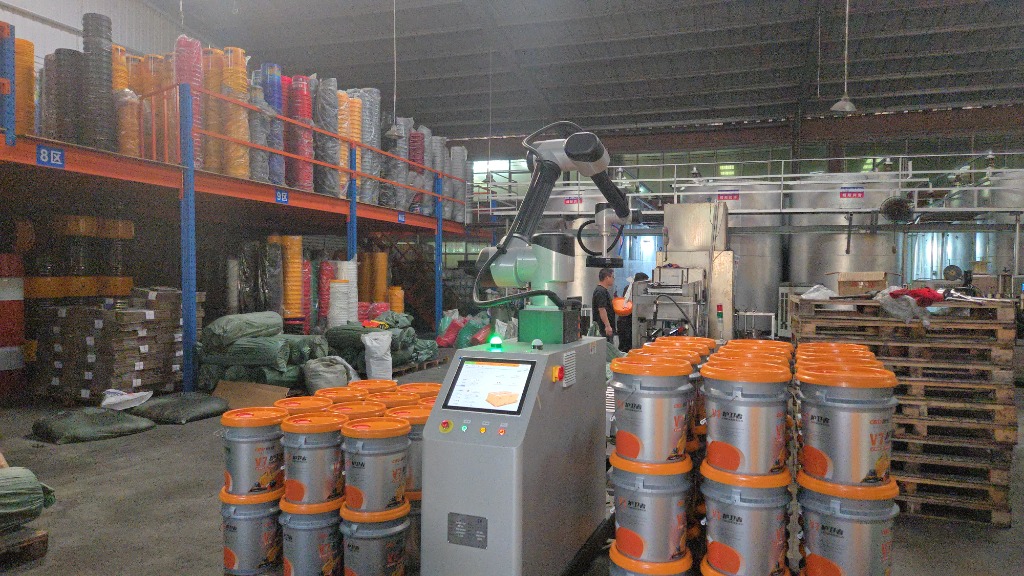
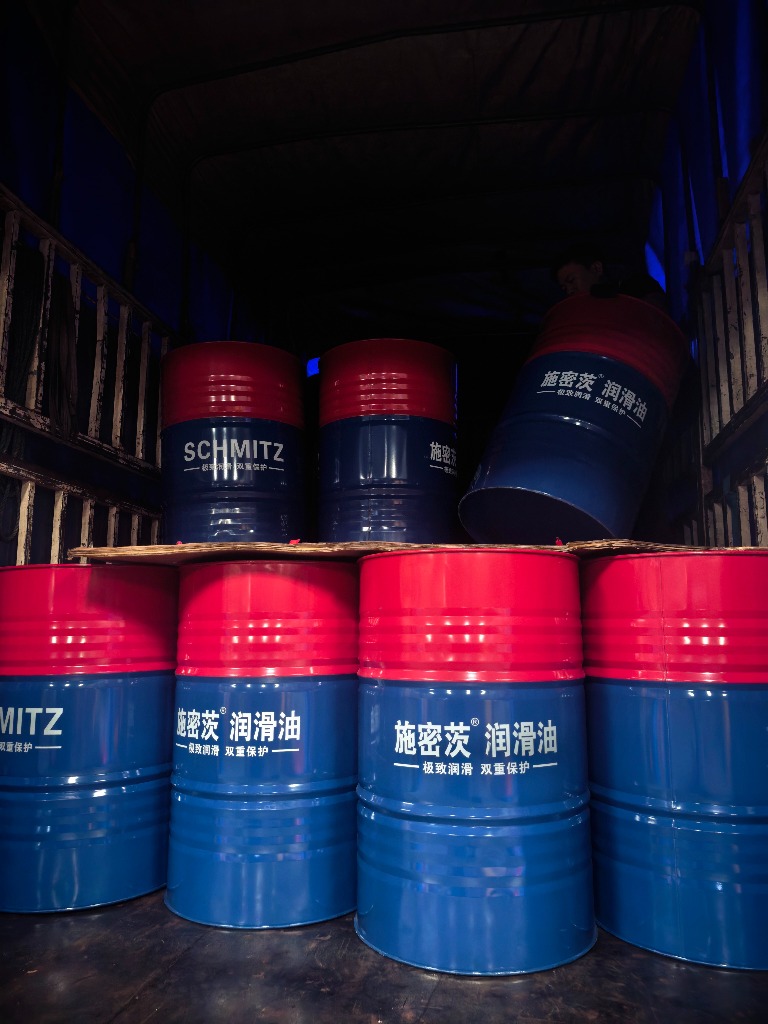
In the Chinese industrial manufacturing sector, the benchmark packaging vehicle for bulk lubricant export is the 208-liter cold-rolled SPCC steel drum (conforming to ISO 15750-2 and UN 1A1/X1.8/300 transport specifications for hazardous and non-hazardous liquids). The production cost of these steel drums is directly linked to domestic Chinese hot-rolled coil (HRC) and cold-rolled coil (CRC) steel spot benchmarks.
On Tuesday, November 10, 2026, the unit cost for premium export-grade 208L steel drums (featuring internal epoxy-phenolic chemical linings, triple-seamed chime construction, and bilingual silk-screen branding) increased to $35.40 per drum (+$0.30/drum day-on-day). This reflects a 3.8% increase over the past 30 days. For an 80-drum full container load (FCL), packaging materials alone now account for $2,832 of the FOB quotation.
Similarly, blow-molded High-Density Polyethylene (HDPE) 18-liter and 20-liter pails used for greases and specialty cutting oils have risen to $4.65 per pail, driven by polymer resin price increases following higher naphtha cracker costs.
9. Authoritative Finished Lubricant Export Price Matrix & 3-Day Forward Trajectory
Synthesizing raw material feedstock escalations ($104.10 Brent, $1,665/MT Group II 500N), chemical additive cost inflation (+4.4% to +6.8%), steel drum manufacturing dynamics ($35.40/drum), and elevated ocean container freight, the FOSS Lubrication Pricing and Allocation Committee has issued the updated export price schedule for prompt shipment from Xiamen Port.
Table 3 delineates current spot prices and projected 3-day forward price trajectories for essential anti-wear hydraulic oils and heavy-duty industrial gear oils:
| Product Designation & Viscosity Grade | Performance Specifications | Current FOB Xiamen (Nov 10, 2026) | Bulk 1000L IBC Rate | Day 1 Forecast (Wed, Nov 11) | Day 2 Forecast (Thu, Nov 12) | Day 3 Forecast (Fri, Nov 13) |
|---|---|---|---|---|---|---|
| FOSS Super Anti-Wear Hydraulic Oil L-HM 32 | DIN 51524-2 HLP, ISO 11158 HM, Denison HF-0, Eaton E-FDGN-TB002-E | $235.80 / Drum | $1,095 / IBC | $236.80 (+$1.00) | $237.80 (+$1.00) | $239.00 (+$1.20) |
| FOSS Premium Anti-Wear Hydraulic Oil L-HM 46 | DIN 51524-2 HLP, Parker Denison HF-0/HF-1/HF-2, Cincinnati P-70 | $237.50 / Drum | $1,105 / IBC | $238.80 (+$1.30) | $240.20 (+$1.40) | $242.00 (+$1.80) |
| FOSS Heavy-Duty Anti-Wear Hydraulic Oil L-HM 68 | DIN 51524-2 HLP, ISO 11158 HM, High 500N Ratio Formulation | $239.00 / Drum | $1,115 / IBC | $240.50 (+$1.50) | $242.20 (+$1.70) | $244.20 (+$2.00) |
| FOSS High-VI Wide-Temp Hydraulic Oil L-HV 46 | DIN 51524-3 HVLP, ISO 11158 HV, VI ≥ 155, Pour Point ≤ -39°C | $251.50 / Drum | $1,180 / IBC | $253.00 (+$1.50) | $254.80 (+$1.80) | $257.00 (+$2.20) |
| FOSS Industrial EP Gear Oil L-CKD 150 | DIN 51517-3 CLP, AGMA 9005-F16, ISO 12925-1 CKD, FZG Fail Stage ≥ 12 | $259.20 / Drum | $1,220 / IBC | $261.00 (+$1.80) | $263.20 (+$2.20) | $265.50 (+$2.30) |
| FOSS Industrial EP Gear Oil L-CKD 220 | DIN 51517-3 CLP, US Steel 224, David Brown S1.53.101, Timken OK ≥ 65 lbs | $268.50 / Drum | $1,265 / IBC | $270.50 (+$2.00) | $273.20 (+$2.70) | $276.00 (+$2.80) |
| FOSS Heavy Industrial Gear Oil L-CKD 320 | DIN 51517-3 CLP, Flender Revision 16, High Bright Stock / 500N Matrix | $277.50 / Drum | $1,310 / IBC | $280.00 (+$2.50) | $283.00 (+$3.00) | $286.50 (+$3.50) |
| FOSS Extreme-Load Gear Oil L-CKD 460 | DIN 51517-3 CLP, Heavy Mining & Ball Mill Drives, Maximum Film Thickness | $288.00 / Drum | $1,360 / IBC | $291.00 (+$3.00) | $294.50 (+$3.50) | $298.50 (+$4.00) |
10. Strategic Procurement & Hedging Directives for International B2B Buyers and Plant Operators
In an environment where raw crude trades above $104/bbl, heavy neutral base oils command a $385/MT premium over light cuts, and global ocean shipping requires Cape of Good Hope detours, passive spot procurement exposes plant operations to severe financial and logistical hazards.
The FOSS Industrial Lubrication Advisory Desk recommends four immediate commercial and operational interventions for enterprise purchasing directors and international distributors:
Directive 1: Establish Forward Rolling Volume Reservations (60 to 90 Days Forward)
Secondary blenders that lack extensive bulk base stock storage are actively rationing output and canceling spot purchase orders. Corporate buyers should transition immediately from spot transaction models to rolling 60-to-90-day supply reservation agreements with primary Chinese blenders possessing dedicated deepwater terminal storage. By securing base stock volume allocations at FOSS's 20,000 MT bulk farm, buyers insulate their plant operations against sudden spot allocations and refinery maintenance shutdowns.
Directive 2: Maximize Container Payload Density to Dilute Elevated Ocean Freight
With container ocean freight locked between $6,250 and $6,500 per FEU from Xiamen to European and Middle Eastern ports due to the 22-day Cape of Good Hope detour, ocean freight represents an exceptionally high percentage of delivered cost per drum ($78.10 to $81.25 per drum under standard 80-drum FCL loading).
FOSS logistics engineers recommend optimizing packaging configuration:
- Standard 20ft FCL Palletized Stacking: Ensure exact 80-drum loading (16.64 MT net product) using high-tensile polyester strapping and anti-slip dunnage bags to eliminate container internal movement while maximizing weight allowances.
- Bulk 1000L Composite IBC Totes: For high-volume manufacturing facilities, convert from 208L steel drums to 1000L UN-certified IBC totes (loading 18 to 20 totes per 20ft container, equivalent to 16.2 to 18.0 MT). This configuration reduces packaging cost by approximately $38 per metric ton while speeding factory decanting.
- Flexitank Bulk Shipments: For massive volume consumers (e.g. steel mills, injection molding parks), deploy 24,000L multi-layer polyethylene flexibags inside 20ft dry containers, reducing per-liter freight and packaging overhead to the absolute theoretical minimum.
Directive 3: Implement Strategic Tribological Formulation Substitution
Given the severe scarcity of Group I Bright Stock ($1,695/MT) and extreme tightness in Group II 500N ($1,665/MT), engineering teams should audit plant lubricant specifications. In many industrial applications—including plastic injection molding machines, moderate-load hydraulic power units, and centralized factory circulating systems—conventional Group I formulations can be successfully transitioned to modern Group II/Group III hydroprocessed fluids with high-viscosity index improvers.
FOSS technical specialists provide free formulation compatibility audits and oil cross-referencing services to verify that equipment manufacturer (OEM) warranties (e.g., Parker Denison, Rexroth, Eaton, Cincinnati Machine) remain 100% compliant while achieving substantial procurement cost savings.
Directive 4: Adopt Fixed-Margin Cost-Plus Contracting with Direct Primary Blenders
Middleman distributors and trading intermediaries frequently inflate spot quotes during volatile markets to protect speculative trading margins. Direct corporate contracting with FOSS Lubricants utilizes transparent cost-plus formulas indexed directly to published ICIS / Platts base oil assessments, guaranteeing true factory-gate pricing with no speculative trading markups.
11. FOSS Lubrication Manufacturing Infrastructure, 20,000 MT Bulk Tank Farm, and Quality Assurance Commitment
Headquartered in the High-Tech Industrial Zone of Quanzhou, Fujian Province, China, Quanzhou FOSS Lubrication Technology Co., Ltd. is a premier primary manufacturer and global exporter of high-grade industrial lubricants, high-VI hydraulic fluids, heavy-load industrial gear oils, metalworking fluids, and specialty calcium/lithium greases.
Operating within close logistical proximity to the deepwater container ports of Xiamen and Quanzhou, FOSS provides direct ocean shipping connections to over 120 global commercial destinations.
Key manufacturing and quality infrastructure parameters include:
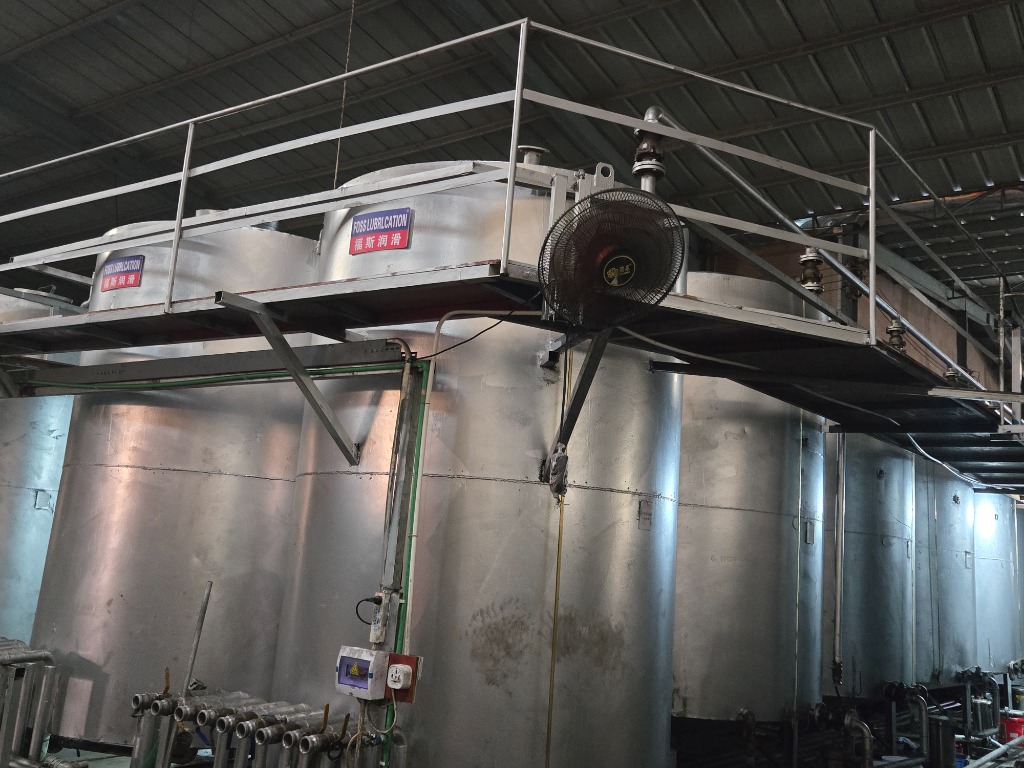
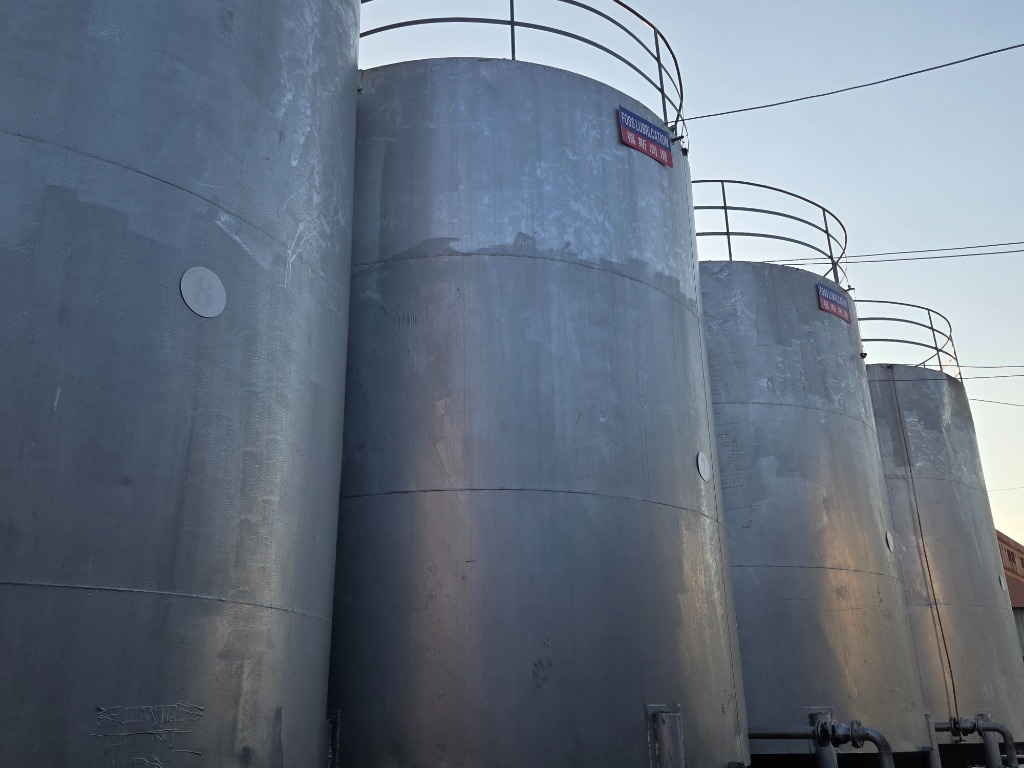
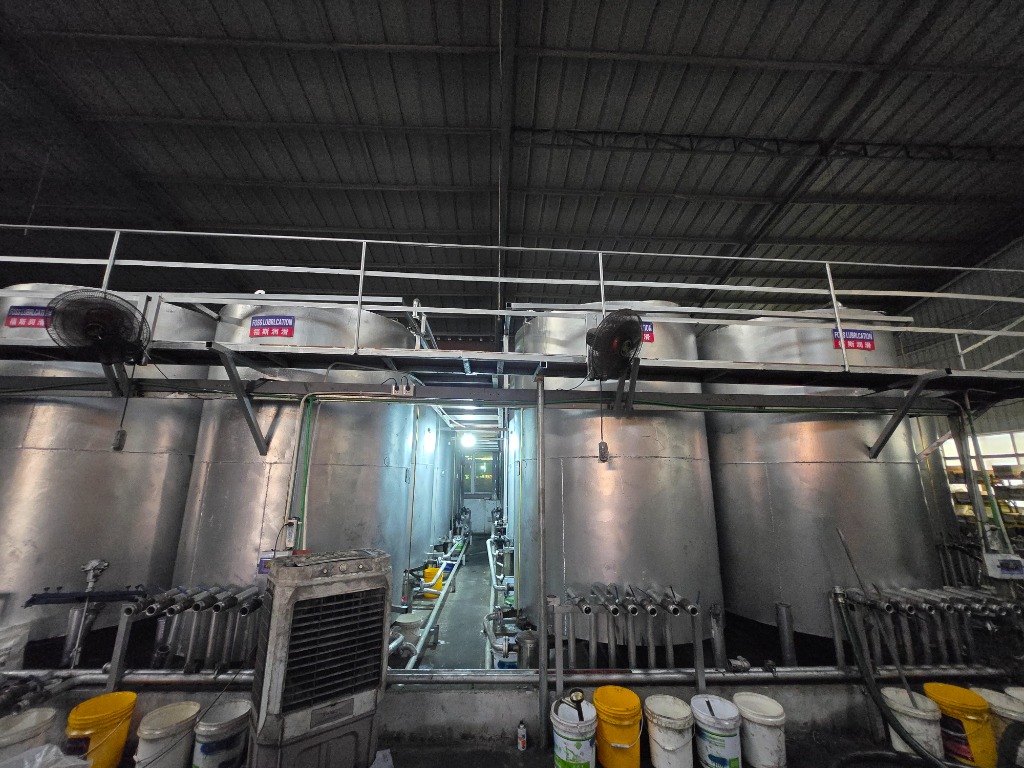
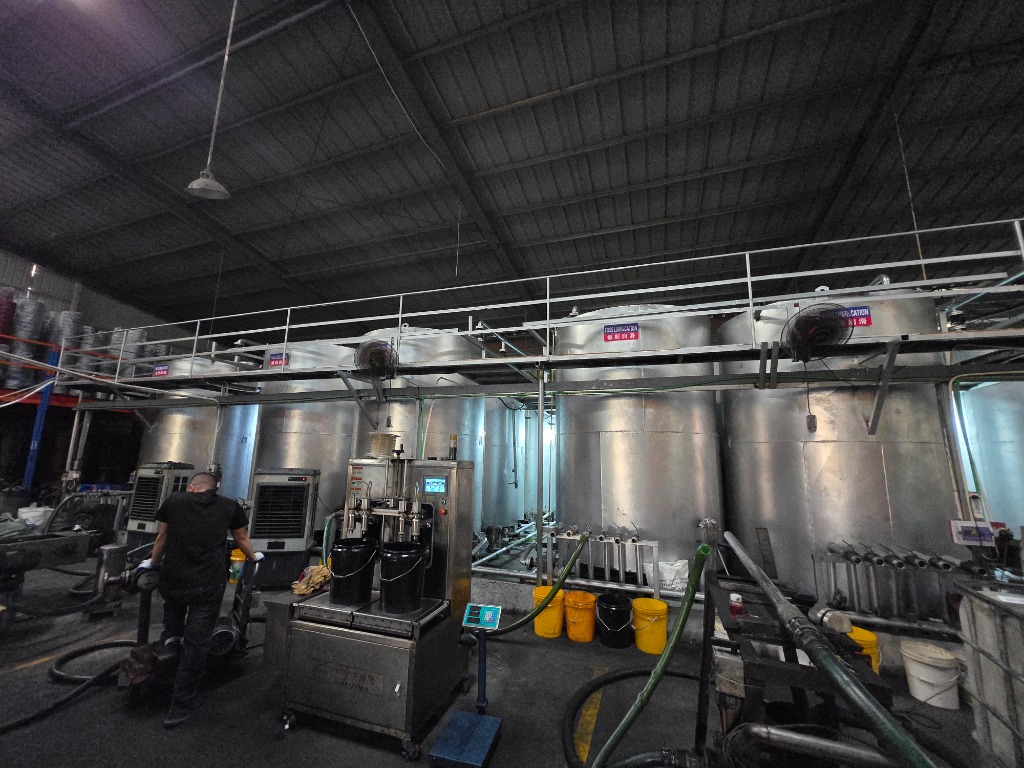
- 20,000 Metric Ton Virgin Base Stock Bulk Farm: Dedicated carbon-steel and stainless-steel vertical storage tanks with automated dry-air and nitrogen blanketing, preventing moisture absorption and atmospheric oxidation.
- Automated Precision Blending: Four high-shear blending reactors featuring Emerson mass-flow metering systems and computerized temperature-controlled heat transfer loops, guaranteeing batch-to-batch repeatability within ±0.2 cSt at 40°C.
- In-House ISO 17025 Compliant Tribology Testing: Every blending batch undergoes 14 mandatory analytical protocols prior to filling—including kinematic viscosity (ASTM D445), flash point (ASTM D92), pour point (ASTM D97), copper corrosion (ASTM D130), foam stability (ASTM D892), Karl Fischer water content (ASTM D6304), and ISO 4406 optical particle counter cleanliness verification (guaranteed NAS 1638 Class 6 / ISO 4406 17/15/12).
- Flexible Packaging Capabilities: Automated filling lines accommodating 208L steel drums, 1000L IBC totes, 18L/20L pails, and ISO tank flexibags, with daily packaging throughput exceeding 350 metric tons.
- Global OEM Toll-Blending & Private Labeling: Complete turnkey formulation, container customization, bilingual/multilingual silk-screen labeling, and international customs clearance documentation.
Given the extreme tightness in prompt API Group II 500N base stocks and extended ocean shipping timelines around the Cape of Good Hope, production schedules and vessel bookings for mid-to-late November and early-December departures are filling rapidly. International buyers are urged to submit baseline formulation specifications and volume reservations without delay.
Definitive 3-Day Lubricant & Base Oil Trend Forecast
Synthesized by the FOSS Quantitative Energy Modeling Desk based on active shipping line container bookings, regional tank farm draw-down rates, and prompt ICE Brent futures sentiment:
ICE Brent consolidates firmly above $104.00/bbl as Joint War Committee war-risk surcharges (1.40%-1.55%) and Strait of Hormuz naval convoy escort delays add $2.85-$3.45/bbl in landed crude procurement costs; Northeast Asian refiners raise prompt Group II 500N spot offers to $1,665-$1,675/MT on severe hydrocracker UCO diversion toward $33.65/bbl gasoil crack spreads.
Cape of Good Hope circumnavigation ($6,250-$6,500/FEU) and elevated Singapore VLSFO bunker costs ($728/MT) lock in high ocean container freight; cold-rolled SPCC steel drum price escalations ($35.40/drum) lift baseline export quotations for DIN 51524-2 hydraulic oils to $238.80/drum FOB Xiamen.
Record $385/MT Group II 150N/500N spread and escalating chemical additive precursors (ZDDP +5.8%, EP SIB +6.8%) trigger strict production quota rationing among independent regional blenders, driving multinational procurement teams in Southeast Asia, the Middle East, and Latin America to secure direct-source manufacturing allocations in Quanzhou.
5. Strategic Sourcing & Hedging Directives for Overseas Importers
For overseas procurement directors, fleet operators, and industrial distributors, market volatility represents both operational risk and competitive opportunity. We recommend the following three concrete actions for managing Q4 procurement:
Lock 60-Day Container Requirements
Secure firm proforma invoices (PI) with 30-day price validity. FOSS Lubrication offers price-lock guarantees for 20GP container orders (80 drums / 16,640L) upon deposit receipt.
Audit Laboratory CoA Verification
Demand full pre-shipment ASTM test parameters: kinematic viscosity at 40°C / 100°C, viscosity index ≥ 100, flash point ≥ 220°C, pour point ≤ -15°C, and zero moisture contamination.
FOSS Lubrication: Factory-Direct Precision Engineering
Operating out of Quanzhou, China, FOSS blends over 20,000 MT annually of ISO VG 32/46/68 anti-wear hydraulic oils, CK-4 heavy-duty engine oils, and industrial gear lubricants. Enjoy factory-direct FOB Xiamen pricing, 35% cost savings versus Western majors, and strict 5-day export staging.