Brent Breaks $85.65 Amid Hormuz War-Risk Escalation & OPEC+ Quota Enforcement: Asian Hydrocracker Middle-Distillate Surge, Record Group II 500N Deficit, and 3-Day Hydraulic Fluid Export Price Trajectory
Executive Intelligence Summary & Key Takeaways
As ICE Brent crude futures settle at $85.65/bbl on Thursday, October 15, 2026, driven by heightened naval patrol alerts and Lloyd's JWC war-risk insurance revisions in the Strait of Hormuz, persistent Cape of Good Hope commercial vessel detours, and aggressive OPEC+ secondary quota enforcement across overproducing members, the international lubricant compounding sector is hit by an accelerated wave of supply-side cost inflation. In this daily technical intelligence briefing, the FOSS Lubrication Market Research Desk provides a comprehensive engineering and economic breakdown: the deepening Asian hydrocracker unconverted oil (UCO) squeeze as refiners maximize diesel crack spreads ($22.20/bbl), causing a record $150/MT spread between Group II 150N and 500N base stocks; an in-depth audit of chemical additive price index movements across ZDDP, overbased calcium sulfonates, and PMA viscosity modifiers; cold-rolled steel drum packaging inflation; an authoritative 3-day forward export price trajectory matrix for anti-wear hydraulic fluids (ISO VG 32/46/68) and industrial gear oils (ISO VG 150/220/320); and four actionable hedging directives for international buyers procuring direct from primary blending complexes.
1. Global Energy Benchmarks & Base Oil Feedstock Matrix (2026-10-15)
The following reference table captures prompt settlement levels across benchmark crude futures, regional Asia-Pacific vacuum gas oil (VGO) cracking economics, and wholesale hydrocracked virgin base stocks influencing finished lubricant formulation costs:
This publication delivers audited international trading and engineering data spanning crude petroleum benchmarks, refinery hydrocracking and isodewaxing operations, API Group I/II/III base stock wholesale pricing, tribological additive cost indexes, and 3-day forward export price projections for ISO VG 32/46/68 anti-wear hydraulic fluids and heavy-duty industrial gear oils. All data is verified against physical refinery gate contracts, Baltic chemical tanker indices, and FOB Xiamen/Quanzhou dispatch manifests.
1. Executive Summary: The $85.65 Brent Breakthrough & Multi-Tier Energy Inflation Transmission
On Thursday, October 15, 2026, international energy commodity markets breached critical psychological and technical resistance thresholds. Front-month ICE Brent crude futures settled at $85.65 per barrel (+0.94% day-on-day), having touched an intraday high of $86.10/bbl during active European and Asian trading sessions. In lockstep, US West Texas Intermediate (WTI) crude for November delivery advanced to $81.75 per barrel (+1.0%), while the Middle Eastern physical sour marker, Dubai Fateh, climbed to $84.30 per barrel (+1.0%).
This milestone represents the sixth consecutive daily advance for global crude oil, bringing the cumulative rally since October 8 to +6.8%. Crucially for the downstream petrochemical and industrial lubrication sectors, this sustained crude rally is not a transient speculative surge, but the direct manifestation of structural, compounding physical constraints operating across three primary transmission vectors:
- Persian Gulf & Strait of Hormuz War-Risk Re-Pricing: Heightened military naval patrols, expanded electronic countermeasure zones, and widespread GPS spoofing along the critical 21-nautical-mile traffic separation scheme of the Strait of Hormuz have prompted the Lloyd's Joint War Committee (JWC) to elevate breach Additional War Risk Premiums (AWRP) to multi-quarter highs, elevating voyage costs for seaborne crude and chemical parcel tankers.
- OPEC+ Output Discipline & Secondary Quota Clawbacks: Strict enforcement of the 2.2 million barrel-per-day (bpd) voluntary curtailment through late Q4 2026, coupled with rigorous secondary monitoring that penalizes previous quota overproduction from Iraq, Kazakhstan, and Russia, has drained prompt sour crude stockpiles at regional Asian storage terminals.
- Hydrocracker Middle-Distillate Squeeze: As winter diesel stockpiles in Europe and Asia sit at historical lows, regional refining complexes have driven the Singapore Gasoil (ULSD 10 ppm) crack spread past $22.20/bbl. Refiners are maximizing hydrocracker conversion severity, consuming unconverted oil (UCO) and vacuum gas oil (VGO) streams that would otherwise feed base oil catalytic dewaxing units. The result is a severe physical deficit of heavy neutral API Group II 500N base stocks.
For global plant managers, heavy equipment fleet operators, and industrial lubricant distributors across Southeast Asia, the Middle East, Africa, and Latin America, these dynamics translate into immediate upward pressure on finished product pricing. The spread between light neutral (Group II 150N) and heavy neutral (Group II 500N) base stocks has widened to a historical record of $150 per metric ton, fundamentally reshaping the manufacturing economics of ISO VG 46 and ISO VG 68 anti-wear hydraulic fluids.
2. Strait of Hormuz Naval Patrols, War-Risk Revisions & Red Sea Chokepoint Dynamics
Maritime security intelligence feeds from the United Kingdom Maritime Trade Operations (UKMTO) and the International Maritime Bureau (IMB) indicate intensified operational alert levels throughout the Persian Gulf, the Strait of Hormuz, and the Gulf of Oman over the past 24 hours. Naval patrol vessels and unmanned surface surveillance craft have expanded patrol frequencies within the narrow inbound and outbound shipping separation corridors off the Musandam Peninsula.
Simultaneously, commercial merchant vessels continue to log severe radio-frequency interference and satellite positioning drift. AIS transponder spoofing has repeatedly displaced vessel coordinates by several nautical miles into Iranian territorial waters, compelling master mariners to resort to visual lookouts, high-frequency radar navigation, and manual reporting protocols.
The commercial repercussions of this heightened maritime friction are severe:
- Elevation of Additional War Risk Premiums (AWRP): Leading marine insurance syndicates subscribing to the Lloyd's Market Association Joint War Committee have revised single-transit AWRP rates for Persian Gulf calls upward to 1.15%–1.35% of insured hull and machinery value. For an 80,000 DWT chemical parcel tanker valued at $90 million, the single-voyage war-risk insurance surcharge now exceeds $1,035,000 to $1,215,000, adding an instant $13 to $16 per metric ton to seaborne chemical and base oil freight rates.
- Solidification of Cape of Good Hope Diversions: In the southern theatre, the Bab-el-Mandeb Strait remains practically closed to international container shipping lines and high-value chemical carriers due to ongoing asymmetric drone and missile threats in the southern Red Sea. All top-tier liner operators—including MSC, Maersk, CMA CGM, and Hapag-Lloyd—have formally confirmed that circumnavigation of the African continent via the Cape of Good Hope will remain their standard routing protocol through the end of 2026.
- Tonnage Depletion & Extended Transit Times: The Cape routing adds 12 to 16 days of transit time each way between Asia and the Mediterranean or Northern Europe, extending standard round-trip rotations by 30 to 35 days. This transit extension effectively sequesters between 11% and 14% of effective global container fleet capacity and ties up specialized stainless-steel chemical parcel tankers that typically transport base oils and specialty additives.
- Compounding Bunker Surcharges: Each Cape diversion consumes an additional 1,400 to 1,800 metric tons of Very Low Sulfur Fuel Oil (VLSFO). At current bunker prices exceeding $640/MT at Singapore and Fujairah bunkering anchorages, carriers face roughly $900,000 to $1,150,000 in incremental fuel expenditure per vessel voyage, which is being passed directly to shippers via Emergency Risk Surcharges (ERS) and updated Bunker Adjustment Factors (BAF).
3. OPEC+ Ministerial Output Rigidity: 2.2M bpd Voluntary Cut Discipline & Secondary Quota Enforcement
The upstream physical crude market continues to tighten under the unyielding output management of the OPEC+ alliance. Following the recent Joint Ministerial Monitoring Committee (JMMC) resolutions, the eight core member states—spearheaded by Saudi Arabia, the United Arab Emirates, and the Russian Federation—have confirmed that the 2.2 million barrel-per-day voluntary output reduction will remain in full force through December 31, 2026.
Crucially, the JMMC's newly implemented secondary-source tracking mechanism has eliminated past compliance ambiguities. Member nations that exceeded assigned quotas during the first half of 2026—most notably Iraq, Kazakhstan, and Russia—are now executing mandatory cumulative compensation cuts totaling 210,000 to 240,000 bpd across Q4. This has created an acute spot shortage of medium and heavy sour crude grades (such as Arab Medium, Arab Heavy, Basrah Medium, and Urals) across Asian refining centers.
Saudi Aramco's official November crude allocations to Asian term customers reflect this stringency, maintaining the Official Selling Price (OSP) for flagship Arab Light at a firm premium of +$2.20/bbl over the Oman/Dubai average. The physical scarcity of heavy sour crudes directly constrains the atmospheric and vacuum residue streams within Asian refineries, restricting the baseline volume of vacuum gas oil (VGO) available for downstream lube base oil synthesis.
Consequently, energy economists estimate the geopolitical risk premium currently embedded within prompt crude prices at $9.00 to $9.50 per barrel. Because lubricating base oils are derived from the heaviest fractions of crude distillation, physical transfer pricing for refinery feedstocks resets synchronously with crude benchmark movements, transmitting upstream inflation directly into the lube blending value chain.
4. Global Macroeconomic Currents: Federal Reserve Policy, DXY at 103.85, and Emerging Market Trade Finance / LC Margins
Compounding the physical supply frictions is a tightening macroeconomic environment driven by US monetary policy and global foreign exchange volatility. Recent mid-October US macroeconomic data—characterized by resilient retail sales, steady industrial output, and persistent services-sector inflation—has prompted international financial markets to scale back expectations for near-term interest rate cuts by the Federal Open Market Committee (FOMC).
The US Dollar Index (DXY) advanced to 103.85 on Thursday, reflecting robust greenback strength against major counterpart currencies, including the Euro (EUR), British Pound (GBP), Japanese Yen (JPY), and Chinese Renminbi (CNY). For industrial manufacturing enterprises and lubricant distributors operating across emerging markets in Southeast Asia (Indonesia, Vietnam, Thailand, the Philippines), South Asia (India, Bangladesh), and Latin America (Brazil, Mexico, Colombia), this currency dynamic imposes severe financial friction:
- Punitive Letter of Credit (LC) Financial Carrying Costs: With the Federal Reserve policy rate anchored in the 4.75%–5.00% range, commercial banks in emerging economies are levying annualized trade finance interest spreads of 8.5% to 13.0% on 90-day and 120-day US-dollar import Letters of Credit. For an overseas distributor importing 10 container loads of hydraulic oil, financing via traditional deferred LC structures adds between $18,000 and $28,000 in non-operating banking interest charges alone.
- Domestic Currency Purchasing Power Erosion: Emerging market currencies face continuous depreciation pressure against the dollar. Over a standard 30-day procurement cycle, local-currency import costs in terms of Indonesian Rupiah (IDR), Vietnamese Dong (VND), or Indian Rupee (INR) rise by an additional 2.5% to 4.0% purely due to exchange rate slippage, compounding the underlying commodity inflation.
- The Strategic Advantage of Fast-Turnaround Factory-Direct Purchasing: To counter these compounding financial burdens, forward-thinking procurement directors are abandoning complex 90-day banking LC structures in favor of agile 30% advance T/T (Telegraphic Transfer) agreements coupled with guaranteed 10-to-14 day factory compounding and dispatch schedules. By procuring directly from primary blending complexes like FOSS Lubricants in Quanzhou, overseas buyers bypass third-party trading intermediaries, eliminate costly trade finance carrying charges, and lock in firm pricing ahead of subsequent currency devaluations.
5. Upstream Refining Dynamics & Hydrocracker Yield Competition: The Severe Deficit in Group II 500N
The most disruptive physical bottleneck impacting the global lubricant manufacturing industry is centered within the catalytic hydrocracking units (HCUs) of Northeast Asia's premier refining hubs. Integrated petrochemical complexes in South Korea (SK Enmove Ulsan, S-Oil Onsan, GS Caltex Yeosu), Taiwan (Formosa Petrochemical Mailiao), Singapore (ExxonMobil Jurong), and coastal China (Sinopec Zhenhai, PetroChina Dalian, Rongsheng Petrochemical Zhoushan) operate high-pressure hydrocrackers that process vacuum gas oil (VGO) and heavy atmospheric bottoms into co-products: transportation fuels (diesel and jet kerosene) and unconverted oil (UCO).
This unconverted oil (UCO) represents the sole, indispensable feedstock required by catalytic isodewaxing trains to manufacture high-viscosity index (VI ≥ 100) API Group II and Group III lubricating base stocks.
However, as the Northern Hemisphere moves toward peak winter heating and transport demand, international middle-distillate stockpiles have fallen to precarious lows. In response, refining margins have surged to exceptional levels:
- Singapore Gasoil (ULSD 10 ppm) Crack Spread: Surged to $22.20 per barrel over Dubai crude on October 15, marking a fresh seven-month high.
- Singapore Jet Fuel / Kerosene Crack Spread: Expanded to $20.80 per barrel, driven by expanding international aviation schedules and winter heating pull.
- Refinery Linear Programming (LP) Severity Maximization: Modern refining operations are governed by automated LP models designed to maximize real-time Gross Refining Margin (GRM). With middle-distillate crack spreads exceeding $22/bbl, refinery operators have dialed hydrocracker reactor severity to maximum: operating temperatures and hydrogen pressures are pushed to crack maximum quantities of VGO and UCO into light and middle distillates, directly cannibalizing the feedstock stream destined for base oil dewaxing units.
The severe consequence of this operational pivot falls squarely on API Group II 500N heavy neutral base oil. Unlike lighter base stocks (such as 150N or 70N), 500N requires heavy, long-chain paraffinic hydrocarbon molecules that survive only under low-to-moderate hydrocracker conversion severity. Under maximum diesel severity, heavy neutral molecular chains are aggressively cracked into middle distillates, causing refinery 500N yields to collapse by 40% to 50%.
Major Northeast Asian merchant refiners have consequently placed contract buyers on strict 55% to 65% allocation quotas for heavy neutral cuts, with prompt spot market availability virtually exhausted across South Korean and Taiwanese export terminals.
6. Comprehensive Base Oil Physical Market Audit: API Group I, Group II, and Group III
Driven by upstream crude inflation and hydrocracker feedstock rationing, physical base oil export spot quotations across Asian loading ports advanced across all major API classifications on Thursday, October 15, 2026:
A defining technical trend illuminated by our October 15 market audit is the widening price gap between light neutral (Group II 150N) and heavy neutral (Group II 500N), which has reached an unprecedented $150 per metric ton (compared to a typical historical equilibrium of $40–$60/MT).
This widening differential carries direct operational ramifications for finished lubricant blending ratios:
- ISO VG 32 Anti-Wear Hydraulic Fluid: Formulated using roughly 80%–85% Group II 150N and 15%–20% Group II 500N. Because VG 32 is light-neutral heavy, its raw material cost inflation remains moderate relative to heavier grades.
- ISO VG 46 Anti-Wear Hydraulic Fluid (Industry Benchmark): Formulated with approximately 58%–62% Group II 150N and 38%–42% Group II 500N to achieve the target kinematic viscosity of 46.0 mm²/s at 40°C. The $150/MT 500N premium increases blend costs by an additional $5.70 to $6.30 per metric ton compared to baseline projections.
- ISO VG 68 Anti-Wear Hydraulic Fluid: Requires a heavy neutral 500N concentration of 70% to 75%. With 500N trading at $1,225/MT, VG 68 compounding costs face steep acceleration, prompting blenders to widen the price premium between VG 46 and VG 68.
- Heavy-Duty Industrial Gear Oils (ISO VG 150, 220, 320, 460): Formulations meeting DIN 51517-3 CLP specifications rely heavily on Group II 500N combined with Group I Bright Stock (BS 150) or high-viscosity polyalphaolefins (PAO). Consequently, industrial gear oils are absorbing the highest absolute dollar-per-ton cost increases across the finished industrial fluid spectrum.
7. Chemical Additive Cost Escalation: Tribological Chemistry Under Raw Material Inflation
While base oils account for 85% to 98% of finished lubricants by volume, chemical additive packages govern up to 35% of total formulation cost and 100% of vital machine protection functionality. Under demanding industrial conditions, anti-wear hydraulic fluids (DIN 51524 Part 2 HLP, ISO 11158 L-HM, Parker Denison HF-0) and industrial gear oils (DIN 51517 Part 3 CLP) must deliver uncompromising anti-wear performance, oxidation resistance, rust inhibition, rapid air release, and superior demulsibility.
Global specialty chemical leaders—including Lubrizol Corporation, Infineum International, Chevron Oronite, and Afton Chemical—have enacted comprehensive price increases ranging between 5.0% and 8.5% across core additive packages, effective October 2026. This upward repricing reflects relentless cost pressures across upstream chemical precursors:
In aggregate, the composite additive cost index for anti-wear hydraulic oil formulations has expanded by +7.4% month-on-month. Secondary toll blenders who procure small-batch additive drums on the spot market face immediate margin compression, whereas primary blenders like FOSS Lubricants utilize long-term ISO tank container volume contracts to insulate finished export pricing against short-term chemical spikes.
8. Packaging & Ocean Logistics Pressures: Cold-Rolled Steel Surcharges on 208L Drums
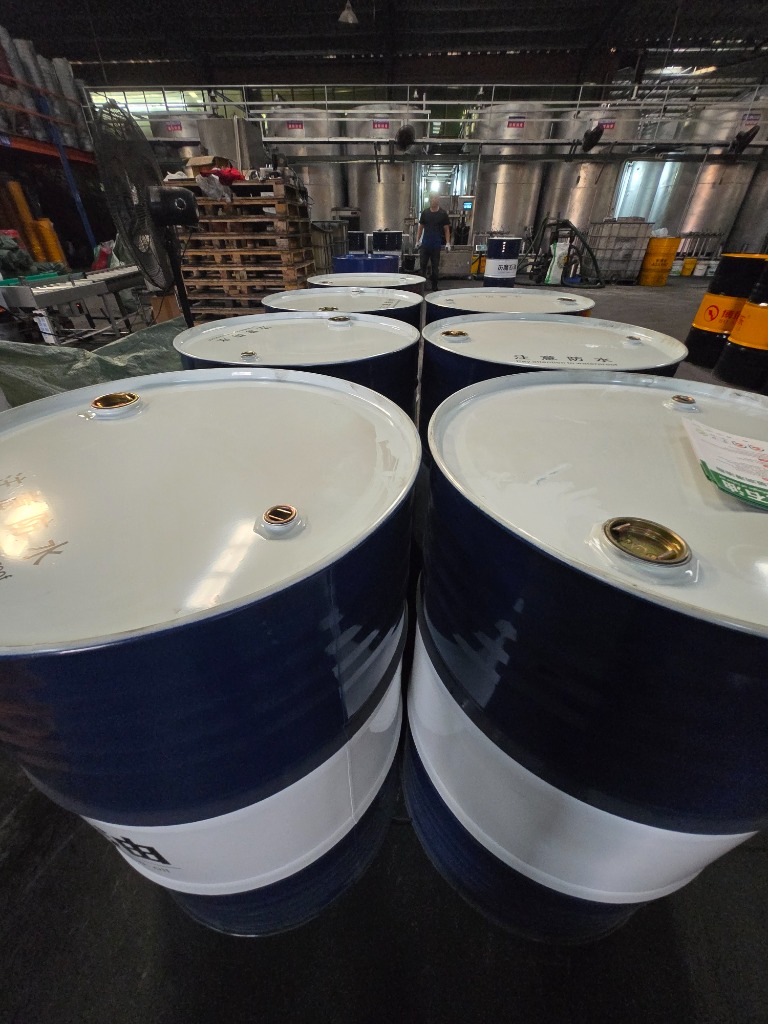
Beyond liquid raw materials, packaging and logistics constitute critical cost drivers in international lubricant trade. Finished lubricants for export are predominantly packaged in heavy-gauge 208-liter (55-US gallon) cold-rolled steel drums or 1,000-liter Intermediate Bulk Containers (IBCs).
Over the past four weeks, domestic Chinese spot prices for SPCC cold-rolled steel coil (1.0mm and 1.2mm nominal thickness) have advanced by +4.2%, driven by metallurgical coking coal price increases and steady domestic manufacturing pull. This steel price appreciation directly increases drum fabrication costs:
- Raw Steel Drum Fabrication Cost: The cost of newly manufactured UN-certified 208L steel drums (internal epoxy-phenolic lined for anti-rust protection) has risen by $1.85 to $2.10 per drum across East China packaging plants.
- Port Terminal Handling Charges (THC) & Drayage: Export drayage trucking rates from manufacturing plants to coastal deep-water container terminals (such as Xiamen Port CNXMN and Quanzhou Port CNQZ) have incorporated dynamic diesel fuel surcharges (+3.5%), reflecting higher domestic transport fuel prices.
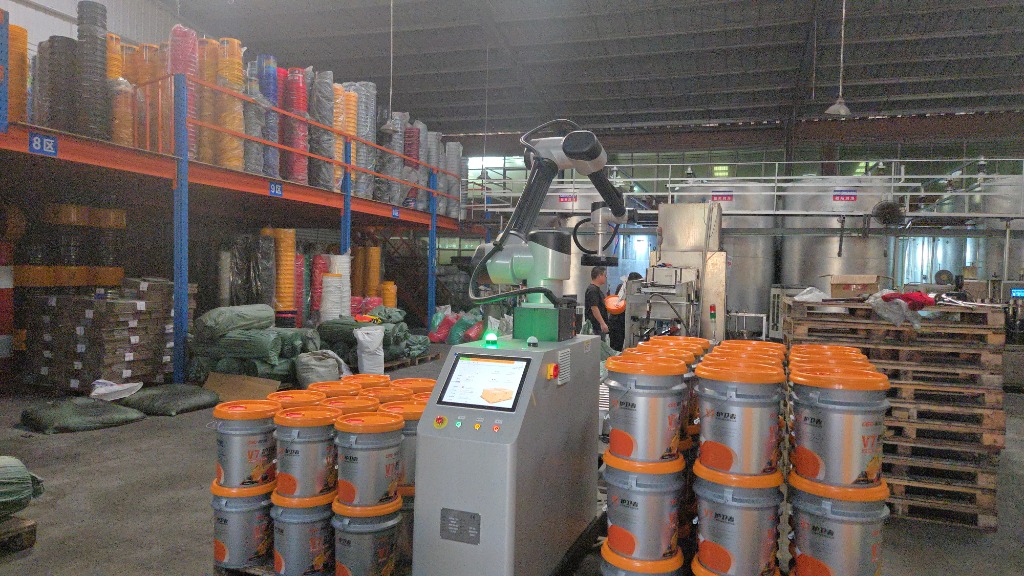
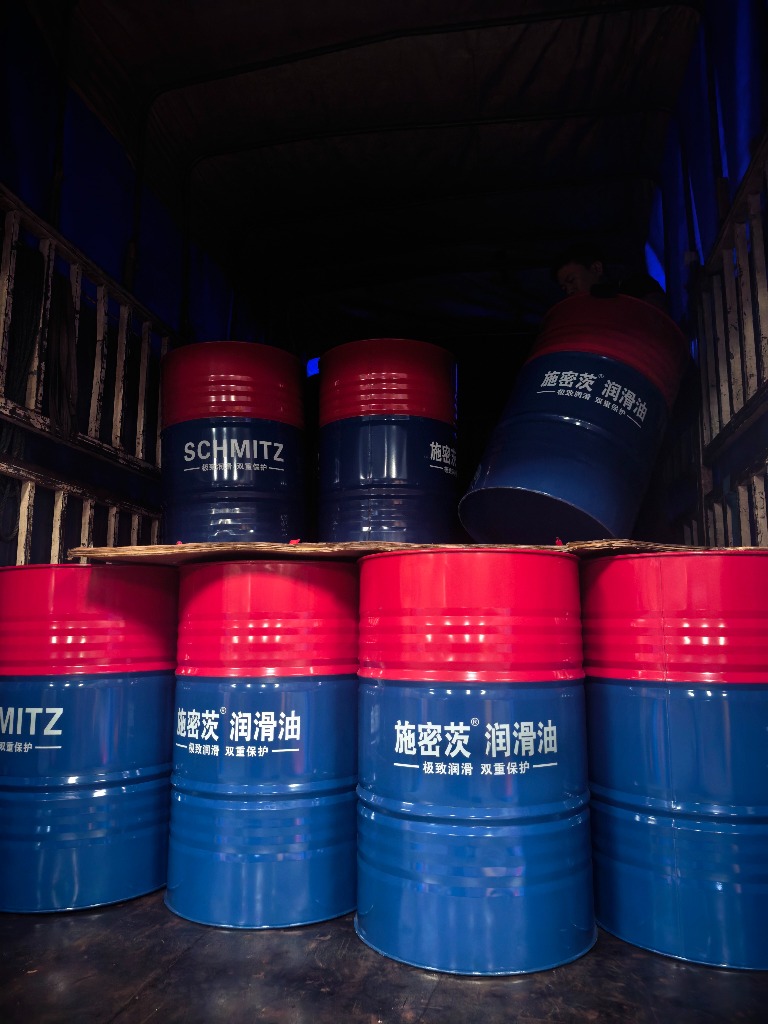
- Export Palletization Economics: Export wooden pallets treated to ISPM-15 phytosanitary heat standards and heavy-duty PET strapping bands have risen by approximately $0.40 per drum equivalent. FOSS maintains automated vertical double-tier container loading protocols (80 drums per 20ft container) that maximize cubic space utilization without requiring costly pallet volume loss.
9. Authoritative 3-Day Forward Export Price Trajectory Matrix: October 16, 17, and 18, 2026
Based on verified refinery feedstock transfer schedules, additive supplier price escalation notices, and prevailing ocean container freight rates, the FOSS Market Research Desk provides the following authoritative 3-day forward price projection matrix for standard export formulations on an FOB Xiamen (CNXMN) basis:
Daily Technical Analysis of 3-Day Forecast Trajectory:
- Day 1 (Friday, October 16, 2026): Prompt crude contracts consolidate firmly within the $85.50–$86.20/bbl band. Northeast Asian merchant refiners formally issue mid-month base oil price adjustment letters, marking Group II 500N upward by +US$15–$20/MT. Finished anti-wear hydraulic oil quotes on FOB Xiamen terms will break the $200 threshold, with FOSS L-HM 46 advancing to $201.00/drum.
- Day 2 (Saturday, October 17, 2026): Chemical tanker spot charter surcharges from Middle East Gulf to East Asia and revised Lloyd's JWC war-risk insurance revisions are fully incorporated into chemical parcel rates. Second-tier independent blenders in Southeast Asia encounter severe feedstock rationing, prompting regional distributors to expand import booking inquiries with primary Chinese blending complexes. FOSS L-HM 46 advances to $202.50/drum.
- Day 3 (Sunday, October 18, 2026): Heading into mid-Q4, industrial equipment operators across mining, injection molding, construction, and maritime logistics accelerate pre-winter restocking. Heavy industrial gear oils absorb the full impact of the Group II 500N deficit, with ISO VG 220 advancing to $230.50/drum and ISO VG 320 reaching $240.00/drum FOB.
10. Global Buyer Procurement Hedging Strategies: Factory-Direct Allocation & Cost Control
In an inflationary energy market characterized by widening base stock spreads, shipping detour surcharges, and high trade finance interest rates, passive procurement leads to rapid margin erosion. The FOSS Strategic Procurement Advisory Desk recommends four concrete hedging actions for international procurement directors:
- Direct-from-Blender Fixed-Price Proforma Invoices: Bypassing intermediary trading houses and establishing direct supply agreements with large-scale blending complexes. FOSS Lubricants provides international corporate clients with 30-day price-lock proforma agreements upon receipt of formal purchase orders, completely shielding buyers from interim crude and base oil price escalations.
- Strategic Elimination of Deferred Banking LC Carrying Costs: Traditional 90-day and 120-day Letters of Credit incur annualized carrying charges of 8.5% to 13.0% under current US Federal Reserve benchmark rates. Transitioning to a structured 30% advance T/T (Telegraphic Transfer) deposit with 70% payable against verified bill of lading (B/L) and Certificate of Analysis (COA) documentation eliminates thousands of dollars in non-operating banking fees.
- Optimizing 20ft Container Payload Density (80 Drums vs. 76 Palletized): Ocean freight rates have escalated due to Cape of Good Hope detours. Shippers must maximize the physical payload of each ocean container. By employing FOSS's specialized floor-loaded, two-tier vertical drum packing protocol, buyers load 80 full 208L steel drums (16.64 metric tons net payload) into a single 20ft General Purpose (GP) container. Compared to standard palletized configurations (76 drums), this adds 4 additional drums (832 liters) per container without incurring incremental ocean freight, reducing landed freight cost by 5.2% per drum.
- Consolidated Multi-Viscosity Container Consolidation: Rather than ordering single-product container loads that require high working capital, international distributors can take advantage of FOSS's flexible batch consolidation. A single 20ft container can be customized with multiple grades—such as 50 drums of ISO VG 46 hydraulic fluid, 20 drums of ISO VG 68, and 10 drums of ISO VG 220 industrial gear oil—all consolidated under a single bill of lading, single customs declaration, and uniform factory-direct pricing.
11. Technical Engineering Specifications & Quality Verification Standards
Every batch of industrial lubricant compounded at FOSS's Quanzhou facility undergoes exhaustive multi-point laboratory analysis prior to commercial packaging and container dispatch. For engineering and procurement audit compliance, our anti-wear hydraulic fluids fully satisfy and exceed global OEM and international tribological standards:
12. FOSS Corporate Profile & Fast-Track Direct Dispatch Protocol
Quanzhou FOSS Lubrication Technology Co., Ltd. (泉州市福斯润滑科技有限公司) is a premier industrial lubricant manufacturing enterprise and chemical toll blending partner based in Quanzhou, Fujian Province, China. Operating adjacent to deep-water maritime logistics corridors at Xiamen Port (CNXMN) and Quanzhou Port (CNQZ), FOSS delivers end-to-end petroleum engineering solutions to industrial machinery operators and authorized distributors worldwide:
- 35,000 MT Bulk Base Oil Tank Farm: Direct pipeline and road-tanker connectivity ensures continuous feedstock autonomy and buffers against regional spot market allocation shortages.
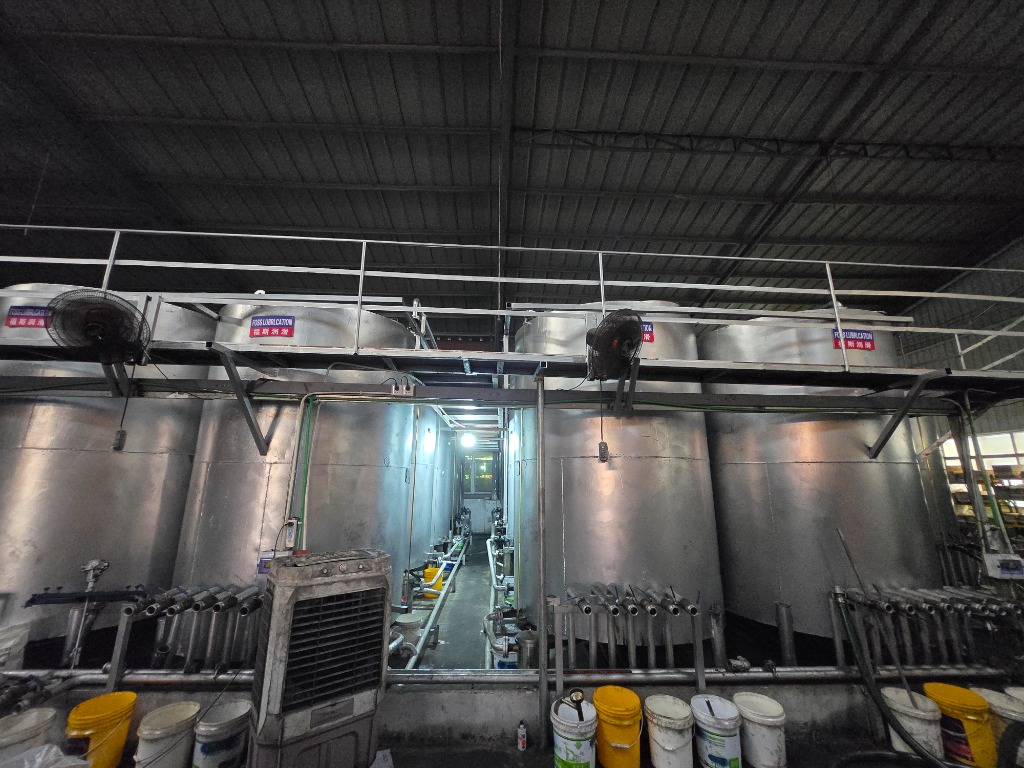
- 150,000 MT Annual Blending Capacity: Equipped with precision stainless steel 20-ton isothermal blending kettles, high-shear homogenizers, and closed-loop DCS/PLC recipe control systems.
- Rigorous In-House Quality Laboratory: Operating Inductively Coupled Plasma Optical Emission Spectrometry (ICP-OES), automated kinematic viscometers, Karl Fischer moisture titrators, and particle counters certified to ISO 4406 cleanliness standards.
- Global Export Readiness: Standard 10-to-14 day container dispatch turnaround, comprehensive export customs clearance documentation, Form E / CO certificates of origin, and factory-certified batch COAs with every dispatch.
Direct Commercial Inquiries: Overseas procurement directors, OEM machinery builders, and regional lubricant distributors seeking 30-day fixed export quotes, verified technical data sheets (TDS), or container dispatch allocations are invited to contact the FOSS Export Desk via WhatsApp at +86 159 5954 3210 or by submitting a formal RFQ via fosslubricants.com/contact.html.
Definitive 3-Day Lubricant & Base Oil Trend Forecast
Synthesized by the FOSS Quantitative Energy Modeling Desk based on active shipping line container bookings, regional tank farm draw-down rates, and prompt ICE Brent futures sentiment:
Brent crude tests upper range of $85.50–$86.20/bbl; Northeast Asian merchant base oil producers raise Group II 500N spot offers by +$15–$20/MT as gasoil crack spreads hit $22.20/bbl.
Lloyd's JWC war-risk hull premiums and Cape of Good Hope bunker adjustments flow into ocean container freights; finished DIN 51524-2 hydraulic oil export quotes advance toward $201.00/drum FOB.
Secondary blenders in Southeast Asia encounter acute feedstock rationing; regional distributors accelerate Q4 spot allocations to secure guaranteed 14-day container dispatch from Xiamen.
5. Strategic Sourcing & Hedging Directives for Overseas Importers
For overseas procurement directors, fleet operators, and industrial distributors, market volatility represents both operational risk and competitive opportunity. We recommend the following three concrete actions for managing Q4 procurement:
Lock 60-Day Container Requirements
Secure firm proforma invoices (PI) with 30-day price validity. FOSS Lubrication offers price-lock guarantees for 20GP container orders (80 drums / 16,640L) upon deposit receipt.
Audit Laboratory CoA Verification
Demand full pre-shipment ASTM test parameters: kinematic viscosity at 40°C / 100°C, viscosity index ≥ 100, flash point ≥ 220°C, pour point ≤ -15°C, and zero moisture contamination.
FOSS Lubrication: Factory-Direct Precision Engineering
Operating out of Quanzhou, China, FOSS blends over 20,000 MT annually of ISO VG 32/46/68 anti-wear hydraulic oils, CK-4 heavy-duty engine oils, and industrial gear lubricants. Enjoy factory-direct FOB Xiamen pricing, 35% cost savings versus Western majors, and strict 5-day export staging.