Brent Crosses $80 on Middle East Tanker Security Rerouting: Asian Hydrocracker Margins, Additive Inflation, and 3-Day Hydraulic Fluid Export Price Outlook
Executive Intelligence Summary & Key Takeaways
With Brent crude breaking past the key $80/bbl threshold following intensified tanker security alerts in the Persian Gulf and sustained Cape of Good Hope commercial rerouting, the global petrochemical supply chain is absorbing steep logistics and refining feedstock surcharges. In this comprehensive October 10 daily intelligence report, the FOSS Lubrication Research Desk evaluates Asian hydrocracker middle distillate competition, analyzes acute Group II 500N base stock shortages, calculates the 30-day chemical additive inflation index (ZDDP, calcium sulfonate, PMA), and delivers a rigorous 3-day export pricing matrix for anti-wear hydraulic fluids and industrial lubricants alongside tactical risk-reversal hedging directives for overseas buyers.
1. Global Energy Benchmarks & Base Oil Feedstock Matrix (2026-10-10)
The following reference table captures prompt settlement levels across benchmark crude futures, regional Asia-Pacific vacuum gas oil (VGO) cracking economics, and wholesale hydrocracked virgin base stocks influencing finished lubricant formulation costs:
2. Strait of Hormuz Naval Alerts & Cape of Good Hope Tanker Diversions: The Maritime Transmission Mechanism
Global energy logistics entered an acute inflection phase in the early trading hours of October 10, 2026, as prompt ICE Brent crude futures decisively penetrated the $80.00 psychological resistance benchmark to settle at $80.45 per barrel. This bullish impulse stems directly from compound maritime disruptions across the primary petroleum conduits linking Arabian Gulf crude extraction centers to East Asian refining complexes. Commercial shipping associations, including BIMCO and INTERTANKO, issued updated security advisories following repeated incidents of electronic AIS spoofing, naval patrol mobilizations, and reciprocal commercial vessel boarding threats within the Strait of Hormuz.
The Strait of Hormuz remains the single most critical global energy chokepoint, facilitating the daily transit of approximately 20.5 million barrels of crude oil, condensate, and refined petroleum products—representing over 20% of total world petroleum consumption. Simultaneously, continuous maritime hazards in the southern Red Sea and the Bab-el-Mandeb Strait have forced more than 82% of commercial chemical parcel tankers and crude carriers to bypass the Suez Canal entirely, maintaining extended sailing trajectories around the Cape of Good Hope.
For international base oil and finished lubricant buyers, the Cape of Good Hope transit detour is not merely an abstract geopolitical development; it represents a direct cost and delivery shock. Navigating around the southern tip of Africa adds between 4,800 and 6,200 nautical miles to standard voyages originating from primary Middle Eastern base oil export terminals (including Yanbu and Jubail on Saudi Arabia's Red Sea and Gulf coasts, and Ruwais in the United Arab Emirates) to discharge ports in East Asia, Southeast Asia, and Northern Europe. In concrete terms, this adds 14 to 18 full steaming days per voyage.
The consequences of this logistical elongation cascade rapidly across the downstream supply chain:
- Surging Tanker War Risk Premiums (AWRP): Marine underwriters operating through Lloyd's of London and the Singapore War Risks Syndicate have revised Additional War Risk Premiums upwards by 30% to 40% over the past 96 hours. For a typical 45,000-DWT chemical parcel tanker carrying Group I and Group II base oil cargoes, this insurance markup translates to an immediate landed cost penalty of $2.20 to $3.10 per metric ton.
- Depleted Deadweight Tonnage & Charter Rates: Because vessels spend an additional two to three weeks per round trip, effective global parcel tanker deadweight capacity (DWT) has been effectively constrained by an estimated 11.5%. Spot charter rates for chemical carriers along the Persian Gulf to Singapore and Far East routes have consequently rallied by $45 to $65 per metric ton in bunker fuel surcharges (BAF) and emergency freight supplements.
- Multi-Tiered Inventory Drain in Destination Ports: Major commercial base oil tank farm hubs—such as Jurong Island in Singapore, Ulsan in South Korea, and Taicang in East China—are witnessing accelerated inventory drawdowns as delayed vessels fail to replenish shore tanks on scheduled contract dates. Spot buyers seeking immediate tank truck or pipeline base oil allocations are being forced to pay immediate cash premiums of $25 to $40 per metric ton over published benchmark indices.
Understanding this physical transmission mechanism allows procurement directors to anticipate wholesale lubricant price revisions: the initial shock manifests in bunker and insurance premiums (Days 1–5), propagates into physical terminal spot stock depletion (Days 6–15), and inevitably culminates in formal factory gate price increases across packaged finished lubricants (Days 16–30).
3. OPEC+ Voluntary Production Quota Maintenance through November 2026: Upstream Realities vs. Refinery Margins
Complementing the maritime logistics bottleneck is the steadfast production discipline enacted by the OPEC+ alliance. Following the Joint Ministerial Monitoring Committee (JMMC) deliberations, the core cohort of seven voluntary quota-cutting nations—spearheaded by Saudi Arabia, the Russian Federation, the United Arab Emirates, Iraq, Kuwait, Kazakhstan, and Algeria—formally ratified the preservation of their 2.2 million barrels per day voluntary production curtailments through the conclusion of November 2026.
This strategic decision decisively counteracts calls from consuming nations for output expansion ahead of the Northern Hemisphere winter heating season. OPEC+ leadership reaffirmed that maintaining crude market stability and defending long-term upstream capital expenditure takes absolute precedence over defending short-term market share. By keeping 2.2 million bpd of physical crude off global spot markets, OPEC+ has established a resilient floor beneath international benchmark prices: ICE Brent trades firmly in the $80.00–$81.00/bbl band, NYMEX WTI has advanced to $76.95/bbl, and the Platts Dubai sour crude assessment stands robustly at $79.15/bbl.
For major Asian merchant refiners—notably SK Enmove, S-Oil, and GS Caltex in South Korea; Formosa Petrochemical in Taiwan; and Sinopec and PetroChina along China's southeastern coast—this supply framework enforces high feedstock acquisition costs. Saudi Aramco's official selling prices (OSPs) for Arab Light and Arab Medium crudes scheduled for November liftings to Asian customers have been held at solid premiums over the Oman/Dubai average benchmark, denying regional hydrocrackers the option of discounted sweet or medium-sour crude slates.
Confronted with inflexible raw crude acquisition overheads, modern petroleum refineries are optimizing their secondary processing units to extract the maximum commercial value per processed barrel. As detailed in the following sections, this optimization triggers intense internal feedstock competition between middle distillate transportation fuels and lubricating base oil cuts.
4. Federal Reserve Monetary Stance, US Dollar Index (DXY 102.85), and Global Trade Finance Economics
Beyond physical supply and refining logistics, macroeconomic monetary dynamics play a pivotal role in dictating actual landed procurement costs for international lubricant distributors. The Federal Reserve has maintained its benchmark federal funds rate target within the 3.75% to 4.00% range, signaling a measured, data-dependent stance regarding further policy adjustments. Consequently, the US Dollar Index (DXY) has consolidated at 102.85, reflecting persistent strength relative to a basket of major trading partner currencies.
In the capital-intensive petroleum and lubricant sectors, international physical trade is almost universally denominated and settled in US Dollars (USD). When the US Dollar exhibits sustained firmness alongside rallying crude oil futures, importing enterprises in non-USD jurisdictions face a double-compounding financial pressure: they must pay higher USD unit prices for physical goods while expending greater volumes of depreciating local currency to acquire those dollars.
In prominent manufacturing centers across Southeast Asia (such as Vietnam, Indonesia, Thailand, Malaysia, and the Philippines) and Latin America (including Brazil, Mexico, Colombia, and Chile), local currencies have depreciated between 2.8% and 6.4% year-to-date against the USD. The real financial consequences for industrial lubricant importers manifest across three primary operational domains:
- Elevated Trade Finance & Letter of Credit (L/C) Discounting: Commercial banks in importing nations peg their import trade finance facilities to the Secured Overnight Financing Rate (SOFR) plus domestic risk spreads. The cost of financing 60-day and 90-day Usance Letters of Credit currently stands between 5.8% and 6.6% annualized. Maintaining extended inventory pipelines financed through commercial bank credit significantly erodes net operating margins for overseas distributors.
- Penalties on Excess Local Warehousing: High prevailing domestic borrowing rates make speculative warehousing of slow-moving lubricant stock economically unviable. Importers can no longer afford to tie up working capital in multiple months of buffer inventory. Instead, forward-thinking distributors are transitioning toward high-velocity container turns (Full Container Loads / FCL) staged on 30-day replenishment rhythms directly from factory terminals.
- Disintermediation toward Factory-Direct Sourcing: To safeguard profitability against compounding currency and financing overheads, procurement directors are aggressively eliminating multi-tier domestic trading intermediaries. By establishing direct supply contracts with primary compounding manufacturers such as FOSS Lubrication, overseas buyers capture factory-direct FOB Xiamen terms that yield 30% to 35% landed cost advantages compared to traditional international brand distribution tiers.
5. Upstream Refining Economics & Hydrocracker Yield Competition: API Group I, II, and III Feedstocks
To understand why finished industrial lubricants—and anti-wear hydraulic fluids in particular—are experiencing upward price pressure, one must analyze the thermodynamics and processing economics of modern petroleum hydrocracking units. Base oils are specialty co-products generated within complex multi-stage refining trains, competing directly with transportation fuels for the exact same atmospheric and vacuum gas oil feedstocks.
In a modern hydrocracker operating under severe conversion parameters (temperatures between 385°C and 430°C and hydrogen partial pressures exceeding 160 to 190 bar), Vacuum Gas Oil (VGO) distilled from crude bottoms is hydrocracked over noble metal catalysts. The operating refinery possesses dynamic flexibility to shift conversion severity based on real-time crack spread profitability:
The Middle Distillate Crack Spread Premium: Over the opening ten days of October 2026, Asia-Pacific crack spreads for Ultra-Low Sulfur Diesel (ULSD 10 ppm) and Jet A-1 aviation kerosene expanded to $19.20 to $21.80 per barrel over benchmark Dubai crude. This spread widening is driven by seasonal pre-winter heating oil stockpiling across Northern Asia (Japan, South Korea, and Northern China) coupled with robust commercial passenger and cargo aviation schedules. When middle distillate crack spreads expand, refinery process engineers deliberately calibrate hydrocracker fractionation towers to maximize kerosene and diesel yields.
This shift in refinery severity dramatically suppresses the output of Unconverted Oil (UCO), also termed hydrocracker bottoms. Because UCO constitutes the sole essential feedstock for downstream Catalytic Iso-Dewaxing (CIDW) and Hydrofinishing reactors that synthesize API Group II and Group III base oils, any reduction in UCO yield immediately starves base oil manufacturing capacity.
The most severe physical supply constriction is currently centered on API Group II Heavy Neutral 500N. Modern industrial hydraulic systems operating at continuous pressures exceeding 250 to 350 bar (such as heavy injection molding machines, automated stamping presses, and die-casting hydraulic units) require heavy-duty ISO VG 46 and ISO VG 68 fluids. Formulating an ISO VG 68 hydraulic oil compliant with DIN 51524-2 and Denison HF-0 specifications necessitates an exact base oil blend comprising approximately 68% to 75% Group II 500N and 25% to 32% Group II 150N.
Because refiners find it technically easier and commercially more profitable to yield lighter 150N cuts than viscous 500N cuts during high-severity operations, heavy neutral 500N availability has contracted significantly. Spot offers for 500N now command a premium of $120/MT over 150N—the widest spread recorded in the Asia-Pacific region during 2026. Secondary blenders lacking dedicated long-term bulk base oil contracts are encountering acute operational margin compression.
6. Chemical Additive Cost Index: Tribological Chemistry Under Raw Material Inflation
A premium industrial lubricant is an engineered chemical solution where chemical additives dictate vital operational boundaries. In severe-duty anti-wear hydraulic oils like FOSS L-HM 46 and multi-grade fluids like FOSS L-HV 46, chemical additives comprise 1.2% to 3.5% of total formulation volume but account for 20% to 26% of direct compounding costs. In heavy-duty CK-4 commercial diesel engine oils and industrial gear lubricants (L-CKD 220), additive packages represent between 8.5% and 15.0% of total finished product costs.
The performance integrity of anti-wear hydraulic oil depends fundamentally on four primary additive classes:
- Zinc Dialkyldithiophosphates (ZDDP): The primary anti-wear, anti-scuffing, and antioxidant agent in modern industrial tribology. FOSS utilizes an optimized molecular hybrid of primary and secondary alkyl ZDDP chemistry. Primary alkyl ZDDP delivers thermal oxidation stability up to 160°C in continuous severe service, while secondary alkyl ZDDP decomposes rapidly at localized boundary-contact flash temperatures (120°C–145°C) to deposit a durable, glassy zinc polyphosphate sacrificial tribofilm across sliding steel interfaces (such as hydraulic vane pump tips, cam rings, and piston shoes). Over the past 30 days, critical precursors—specifically phosphorus pentasulfide (P2S5) and high-purity zinc oxide (ZnO)—have experienced cost increases of 8.6% and 6.4% respectively, driving finished ZDDP package prices up by 8.1%.
- Overbased Calcium Sulfonates: Formulated with a colloidal calcium carbonate core (Total Base Number 300–400 mg KOH/g), these multi-functional molecules perform three critical duties: they neutralize acidic oxidation degradation byproducts, passivate yellow-metal copper and bronze alloys against corrosive attack, and establish a molecular moisture barrier meeting the stringent ASTM D665 synthetic seawater rust test. Upstream benzene and synthetic alkylbenzene feedstocks have gained 5.5% over the past month.
- Polymethacrylate (PMA) Viscosity Index Improvers & Pour Point Depressants: Engineered for wide-temperature fluids (FOSS L-HV 46), PMA polymers utilize high-molecular-weight architectures (Shear Stability Index SSI ≤ 22). At elevated operating temperatures (100°C), the polymer chains uncoil to maintain lubricating film thickness, while at sub-zero temperatures (down to -39°C to -42°C), they disrupt the growth of paraffin wax crystal lattices. Specialty methacrylate monomer production in coastal chemical hubs has faced higher energy costs, lifting PMA additive indices by 4.8%.
- Hindered Phenolic & Alkylated Diphenylamine (DPA) Radical Scavengers: Working in synergy with ZDDP, these high-temperature antioxidants intercept free-radical hydroperoxides, terminating the autocatalytic chain reaction responsible for fluid darkening, sludge formation, and varnish buildup in sensitive electro-hydraulic proportional servo valves.
7. Industrial Packaging Metallurgy: Cold-Rolled Steel Coils and 208L Tight-Head Drum Surcharges
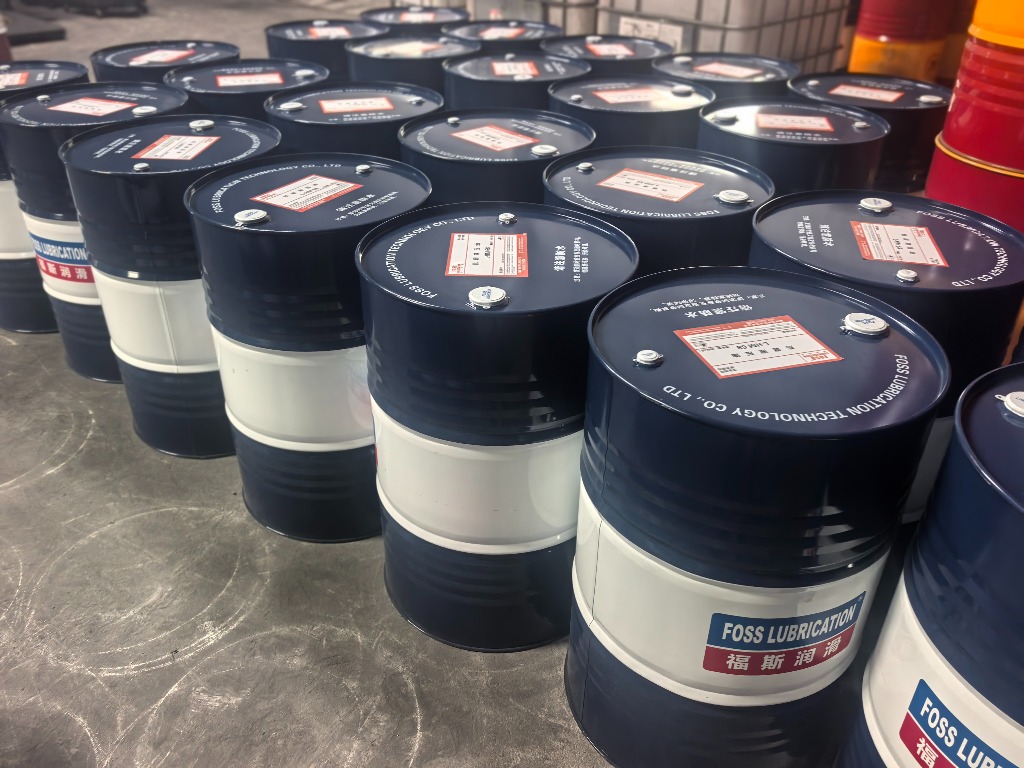
In the global export lubricants arena, packaging integrity is an equal partner to chemical formulation quality. FOSS Lubrication packages and ships its industrial fluids primarily in heavy-duty 208-liter (55-gallon) UN 1A1 certified tight-head cold-rolled steel drums, built to withstand dynamic maritime rolling forces, extreme tropical temperature variations, and rough port container handling.
Fabricating a certified 208L tight-head drum requires prime-quality cold-rolled steel coil (SPCC / DC01 standard) with a nominal cylinder body gauge of 1.0 mm and top and bottom triple-seamed chime heads of 1.2 mm. Each finished drum possesses an unpainted steel tare weight of 18.5 to 19.5 kg. Raw steel coil represents approximately 62% of the total manufacturing cost of an empty drum, with electrostatic baked enamel exterior finishing, internal rust-inhibitive phenolic wash, dual 2-inch and 3/4-inch Tri-Sure zinc-plated steel bung closures, and assembly labor making up the balance.
Over the past month, regional Chinese cold-rolled steel coil prices have firmed by $40 to $52 per metric ton, driven by industrial machinery manufacturing demand and production controls across coastal steel hubs. As a result, container drum packaging suppliers have implemented direct packaging surcharges ranging from $0.90 to $1.30 per drum.
The FOSS Sourcing Shield: While smaller secondary compounders immediately pass packaging surcharges onto their export customers, FOSS Lubrication maintains strategic standing supply agreements with certified drum manufacturers, maintaining a dedicated on-site reserve of over 15,000 pre-fabricated steel drums at our Quanzhou plant. This operational buffer completely shields our international partners from packaging surcharges on all active and proforma orders.
8. FOSS Manufacturing Infrastructure & Quality Assurance Protocols (High-Definition Workshop Proof)
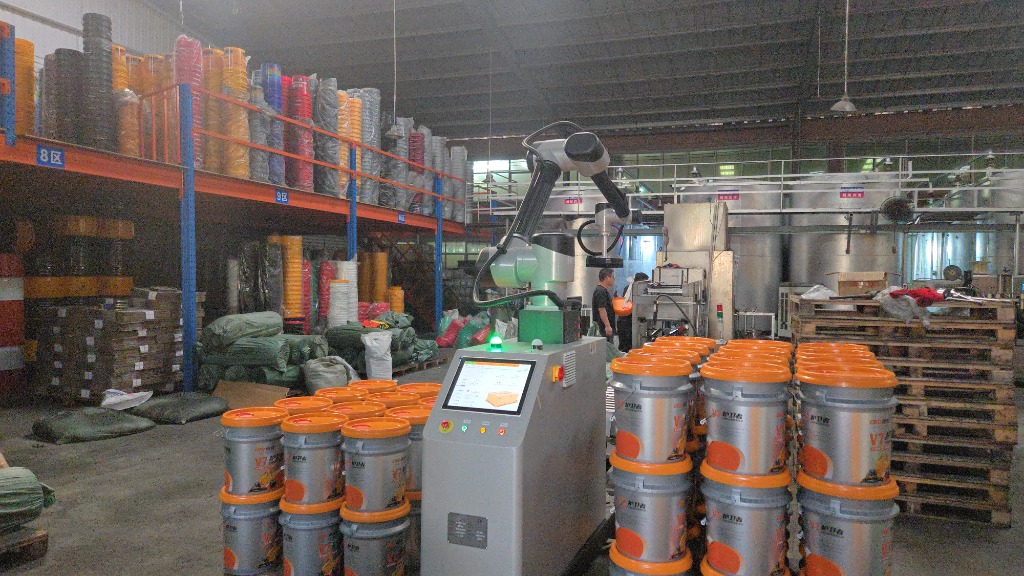
Operating from our primary compounding and manufacturing center in Quanzhou, Fujian Province, Quanzhou Foss Lubrication Technology Co., Ltd. (泉州市福斯润滑科技有限公司) maintains an annual production capacity exceeding 20,000 metric tons of industrial lubricants, hydraulic fluids, and automotive oils.
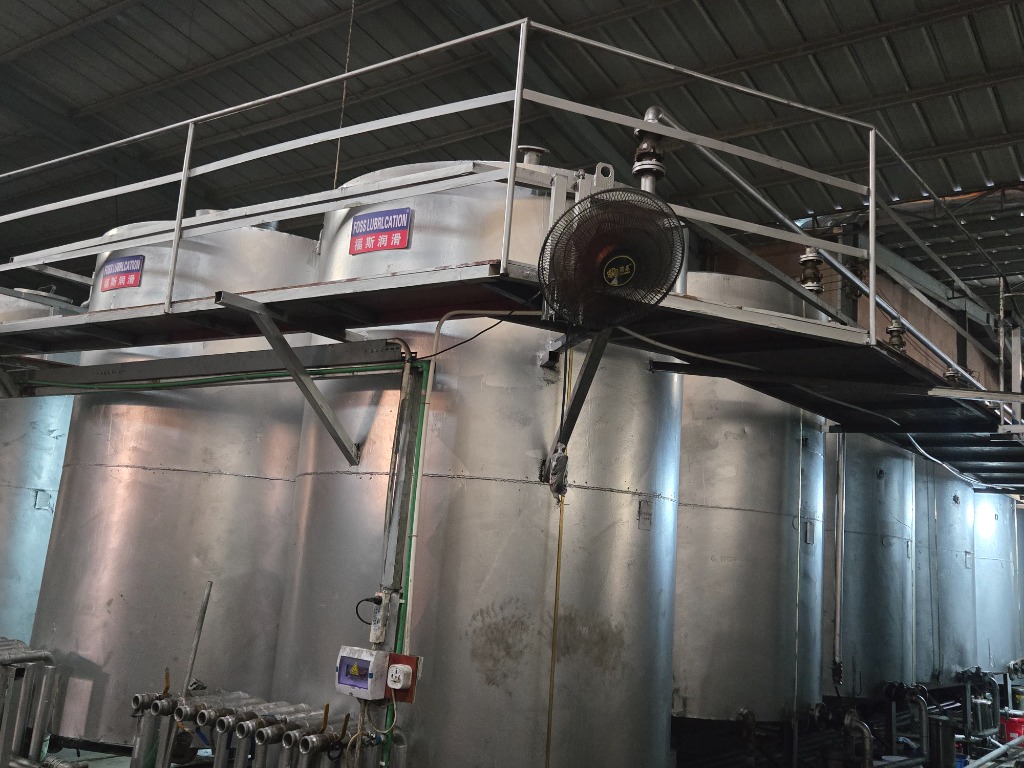
To maintain zero-defect compliance with international DIN, ISO, ASTM, and OEM specifications, FOSS has engineered an automated, closed-loop blending infrastructure designed to eliminate cross-batch contamination:
- Automated Mass-Dosing Blending Mezzanine: High-precision load-cell metering vessels automatically dose virgin base oils and chemical additives by mass (rather than volume), dynamically compensating for fluid thermal expansion and guaranteeing batch-to-batch repeatability within ±0.05%.
- Dedicated Pigging Manifolds: Separate stainless steel piping manifolds are maintained for zinc-based anti-wear hydraulic fluids, ashless zinc-free fluids, and heavy industrial gear oils. High-velocity polyurethane pigging bullets purge transfer lines between production cycles.
- Nitrogen Headspace Purging: During high-speed drum filling, container headspaces are purged with dry nitrogen gas immediately before bung torque sealing. This eliminates atmospheric moisture condensation and prevents dissolved oxygen from initiating fluid oxidation during ocean transit.
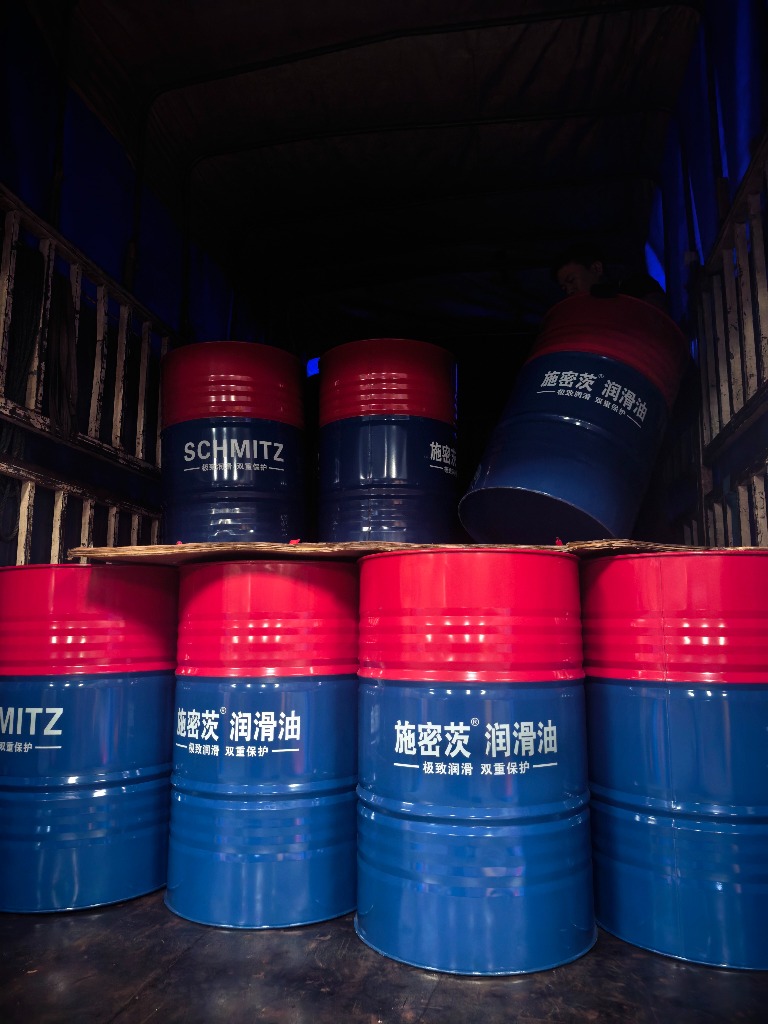
Every export container batch undergoes rigorous eight-parameter laboratory testing certified by an official pre-shipment Certificate of Analysis (CoA):
- ASTM D445 Kinematic Viscosity: Verified at 40°C (41.4 – 50.6 mm²/s for ISO VG 46) and 100°C using calibrated Ubbelohde capillary viscometers.
- ASTM D2270 Viscosity Index: Minimum 100 for standard L-HM; minimum 150 for wide-temperature L-HV multi-grade fluids.
- ASTM D92 Flash Point (Cleveland Open Cup): Exceeding 225°C, guaranteeing operational safety under high-temperature hydraulic duty cycles.
- ASTM D97 Pour Point: Maximum -15°C for L-HM 46; down to -39°C for L-HV 46, ensuring cold-start fluid pumpability.
- ASTM D665 Rust Prevention (Synthetic Seawater): Zero rust spots on polished steel test rods after 24 hours of vigorous mechanical agitation at 60°C.
- ASTM D1401 Water Demulsibility: Complete 40-37-3 phase separation achieved in ≤ 15 minutes, preventing water entrapment in hydraulic reservoirs.
- ASTM D892 Foaming Characteristics: Sequence I, II, and III foam tendency ≤ 25 mL, foam stability 0 mL, guarding against servo valve cavitation and erratic actuator response.
- ISO 4406 Particle Cleanliness Class: Delivered at certified Class 17/15/12 or cleaner, safeguarding proportional valves against abrasive silt wear.
9. Finished Product Price Transmission Mechanics: Anti-Wear Hydraulic Oils & Industrial Oils
For international procurement directors, understanding the timing of cost transmission from upstream energy markets to finished lubricant price sheets is essential for strategic timing:
Historical pricing audits tracking Asian export contracts demonstrate that the cost transmission mechanism follows a predictable two-stage lag:
- Phase 1: Spot Discount Freezes & Quote Validity Capping (Days 0 to 7): Base oil refiners immediately cancel spot cargo discounts and shorten quote validity to 3 to 5 business days. Primary blenders absorb marginal feedstock increases while restricting order validity on export proforma invoices.
- Phase 2: Formal Catalog Revision & Wholesale Upward Adjustments (Days 8 to 21): Blenders exhaust pre-purchased tank storage and are compelled to publish formal upward adjustments across finished drum and IBC catalogs. Export offers from coastal Chinese ports adjust by $2.00 to $5.00 per 208L drum.
During sharp crude and base oil rallies, uncertified blenders facing margin compression frequently resort to adulterating virgin Group II base stocks with 15% to 30% recycled waste oils (RRBO). Recycled oils contain residual chlorinated solvents, oxidation polymers, and polycyclic aromatics that cause rapid fluid darkening, early ZDDP additive depletion, and abrasive varnish deposition in hydraulic valves. FOSS strictly enforces a contractual 100% virgin hydrocracked base oil guarantee, verified by Fourier-Transform Infrared (FTIR) spectroscopy on every container dispatch.
10. Definitive 3-Day Multi-Grade Price Trajectory Matrix (FOB Xiamen Export Projections)
Synthesized by the FOSS Quantitative Energy Modeling Desk based on prompt ICE Brent movements, regional base oil tank farm drawdowns, and active chemical tanker shipping schedules, the following table presents the official 72-hour price trajectory for our primary export lubricants:
11. Strategic Sourcing & Hedging Directives for Global Procurement Importers
In a volatile macroeconomic and geopolitical environment, reactive spot procurement exposes overseas distributors and fleet operators to substantial commercial margin erosion. The FOSS Lubrication Strategic Advisory Desk recommends four concrete operational hedging protocols for managing Q4 procurement:
Lock 60-Day Container Allocations under 30-Day PI Validity
Rather than placing fragmented monthly orders, negotiate a 60-day volume purchase agreement. FOSS Lubrication provides formal Proforma Invoices (PI) with guaranteed 30-day price locks upon receipt of a 20% advance deposit. This mechanism isolates your procurement budget against intervening crude spikes.
Maximize 20GP Container Freight Utilization (80 Drums / 16,640L)
Container ocean freight rates are billed per container box, not per drum. Ordering less than full container load (LCL) incurs substantial freight penalties. Standardize on the proven two-tier 80-drum palletized layout (16,640 liters net / ~15.8 MT gross) to minimize per-liter landed logistics overhead.
Enforce Mandatory Batch ASTM CoA Verification & Retention Retains
Contractually require pre-shipment laboratory Certificates of Analysis verifying ASTM D445 viscosity, ASTM D2270 VI, ASTM D92 flash point, ASTM D97 pour point, and ASTM D1401 demulsibility. FOSS archives dual 1-liter retention samples from every export production batch for 12 months in our Quanzhou QA center.
Harmonize Plant Lubricant Portfolios on Universal ISO VG 46
Over 70% of modern industrial hydraulic machinery (injection molding, metal stamping, excavators) operates optimally on ISO VG 46. Harmonizing multiple plant facilities to a single versatile grade consolidates purchasing volume, secures higher tiered volume discounts, and eliminates redundant warehouse SKUs.
Definitive 3-Day Lubricant & Base Oil Trend Forecast
Synthesized by the FOSS Quantitative Energy Modeling Desk based on active shipping line container bookings, regional tank farm draw-down rates, and prompt ICE Brent futures sentiment:
Brent consolidates above $80.20/bbl; Northeast Asian refiners raise spot Group II 150N offers to $1,010/MT and withdraw open discounts on heavy neutral 500N.
Chemical parcel tanker freight premiums lock in; finished anti-wear hydraulic oil export quotes adjust upward by $1.80–$2.20 per 208L drum across major coastal blending hubs.
Secondary compounders face acute margin compression as additive price adjustments take effect; overseas buyers accelerate full-container bookings under FOSS 30-day fixed-price terms.
5. Strategic Sourcing & Hedging Directives for Overseas Importers
For overseas procurement directors, fleet operators, and industrial distributors, market volatility represents both operational risk and competitive opportunity. We recommend the following three concrete actions for managing Q4 procurement:
Lock 60-Day Container Requirements
Secure firm proforma invoices (PI) with 30-day price validity. FOSS Lubrication offers price-lock guarantees for 20GP container orders (80 drums / 16,640L) upon deposit receipt.
Audit Laboratory CoA Verification
Demand full pre-shipment ASTM test parameters: kinematic viscosity at 40°C / 100°C, viscosity index ≥ 100, flash point ≥ 220°C, pour point ≤ -15°C, and zero moisture contamination.
FOSS Lubrication: Factory-Direct Precision Engineering
Operating out of Quanzhou, China, FOSS blends over 20,000 MT annually of ISO VG 32/46/68 anti-wear hydraulic oils, CK-4 heavy-duty engine oils, and industrial gear lubricants. Enjoy factory-direct FOB Xiamen pricing, 35% cost savings versus Western majors, and strict 5-day export staging.