Strait of Hormuz Security Escalation & OPEC+ Quota Discipline: Global Crude Surges, Asian Hydrocracker Ratios, and 3-Day Hydraulic Fluid Export Price Outlook
Executive Intelligence Summary & Key Takeaways
Escalating maritime security friction in the Strait of Hormuz and ongoing Red Sea rerouting around the Cape of Good Hope, combined with OPEC+ maintaining voluntary production quotas through November 2026, have propelled Brent crude toward $80/bbl. In this live market intelligence briefing, the FOSS Lubrication Research Desk dissects Asian hydrocracker yield trade-offs between middle distillates and lube cuts, examines API Group II (150N/500N) feedstock shortages, audits the chemical additive cost index (ZDDP, calcium sulfonate, PMA), and presents an authoritative 3-day pricing forecast for ISO VG 32/46/68 anti-wear hydraulic fluids alongside strategic hedging directives for overseas buyers.
1. Global Energy Benchmarks & Base Oil Feedstock Matrix (2026-10-09)
The following reference table captures prompt settlement levels across benchmark crude futures, regional Asia-Pacific vacuum gas oil (VGO) cracking economics, and wholesale hydrocracked virgin base stocks influencing finished lubricant formulation costs:
2. Strait of Hormuz & Bab-el-Mandeb Chokepoint Dynamics: The Geopolitical Transmission Mechanism
The global petroleum supply architecture is currently enduring a synchronized stress test across its two most critical maritime arteries: the Strait of Hormuz and the Bab-el-Mandeb Strait. The Strait of Hormuz represents an irreplaceable transit bottleneck through which approximately 20.5 million barrels per day of crude oil, condensate, and refined petroleum products flow—accounting for nearly 21% of total global petroleum liquids consumption. Over the past 48 hours, heightened military alerts, commercial tanker communication disruptions, electronic navigation spoofing, and reciprocal security warnings have triggered immediate defense reactions across international maritime shipping syndicates.
Maritime underwriters operating in Lloyd's of London and Singapore have recalibrated additional war-risk insurance premiums (AWRP) for commercial chemical parcel tankers and crude carriers transiting the Persian Gulf. Spot insurance premiums have surged by 25% to 35% within the span of 72 hours, translating directly to an immediate transit cost penalty of $1.80 to $2.60 per metric ton of bulk cargo. Simultaneously, ongoing maritime diversions around the Bab-el-Mandeb Strait continue to force international chemical parcel tankers and container lines away from the Red Sea and the Suez Canal, routing commercial traffic on the extended journey around the Cape of Good Hope.
This rerouting extends transit durations between Middle Eastern base oil refining centers (such as Yanbu and Jubail in Saudi Arabia, and Ruwais in the United Arab Emirates) and destination blending facilities in Asia and Europe by 14 to 18 full sailing days. The physical elongation of international supply chains has effectively absorbed substantial chemical tanker deadweight tonnage (DWT), causing spot charter rates to rise sharply. Bunker fuel surcharges (BAF) on chemical parcel tankers carrying API Group I and Group II base oil feedstocks have escalated by $45 to $60 per metric ton.
The fundamental transmission mechanism from maritime choke points to industrial lubricant manufacturing follows a clear chronological sequence:
- Immediate Vessel Delay & Freight Surcharges (Days 1–5): Tankers face extended steaming schedules and increased bunker fuel consumption, causing parcel tanker freight rates from the Middle East to Far East ports to spike. Blenders relying on just-in-time base oil deliveries experience initial pipeline drawdowns.
- Feedstock Replenishment Cost Shock (Days 6–15): Coastal storage tank terminals in Singapore, Ulsan, and East China witness rapid spot inventory depletion. Regional base oil distributors halt prompt cargo discounts and increase offer levels to reflect replacement costs.
- Finished Lubricant Gate Price Inflation (Days 16–30): Secondary blenders and downstream packaging facilities exhaust pre-hedged raw material reserves, forcing upward adjustments on wholesale finished lubricant price sheets for anti-wear hydraulic oils, gear lubricants, and heavy-duty engine oils.
3. OPEC+ Production Quota Discipline through November 2026: Supply Realities vs. Refinery Margins
Compounding the maritime freight disruptions is the unyielding supply discipline enforced by the OPEC+ coalition. In their high-level Joint Ministerial Monitoring Committee (JMMC) review concluded in early October 2026, core members—led by Saudi Arabia, the Russian Federation, Iraq, the United Arab Emirates, Kuwait, Kazakhstan, and Algeria—reaffirmed their formal commitment to maintain 2.2 million barrels per day of voluntary crude production cuts through the end of November 2026.
Despite persistent lobbying from consumer nations seeking price relief ahead of the Northern Hemisphere winter heating season, OPEC+ leadership emphasized structural inventory balances and the imperative of safeguarding upstream capital returns over short-term volume expansion. This disciplined stance has established an unyielding price floor for benchmark crudes, with ICE Brent futures firmly anchored above $79.50/bbl and testing key psychological resistance at $80.00/bbl, while NYMEX WTI trades briskly in the $76.20–$76.80/bbl channel.
For regional petroleum refiners across Northeast Asia—most notably S-Oil, GS Caltex, and SK Enmove in South Korea, Formosa Petrochemical in Taiwan, and Sinopec and PetroChina along China's southeastern seaboard—the OPEC+ quota rollover guarantees elevated crude acquisition costs for medium sour and light sweet grades alike. Saudi Aramco's Official Selling Prices (OSPs) for Arab Light and Arab Medium crudes destined for Asian buyers in November have been maintained at robust premiums over the Oman/Dubai average, preventing Asian refiners from obtaining discounted feedstock slates.
As upstream refining margins face compression from sustained crude purchase costs, refiners are systematically reallocating refinery stream severities. When crude input costs remain rigid, refiners cannot afford to subsidize specialty product lines; every hydrocracker barrel must yield maximum commercial return, directly intensifying competitive pressures between transportation fuels and lubricating base oils.
4. Federal Reserve Monetary Stance, US Dollar Liquidity (DXY), and Trade Finance Economics
In parallel with physical energy dynamics, macroeconomic monetary conditions continue to dictate global commercial trade flows. The Federal Reserve's target benchmark interest rate, currently positioned in the 3.75% to 4.00% corridor following calibrated monetary easing, has exerted complex cross-currents across international commodity trade.
The US Dollar Index (DXY) has consolidated near the 102.8 mark as currency traders weigh resilient US economic activity indicators against European industrial stagnation. In the capital-intensive energy sector, where international crude oil, base stock transactions, and containerized finished lubricant sales are invoiced in US Dollars (USD), currency movements dictate real landed procurement purchasing power for overseas importers.
In major manufacturing hubs across Southeast Asia (such as Vietnam, Indonesia, Thailand, and Malaysia) and Latin America (including Brazil, Chile, and Mexico), local currencies face persistent depreciation pressure against the dollar. Consequently, when FOB lubricant quotes rise in USD terms, the domestic purchasing power cost for overseas industrial buyers amplifies significantly:
- Commercial Trade Credit Costs: Commercial banks in importing countries face elevated discounting rates on 60-day and 90-day Usance Letters of Credit (L/C). Financing costs tied to Secured Overnight Financing Rate (SOFR) benchmarks add an annualized financing burden of 5.8% to 6.5% on imported containerized lubricants.
- Inventory Carrying Penalties: High domestic interest rates discourage overseas industrial distributors from maintaining excessive safety stocks in local warehouses. Instead, buyers are shifting toward leaner, high-frequency container replenishment models.
- Factory-Direct Margin Protection: To counteract currency depreciation and high trade financing costs, procurement directors are aggressively bypassing multi-tier international brand distributors, choosing instead to partner directly with authoritative primary manufacturers like FOSS Lubrication to secure factory-direct FOB Xiamen terms that deliver a 30% to 35% landed cost advantage.
5. Upstream Refining Economics & Hydrocracker Yield Competition: API Group I, II, and III
To thoroughly understand why industrial hydraulic fluids and heavy-duty engine oils are experiencing price increases, one must analyze the internal thermo-chemical operating economics of modern petroleum hydrocrackers. Base oils are not produced in isolation; they are co-products of complex multi-stage refining processes that compete directly with transportation fuels for the same heavy gas oil feedstocks.
In high-conversion hydrocracking units, Vacuum Gas Oil (VGO)—distilled from atmospheric crude bottoms under high vacuum—is subjected to intense catalytic cracking at temperatures ranging from 380°C to 425°C under hydrogen partial pressures exceeding 150 to 180 bar. Under these severe operating conditions, the hydrocracker operator possesses operational flexibility to shift conversion severity:
The Crack Spread Competition: Over the past two weeks, global crack spreads for middle distillates—specifically Ultra-Low Sulfur Diesel (ULSD 10 ppm) and Jet A-1 aviation kerosene—have widened to $18.50 to $21.20 per barrel over crude in the Asia-Pacific basin, driven by pre-winter seasonal stockpiling across Northern Asia and sustained commercial aviation demand. When diesel crack spreads expand, refinery process engineers adjust hydrocracker fractionation parameters to maximize middle distillate yield, intentionally cracking heavier molecules into diesel and kerosene fractions.
This operational adjustment sharply reduces the production yield of Unconverted Oil (UCO), also known as hydrocracker bottoms. Because UCO is the exclusive feedstock required by downstream Catalytic Iso-Dewaxing (CIDW) and Hydrofinishing units to synthesize API Group II and Group III lubricating base oils, a reduction in UCO yield immediately starves the base oil manufacturing train.
The supply imbalance is most pronounced in API Group II Heavy Neutral 500N. Modern high-pressure industrial hydraulic systems operating at pressures above 28 MPa (such as plastic injection molding machines, die-casting machines, and heavy CNC hydraulic power packs) utilize ISO VG 46 and ISO VG 68 fluids. Formulating an ISO VG 68 fluid compliant with DIN 51524 Part 2 requires a base stock blend composed of approximately 65% to 75% Group II 500N and 25% to 35% Group II 150N. With 500N spot offers commanding an unprecedented premium of $120/MT over 150N, finished fluid blenders face direct margin erosion.
6. Chemical Additive Cost Index: Tribological Chemistry Under Raw Material Inflation
A high-performance industrial lubricant is a sophisticated chemical composite. In premium anti-wear hydraulic oils such as FOSS L-HM 46 and FOSS L-HV 46, chemical additives account for 1.2% to 3.5% of total volume but represent up to 24% of total formulation expenditure. In severe-duty CK-4 diesel engine oils and CKD industrial gear lubricants, additive treatment rates climb to 8.5% to 14.0% of total product cost.
The performance integrity of anti-wear hydraulic fluid depends fundamentally upon four primary additive components:
- Zinc Dialkyldithiophosphates (ZDDP): The cornerstone anti-wear and anti-oxidation agent in modern tribology. FOSS utilizes a carefully balanced synergistic package of primary and secondary alkyl ZDDP molecules. Primary alkyl ZDDP provides superior thermal stability up to 160°C in continuous industrial duty, while secondary alkyl ZDDP rapidly decomposes at boundary-contact temperatures (120°C–140°C) to deposit a durable sacrificial glassy polyphosphate tribofilm on steel-on-steel sliding interfaces (such as hydraulic pump cam rings and vane tips). Over the past quarter, specialty chemical precursors—notably phosphorus pentasulfide (P2S5) and high-purity zinc oxide (ZnO)—have seen raw material inflation of 8.4% and 6.2% respectively.
- Overbased Calcium Sulfonates: Formulated with a colloidal calcium carbonate core (Total Base Number 300–400 mg KOH/g), these multi-functional molecules neutralize acidic degradation byproducts generated by fluid thermal oxidation, passivate yellow-metal copper alloys against chemical corrosion, and provide robust rust protection under moisture condensation. Feedstock costs for synthetic alkylbenzene sulfonates have climbed due to upstream benzene pricing.
- Polymethacrylate (PMA) Viscosity Index Improvers & Pour Point Depressants: In multi-grade fluids such as FOSS L-HV 46, PMA polymers expand their coiled molecular conformation at elevated temperatures (100°C) to maintain operational fluid film thickness, while preventing wax paraffin crystal lattice agglomeration at sub-zero temperatures down to -39°C. High-shear-stability PMA resins (SSI ≤ 22) require high-purity methacrylate monomer feedstocks, which have tracked higher along with global petrochemical energy tariffs.
- Hindered Phenolic & Alkylated Diphenylamine (DPA) Anti-Oxidants: These radical scavengers arrest the free-radical hydroperoxide chain propagation mechanism responsible for fluid darkening, acidity escalation, and varnish deposition in electro-hydraulic proportional servo valves.
7. Packaging Metallurgy: Cold-Rolled Steel Coils and 208L Tight-Head Drum Surcharges
In the heavy-duty export lubricants business, packaging integrity is as critical as chemical formulation. FOSS Lubrication exports its industrial oils primarily in standardized 208-liter (55-gallon) UN 1A1 certified tight-head steel drums, engineered to withstand the rigorous dynamic forces encountered during multi-modal ocean freight and rough port handling.
The fabrication of a certified 208L tight-head steel drum requires prime-grade cold-rolled steel (SPCC / DC01 standard) with a nominal body thickness of 1.0 mm and top/bottom triple-seamed chime heads of 1.2 mm. Each completed drum weighs approximately 18.5 to 19.5 kg of unpainted steel. Raw cold-rolled steel coil represents approximately 62% of the total manufacturing cost of an empty drum, with electrostatic baked-enamel exterior coating, internal rust-preventive phenolic lining, dual 2-inch and 3/4-inch Tri-Sure steel bung closures, and labor accounting for the remainder.
Over the past 30 days, domestic Chinese and regional Asian cold-rolled steel coil prices have experienced an upward inflection of $35 to $48 per metric ton, driven by industrial equipment manufacturing demand and production curbs at key coastal steel mills. Consequently, drum packaging manufacturers have introduced a direct cost surcharge of $0.80 to $1.20 per drum.
The FOSS Sourcing Defense: While secondary contract blenders immediately pass empty drum cost surcharges on to their end customers, FOSS Lubrication maintains strategic inventory agreements with certified container packaging manufacturers, holding dedicated reserves of over 15,000 pre-fabricated drums at our Quanzhou plant. This operational buffer completely insulates our export partners against short-term packaging surcharges for contracted container orders.
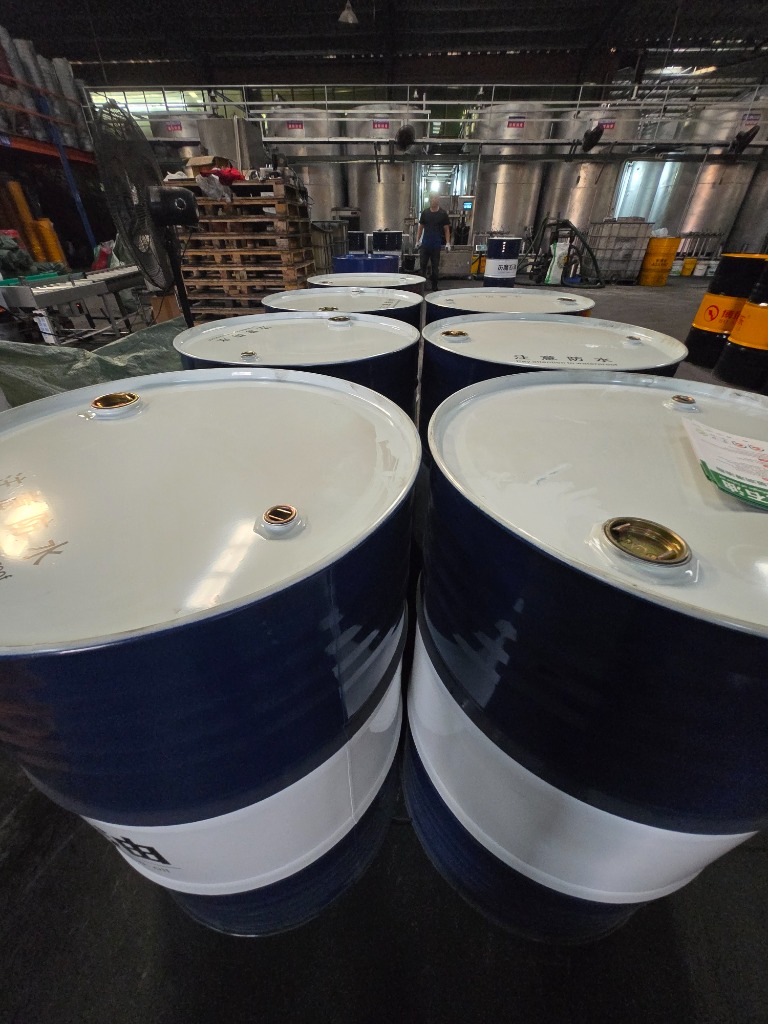
8. FOSS Manufacturing Infrastructure & Quality Assurance Protocols (High-Definition Workshop Proof)
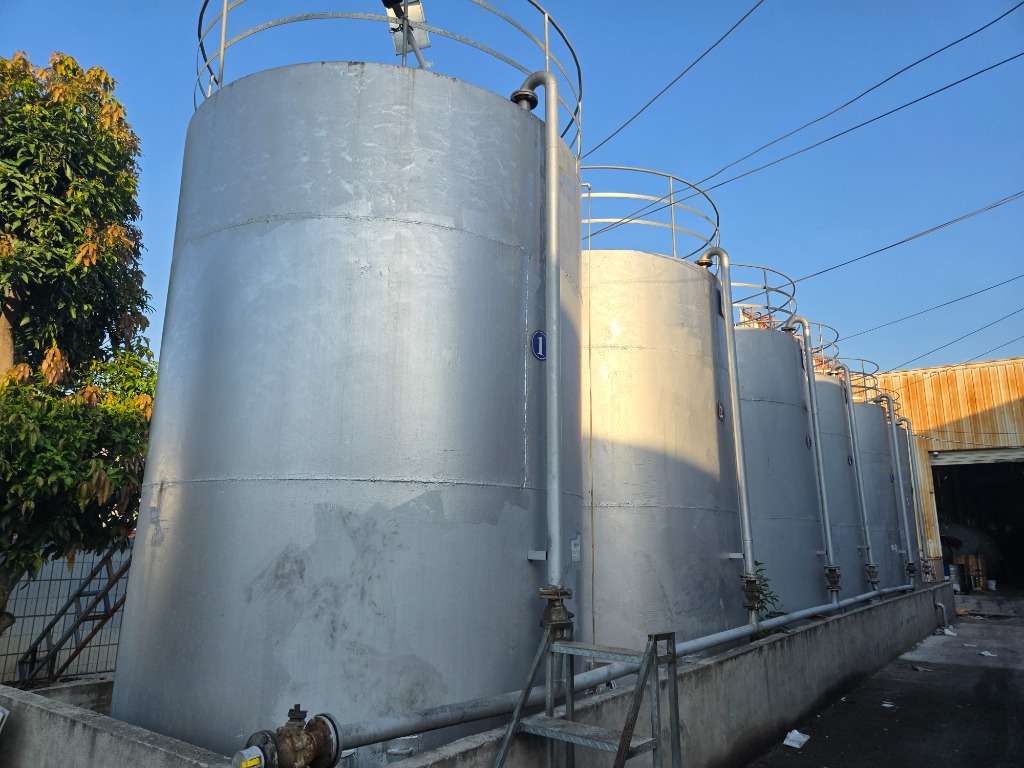
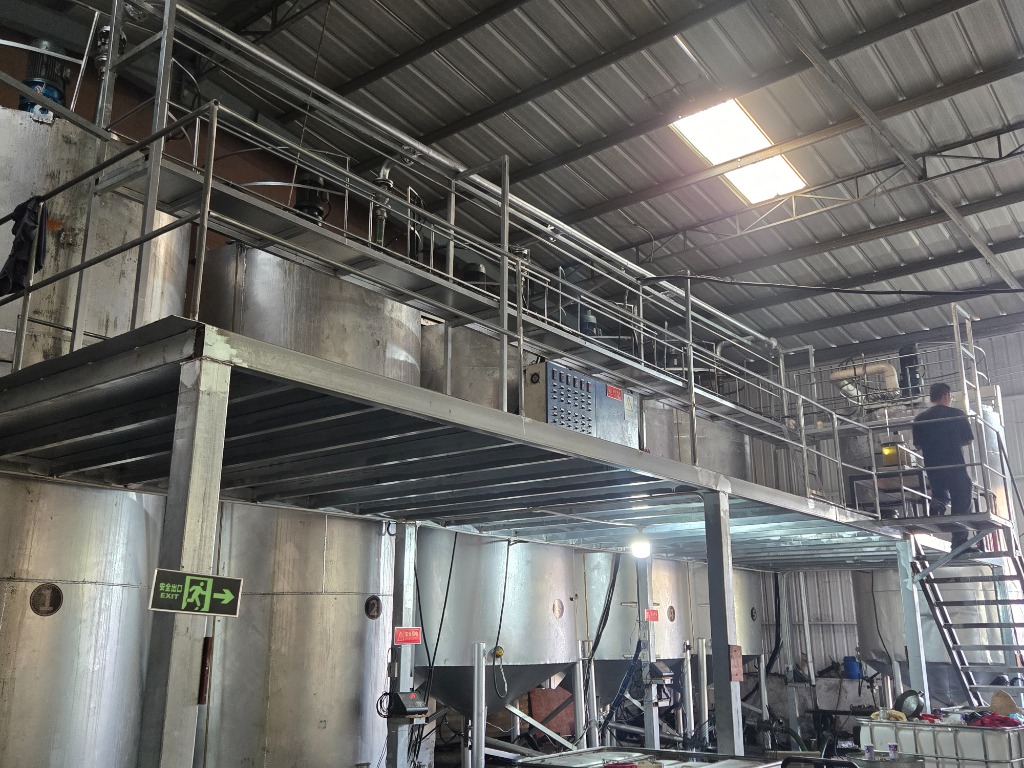
Operating from our primary manufacturing and compounding facility in Quanzhou, Fujian Province, Quanzhou Foss Lubrication Technology Co., Ltd. (泉州市福斯润滑科技有限公司) maintains an annual production capacity exceeding 20,000 metric tons of industrial lubricants, marine fluids, and automotive lubricants.
To maintain strict compliance with international DIN, ISO, ASTM, and OEM specifications, FOSS has engineered an automated, closed-loop blending infrastructure designed to completely eliminate cross-batch contamination:
- Automated Mass Blending Mezzanine: High-precision load-cell metering vessels automatically dose virgin base oils and chemical additives by mass (rather than volume), compensating dynamically for thermal fluid expansion and ensuring batch repeatability within ±0.05%.
- Dedicated Pigging Manifolds: Distinct piping manifolds are maintained for zinc-based anti-wear hydraulic fluids, ashless zinc-free fluids, and heavy industrial gear oils. High-velocity polyurethane pigging bullets purge transfer lines between production cycles.
- Nitrogen Blanket Headspace Purging: During high-speed drum filling, container headspaces are purged with dry nitrogen gas prior to bung torque sealing. This eliminates atmospheric moisture condensation and prevents dissolved oxygen from initiating fluid oxidation during ocean transit.
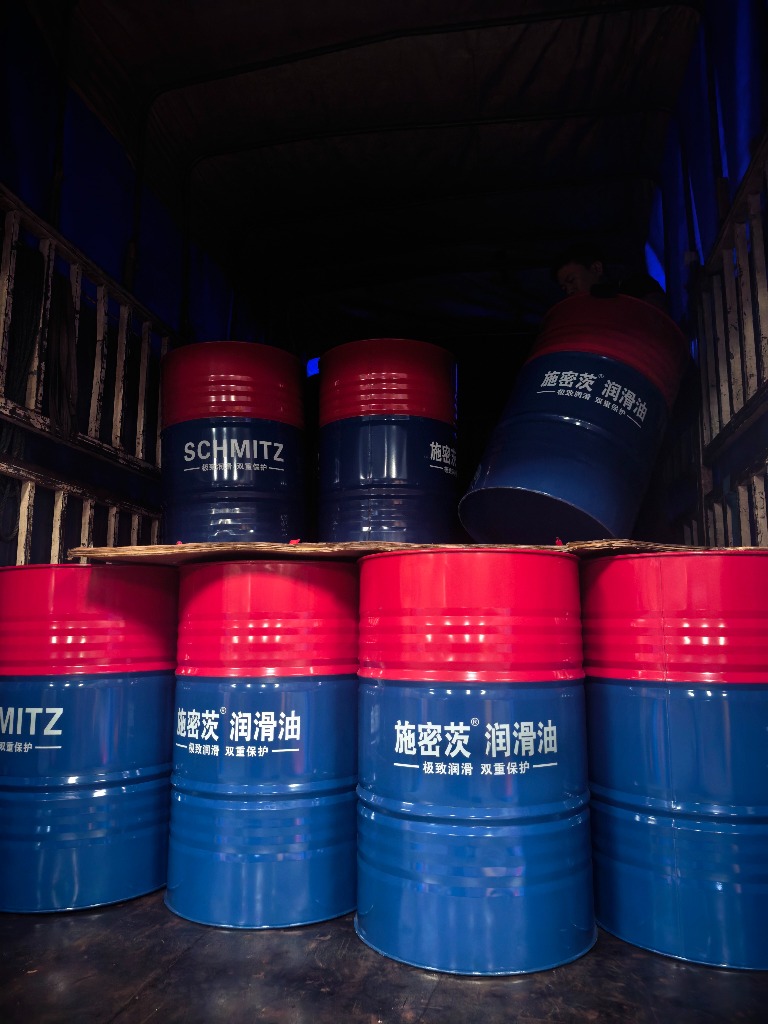
Every export batch undergoes mandatory eight-parameter laboratory testing certified by an official pre-shipment Certificate of Analysis (CoA):
- ASTM D445 Kinematic Viscosity: Verified at 40°C (41.4 – 50.6 mm²/s for ISO VG 46) and 100°C using calibrated Ubbelohde capillary viscometers.
- ASTM D2270 Viscosity Index: Minimum 100 for standard L-HM; minimum 150 for wide-temperature L-HV multi-grade fluids.
- ASTM D92 Flash Point (Cleveland Open Cup): Exceeding 225°C, guaranteeing operational safety under high-temperature hydraulic duty cycles.
- ASTM D97 Pour Point: Maximum -15°C for L-HM 46; down to -39°C for L-HV 46, ensuring cold-start fluid pumpability.
- ASTM D665 Rust Prevention (Synthetic Seawater): Zero rust spots on polished steel test rods after 24 hours of vigorous mechanical agitation at 60°C.
- ASTM D1401 Water Demulsibility: Complete 40-37-3 phase separation achieved in ≤ 15 minutes, preventing water entrapment in hydraulic reservoirs.
- ASTM D892 Foaming Characteristics: Sequence I, II, and III foam tendency ≤ 25 mL, foam stability 0 mL, guarding against servo valve cavitation and erratic actuator response.
- ISO 4406 Particle Cleanliness Class: Delivered at certified Class 17/15/12 or cleaner, safeguarding proportional valves against abrasive silt wear.
9. Finished Product Transmission Mechanics: Anti-Wear Hydraulic Oils & Industrial Heavy-Duty Oils
A critical question for international procurement directors is: How rapidly does a surge in upstream crude and base oil translate into higher finished lubricant prices at the factory gate?
Historical pricing audits tracking Asian export contracts demonstrate that the cost transmission mechanism does not occur overnight; it follows a predictable two-stage lag:
- Phase 1: Spot Price Freezes & Margin Compression (Days 0 to 7): Base oil refiners immediately halt spot volume discounts and cancel open tender offers. Primary blenders absorb marginal feedstock cost increases within existing commercial price lists while shortening proforma quote validity from 30 days down to 5 to 7 days.
- Phase 2: Formal Catalog Revision & Export Surcharges (Days 8 to 21): Blenders exhaust pre-purchased tank storage and are compelled to publish formal upward adjustments on finished drum and IBC catalogs. Export offers from coastal Chinese ports adjust by $2.00 to $5.00 per drum.
During sharp crude and base oil rallies, uncertified blenders facing margin compression frequently resort to adulterating virgin Group II base stocks with 15% to 30% recycled waste oils (RRBO). Recycled oils contain residual chlorinated solvents, oxidation polymers, and polycyclic aromatics that cause rapid fluid darkening, early ZDDP additive depletion, and abrasive varnish deposition in hydraulic valves. FOSS strictly enforces a contractual 100% virgin hydrocracked base oil guarantee, verified by Fourier-Transform Infrared (FTIR) spectroscopy on every container dispatch.
10. Definitive 3-Day Multi-Grade Price Trajectory Matrix (FOB Xiamen Export Projections)
Synthesized by the FOSS Quantitative Energy Modeling Desk based on prompt ICE Brent movements, regional base oil tank farm drawdowns, and active chemical tanker shipping schedules, the following table presents the official 72-hour price trajectory for our primary export lubricants:
11. Strategic Sourcing & Hedging Directives for Global Procurement Importers
In a volatile macroeconomic and geopolitical environment, reactive spot procurement exposes overseas distributors and fleet operators to substantial commercial margin erosion. The FOSS Lubrication Strategic Advisory Desk recommends four concrete operational hedging protocols for managing Q4 procurement:
Lock 60-Day Container Allocations under 30-Day PI Validity
Rather than placing fragmented monthly orders, negotiate a 60-day volume purchase agreement. FOSS Lubrication provides formal Proforma Invoices (PI) with guaranteed 30-day price locks upon receipt of a 20% advance deposit. This mechanism isolates your procurement budget against intervening crude spikes.
Maximize 20GP Container Freight Utilization (80 Drums / 16,640L)
Container ocean freight rates are billed per container box, not per drum. Ordering less than full container load (LCL) incurs substantial freight penalties. Standardize on the proven two-tier 80-drum palletized layout (16,640 liters net / ~15.8 MT gross) to minimize per-liter landed logistics overhead.
Enforce Mandatory Batch ASTM CoA Verification & Retention Retains
Contractually require pre-shipment laboratory Certificates of Analysis verifying ASTM D445 viscosity, ASTM D2270 VI, ASTM D92 flash point, ASTM D97 pour point, and ASTM D1401 demulsibility. FOSS archives dual 1-liter retention samples from every export production batch for 12 months in our Quanzhou QA center.
Harmonize Plant Lubricant Portfolios on Universal ISO VG 46
Over 70% of modern industrial hydraulic machinery (injection molding, metal stamping, excavators) operates optimally on ISO VG 46. Harmonizing multiple plant facilities to a single versatile grade consolidates purchasing volume, secures higher tiered volume discounts, and eliminates redundant warehouse SKUs.
Definitive 3-Day Lubricant & Base Oil Trend Forecast
Synthesized by the FOSS Quantitative Energy Modeling Desk based on active shipping line container bookings, regional tank farm draw-down rates, and prompt ICE Brent futures sentiment:
Brent crude challenges the critical $80.00 psychological resistance; spot API Group II 150N offers cross $1,005/MT across Northeast Asian export terminals.
Chemical parcel tanker bunker surcharges and war-risk premiums compound; Asian finished hydraulic oil export quotes adjust upward by $1.80–$2.20 per 208L drum.
Refiners enforce strict 3-day quote validity on vacuum gas oil (VGO) derivatives; overseas distributors accelerate 20GP container bookings under FOSS 30-day price-lock terms.
5. Strategic Sourcing & Hedging Directives for Overseas Importers
For overseas procurement directors, fleet operators, and industrial distributors, market volatility represents both operational risk and competitive opportunity. We recommend the following three concrete actions for managing Q4 procurement:
Lock 60-Day Container Requirements
Secure firm proforma invoices (PI) with 30-day price validity. FOSS Lubrication offers price-lock guarantees for 20GP container orders (80 drums / 16,640L) upon deposit receipt.
Audit Laboratory CoA Verification
Demand full pre-shipment ASTM test parameters: kinematic viscosity at 40°C / 100°C, viscosity index ≥ 100, flash point ≥ 220°C, pour point ≤ -15°C, and zero moisture contamination.
FOSS Lubrication: Factory-Direct Precision Engineering
Operating out of Quanzhou, China, FOSS blends over 20,000 MT annually of ISO VG 32/46/68 anti-wear hydraulic oils, CK-4 heavy-duty engine oils, and industrial gear lubricants. Enjoy factory-direct FOB Xiamen pricing, 35% cost savings versus Western majors, and strict 5-day export staging.