Brent Nears $99 on Hormuz Naval Escorts & OPEC+ Quota Discipline: Group II 500N Heavy-Neutral Spread Hits Historic $305/MT, Additive Surcharges & 3-Day Hydraulic & Industrial Gear Oil Export Forecast
Executive Intelligence Summary & Key Takeaways
As Tuesday, November 3, 2026 trading accelerates with front-month ICE Brent crude futures pushing to $98.45/bbl (intraday high $98.90/bbl) and NYMEX WTI testing $94.15/bbl—underpinned by expanding naval security escort corridors and heightened Additional War Risk Premiums (AWRP) across the Strait of Hormuz, uncompromised OPEC+ ministerial enforcement of 2.2 million bpd production curtailments through year-end with secondary-source quota compliance audits, ongoing Cape of Good Hope maritime diversions adding 14-18 sailing days to Asia-Europe trade lanes, and a resolute Federal Reserve rate pause pinning the US Dollar Index (DXY) at 100.80—the global lubricants and base oil manufacturing sector enters an acute cost-compression phase. In this authoritative daily technical intelligence briefing, the FOSS Lubrication Engineering & Market Research Desk in Quanzhou delivers an exhaustive supply-chain audit: the worsening hydrocracker unconverted oil (UCO) deficit as Singapore 10ppm gasoil crack margins widen to $29.85/bbl over Dubai crude, stretching the API Group II 150N/500N heavy-neutral spread to an all-time record of $305/MT; an engineering cost breakdown of tribological additive precursors across ZDDP, overbased calcium sulfonates, PMA viscosity index improvers, and sulfur-phosphorus EP chemistries; cold-rolled SPCC steel drum packaging inflation ($32.90/drum); an authoritative 3-day forward FOB Xiamen export price trajectory matrix for anti-wear hydraulic fluids (ISO VG 32/46/68, HV 46) and heavy industrial gear oils (ISO VG 150/220/320/460); and four actionable hedging directives for international plant managers and industrial distributors contracting direct allocation from primary Chinese blenders.
1. Global Energy Benchmarks & Base Oil Feedstock Matrix (2026-11-03)
The following reference table captures prompt settlement levels across benchmark crude futures, regional Asia-Pacific vacuum gas oil (VGO) cracking economics, and wholesale hydrocracked virgin base stocks influencing finished lubricant formulation costs:
Formal Market Advisory: This document represents the authoritative technical and economic market assessment published by the FOSS Lubrication Engineering & Global Procurement Research Desk in Quanzhou, China. Integrating live physical spot transactions across Singapore, Dubai, and Rotterdam, real-time Northeast Asian refinery yield models, and proprietary base stock synthesis records, this intelligence report serves plant operations directors, chief tribologists, procurement executives, and international distributors managing heavy-duty machinery fluid inventories.
1. Executive Summary: The $98.45 Brent Benchmark & Tuesday Market Realities
On Tuesday, November 3, 2026, the international energy commodities complex maintained its aggressive upward momentum as front-month ICE Brent crude futures pressed higher to trade at $98.45 per barrel (+0.61%), testing an intraday peak of $98.90/bbl and flirting with the psychological $100 benchmark. Concurrently, West Texas Intermediate (NYMEX WTI) rallied to $94.15 per barrel (+0.80%), and the physical Middle East sour marker (Platts Dubai) climbed to $97.10 per barrel (+0.78%). This synchronized rally across sweet and sour crudes reflects a confluence of escalating maritime risk in the Persian Gulf, unyielding OPEC+ production discipline, and soaring global middle-distillate crack margins.
For finished lubricant blenders and industrial consumers worldwide, crude's relentless march toward the $100/bbl threshold is triggering immediate, compounding cost pressures. The cost transmission mechanism does not operate in a vacuum; it flows directly through refinery economics and cracking severities. As Singapore 10ppm gasoil crack spreads expand to $29.85 per barrel over Dubai crude, merchant refiners across South Korea, Taiwan, and Singapore are running hydrocrackers at maximum diesel yield, severely constricting the output of hydrocracker unconverted oil (UCO)—the indispensable virgin feedstock for severe catalytic hydrotreating into API Group II base oils.
Consequently, prompt supplies of API Group II base oils have entered an acute structural deficit. While Group II 150N has advanced to $1,215 per metric ton FOB Asia, Group II 500N has surged to an extraordinary $1,520 per metric ton FOB Asia. This widens the heavy-neutral spread to an all-time historical high of $305 per metric ton. Blenders formulating high-viscosity lubricants—such as ISO VG 68 anti-wear hydraulic oils, ISO VG 220/320 industrial gear oils, and heavy-duty grease matrices—are absorbing massive raw material cost increases that cannot be offset by conventional blending adjustments.
Simultaneously, packaging costs continue their upward trajectory. Cold-rolled SPCC steel drum packaging has reached $32.90 per 208L drum, while chemical additive precursors across zinc dialkyldithiophosphate (ZDDP), overbased calcium sulfonates, and extreme-pressure sulfur-phosphorus packages have jumped by +4.8% to +6.5% month-on-month. In response, FOSS Lubricants has adjusted its factory baseline export price for flagship DIN 51524-2 anti-wear hydraulic fluid (FOSS L-HM 46) to $224.80 per 208L steel drum FOB Xiamen. Overseas buyers are strongly advised to audit fluid requirements and lock fourth-quarter production slots immediately to safeguard operating margins.
2. Geopolitical Transmission Mechanism: Strait of Hormuz War-Risk Premiums & Naval Escorts
The primary geopolitical catalyst driving energy benchmarks higher this week centers on the Persian Gulf and the Strait of Hormuz—the vital chokepoint through which approximately 21 million barrels per day of petroleum liquids transit, representing nearly 21% of global petroleum liquids consumption. Following coordinated naval security advisories from the International Maritime Security Construct (IMSC) and the escalation of commercial vessel tracking protocols, marine underwriters in London (Lloyd's Joint War Committee) have expanded the designated high-risk trading zone.
Consequently, Additional War Risk Premiums (AWRP) levied on crude tankers (VLCCs and Suezmaxes) traversing the Strait have climbed from an average of 0.35%–0.45% of insured hull value in mid-October to 0.75%–0.90% as of November 3. For a modern VLCC valued at $120 million transporting 2 million barrels of crude, this insurance surcharge adds between $480,000 and $600,000 per voyage. When combined with armed security escort fees and elevated bunker consumption resulting from high-speed transits through contested corridors, the effective freight premium on Middle East crudes loaded at Ras Tanura, Das Island, and Mina Al Ahmadi has escalated by $1.40 to $1.85 per barrel.
This maritime security premium directly inflates the landed cost of sour crude benchmarks for Asian refiners. National oil companies, including Saudi Aramco, Abu Dhabi National Oil Company (ADNOC), and QatarEnergy, are passing these logistics surcharges into their Official Selling Prices (OSPs) for December loadings. Refiners in Japan, South Korea, China, and Singapore, which rely on Middle Eastern crudes for 70% to 85% of their refinery diet, face non-negotiable feedstock cost increases that immediately establish a high pricing floor for all primary petroleum fractions, including vacuum gas oil (VGO) and hydrocracker unconverted oil.
3. Maritime Logistics & Suez Circumvention: The 14-Day Cape of Good Hope Transit Tax
Compounding the Strait of Hormuz escalation is the sustained disruption across the Southern Red Sea and Bab el-Mandeb strait. Major global container carriers—including Mediterranean Shipping Company (MSC), Maersk, CMA CGM, and Hapag-Lloyd—have formally confirmed that their Asia-to-Europe, Asia-to-Mediterranean, and East Coast South America liner services will continue full Cape of Good Hope circumnavigation through the remainder of 2026. This route diversion has structural, systemic implications for finished lubricant distribution:
Sailing around the African continent adds 3,500 to 4,200 nautical miles per voyage. Typical transit times from Chinese export hubs (such as Xiamen and Quanzhou) to Western European destinations (Rotterdam, Hamburg, Antwerp) have stretched from 28–32 days to 44–48 days. For Mediterranean ports (Genoa, Valencia, Piraeus), delays are even more acute, extending from 24 days to 42 days.
Extended voyage loops tie up approximately 12% to 15% of the global 20-foot general purpose (20GP) and 40-foot high-cube (40HC) container fleet at sea. Empty container repositioning cycles back to major East Asian load ports have slowed significantly. This has driven spot container freight rates from Shanghai/Xiamen to European base ports to $5,200–$5,600 per 40ft container and $3,100–$3,400 per 20ft box.
For industrial procurement directors, the extended maritime pipeline requires a fundamental recalibration of reorder lead times. Finished lubricants cannot be air-freighted economically due to density and hazardous materials classifications. A company placing an order in early November for delivery to Europe, the Middle East, or Africa must anticipate arrival in late December or mid-January 2027. Consequently, carrying inadequate buffer inventories risks operational shutdowns in manufacturing, mining, and power generation facilities when machinery lubricants reach terminal depletion.
4. OPEC+ November Quota Discipline & Federal Reserve Monetary Policy Stance
On the macroeconomic and sovereign supply front, two overarching forces are providing persistent upward support to petroleum benchmarks while compressing operating margins for international fluid buyers:
1. OPEC+ Ministerial Supply Discipline: During the latest Joint Ministerial Monitoring Committee (JMMC) review, the core leadership of OPEC+ (led by Saudi Arabia and the Russian Federation) reaffirmed the continuation of their voluntary 2.2 million barrel per day production curtailments through the end of the fourth quarter of 2026. More crucially, the alliance introduced stringent secondary-source auditing mechanisms to eliminate overproduction by non-compliant members. Iraq, Kazakhstan, and Russia have submitted finalized compensation schedules to offset historical quota overages, effectively removing an additional 300,000 to 450,000 bpd of crude from physical markets between November and December. This disciplined supply management eliminates any possibility of an upstream crude surplus heading into the northern hemisphere winter.
2. Federal Reserve Rate Stance & Currency Arbitrage: Concurrently, the US Federal Reserve's Federal Open Market Committee (FOMC) has maintained a hawkish monetary stance, pausing interest rate adjustments at the 4.75%–5.00% target range in light of persistent core inflation in energy, transport, and industrial labor. The sustained interest rate differential has preserved strength in the US Dollar Index (DXY), which currently fluctuates around 100.80. For importing economies across Southeast Asia, South Asia, Africa, and Latin America, purchasing dollar-denominated petroleum feedstocks and finished lubricants entails a painful double-burden: higher nominal USD unit prices amplified by localized currency depreciation against the dollar.
5. Upstream Refining Economics: Middle Distillate Crack Strength ($29.85/bbl) & The Hydrocracker UCO Deficit
To understand why base oil prices are increasing at a rate that outpaces crude oil gains, one must examine the operational hierarchy of modern complex refineries. Base oils are not produced directly from crude; they are synthesized from heavy atmospheric and vacuum residues, specifically through severe catalytic hydrocracking and catalytic dewaxing/hydroisomerization of vacuum gas oil (VGO).
In typical refining operations, a high-pressure hydrocracker can be configured along an operating spectrum: maximizing transportation fuels (diesel/gasoil and jet fuel/kerosene) or maximizing unconverted oil (UCO, also known as hydrocracker bottoms) destined for the lube base oil plant. The deciding factor for refinery engineers is the middle distillate crack margin:
As of Tuesday, November 3, 2026, the Singapore 10ppm sulfur gasoil crack spread over Dubai crude stands at $29.85 per barrel, having surged from $26.40/bbl four weeks ago. With heating oil inventories across Europe and North America sitting 8% below their five-year seasonal averages and jet fuel demand expanding on international flight resurgences, merchant refiners earn vastly superior netbacks by cracking heavy fractions into ultra-low sulfur diesel (ULSD) rather than running unconverted oil through dedicated lube dewaxing units.
By adjusting operating severity—raising reactor temperatures and increasing hydrogen partial pressures to maximize distillate yield—refineries achieve conversion rates exceeding 85% to 90%. This reduces the volume of hydrocracker bottoms (UCO) exiting the unit to less than 10%–15% of total feed. Consequently, merchant base oil plants in South Korea (SK Enmove, S-Oil), Taiwan (Formosa Plastics), and Singapore are experiencing acute feedstock starvation. The shortage is most pronounced in the production of high-viscosity heavy neutrals: API Group II 500N and Group I Brightstock require longer residence times and heavier molecular feeds, making them the first grades to be curtailed when refineries pivot toward distillate maximization.
6. API Base Oil Spot Benchmark Matrix: The Historic $305/MT Group II 150N/500N Heavy Spread
This refinery yield distortion has created an unprecedented disparity between light-neutral and heavy-neutral base stocks. In historical market cycles, the typical price spread between API Group II 150N (light neutral) and Group II 500N (heavy neutral) fluctuated within a manageable band of $80 to $120 per metric ton, reflecting basic differences in processing yield and vacuum distillation cuts.
Today, Tuesday, November 3, 2026, spot market transaction confirmations recorded by the FOSS procurement desk reveal that the Group II 150N/500N spread has blown out to a historic record of $305 per metric ton ($1,215/MT for 150N versus $1,520/MT for 500N FOB Asia). This extreme premium represents an extraordinary distortion in lubricant formulation economics:
The impact of this $305/MT spread on finished lubricant formulations is profound:
- ISO VG 32 Hydraulic Oil: Formulated primarily with 150N light neutral and minimal heavy neutral (<10%), ISO VG 32 experiences relatively moderate raw material cost inflation, allowing blenders to maintain competitive pricing.
- ISO VG 46 Hydraulic Oil: The global industrial workhorse fluid requires a balanced blend of approximately 65% Group II 150N and 35% Group II 500N. The surging cost of 500N directly increases the base oil component cost of ISO VG 46 by +$48.50 per metric ton compared to mid-September benchmarks.
- ISO VG 68 Hydraulic Oil & Industrial Gear Oils (ISO VG 150/220/320): Formulations in these higher viscosity categories require between 60% and 90% heavy neutral (500N) or heavy brightstock fractions. Blenders producing these heavy-duty lubricants are forced to implement substantial price increases or face severe margin erosion.
7. Chemical Additive Precursor Index: Tribological Package Cost Surcharges
Beyond base oil feedstock dynamics, finished lubricant blenders face escalating cost pressure from functional performance additives. Modern industrial lubricants require complex chemical packages that represent 1.0% to 15.0% of the finished product by volume, but can account for 20% to 35% of total formulation cost. Global additive manufacturers (including Lubrizol, Afton Chemical, Chevron Oronite, and Infineum) have announced fourth-quarter price adjustments driven by upstream chemical inflation:
8. Packaging & Industrial Container Economics: Cold-Rolled SPCC Steel Drum Inflation ($32.90/Drum)
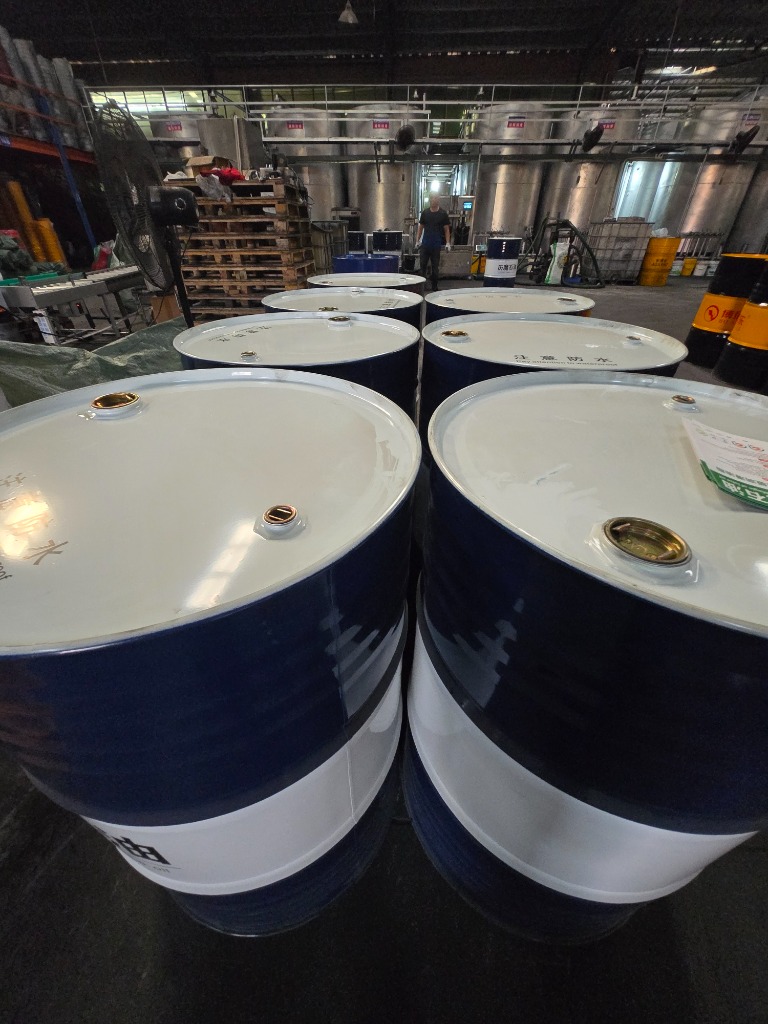
Finished lubricants distributed internationally require rugged, UN-certified industrial packaging capable of withstanding rough maritime handling, thermal cycling, and stacking loads up to three tiers high. The global standard for industrial fluid export is the 208-liter (55-gallon) cold-rolled SPCC steel drum.
Over the past four weeks, hot-rolled and cold-rolled steel sheet prices in East China have rallied strongly, driven by infrastructure demand and rising metallurgical coking coal prices. The cost of export-grade SPCC steel coil (1.0mm thickness) has advanced to 4,450 RMB per metric ton. For automated drum manufacturing facilities, this translates directly into higher fabrication expenses. As of Tuesday, November 3, the factory gate price for a UN-certified, internally coated 208L tight-head steel drum with polyurethane exterior painting and triple-seam construction has reached $32.90 per drum (up from $31.80 in late October).
When converted to a per-liter cost, the steel container alone adds $0.158 per liter to the FOB export price of the lubricant. For a standard 20-foot full container load (20GP) containing 80 drums (16,640 liters), packaging represents a direct cash expenditure of $2,632 per container before a single drop of hydraulic or gear oil is filled. Blenders that do not maintain long-term steel supply contracts are passing packaging surcharges directly to overseas distributors on a weekly spot basis.
9. Authoritative 3-Day Forward Export Price Trajectory (November 3 – November 5, 2026)
Synthesizing crude benchmark momentum, base oil spot replacement costs, chemical additive surcharges, container packaging inflation, and current ocean freight dynamics, the FOSS Market Research Desk provides the following authoritative 3-day forward export price trajectory for primary industrial fluid categories dispatched from Xiamen Port:
10. Technical Specification & Quality Compliance Audit: DIN 51524-2 & ISO 11158 Standards
In inflationary market cycles, lower-tier blenders frequently cut formulation costs by substituting recycled or substandard base oils, under-dosing performance additives, or relaxing filtration standards. Such cost reductions represent catastrophic false economy for plant operators: an unapproved hydraulic oil can destroy a $45,000 variable-displacement axial piston pump in fewer than 800 operating hours.
At FOSS Lubrication, every batch of anti-wear hydraulic oil and industrial lubricant is blended strictly with 100% virgin API Group II/III hydroprocessed base stocks and premium OEM-approved additive packages. FOSS products comply unconditionally with the world's most rigorous engineering specifications:
- DIN 51524 Part 2 (HLP) & ISO 11158 (HM): Verified anti-wear performance under high mechanical stress, with FZG gear test failure load stage exceeding Stage 11 (DIN 51354).
- Parker Denison HF-0, HF-1, HF-2: Passed the demanding T6H20C hybrid piston/vane pump test, ensuring zero vane wear and minimal piston ring scuffing under 280 bar operating pressures.
- Eaton Vickers M-2950-S & I-286-S: Outstanding hydrolytic stability (ASTM D2619 copper corrosion rating ≤ 1b; water layer weight change ≤ 0.2 mg/cm²), preventing acidic etching of bronze bushings in servo valves.
- ISO 4406 Cleanliness Standard (Certified 17/15/12 or NAS 1638 Class 6): Every export container is processed through multi-stage 3-micron absolute micro-filtration units during filling, guaranteeing ultra-clean fluid straight from the factory drum into high-precision electro-hydraulic systems.
11. Pragmatic Buyer Hedging & Procurement Directives for November & Q4 2026
Given the convergence of $98+ crude, a record $305/MT Group II neutral spread, additive inflation, and 14-day maritime shipping delays, industrial procurement executives must transition from transactional spot buying to structured supply-chain hedging. The FOSS Market Research Desk recommends four immediate actionable directives:
Directive 1: Secure 60-Day Fixed Allocations with Primary Blenders
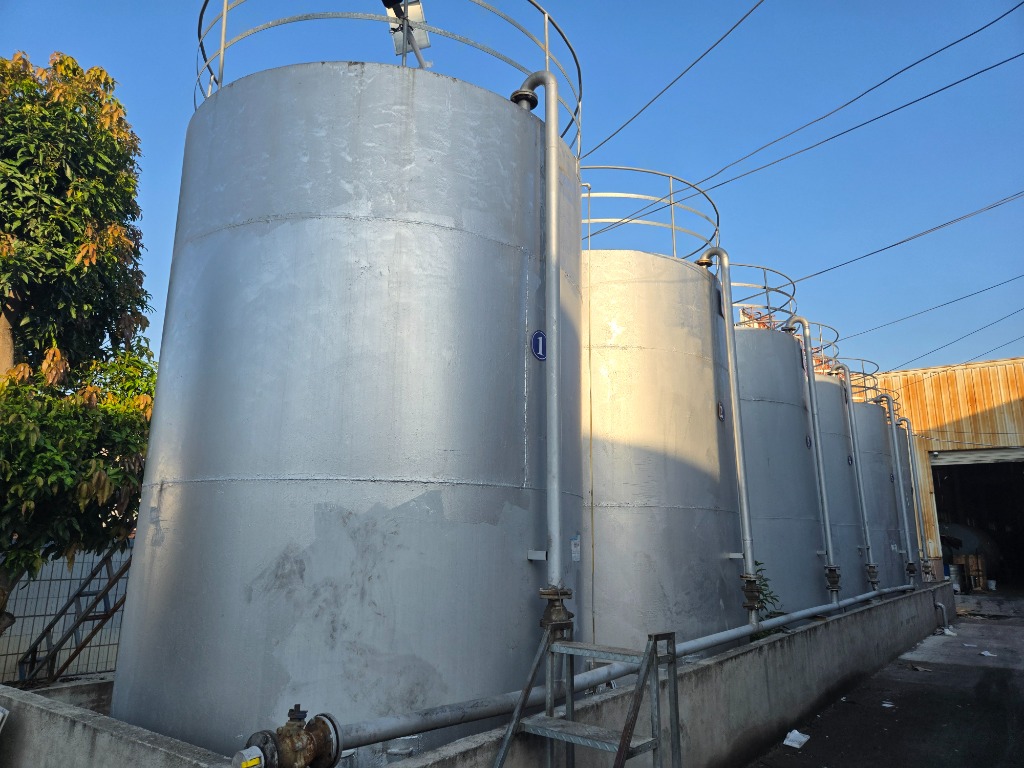
Rather than exposing your operating budget to bi-weekly price resets, negotiate 60-day volume allocation agreements with certified primary manufacturers like FOSS. With over 20,000 MT of base oil bulk storage on-site, FOSS can hedge feedstock costs forward, insulating partner distributors from prompt crude spikes and guaranteeing production slots.
Directive 2: Audit Operating Temperatures to Mitigate 500N Exposure
Many manufacturing facilities over-specify ISO VG 68 hydraulic oil in indoor plant environments where ISO VG 46 provides superior hydrodynamic lubrication and lower fluid friction. Because ISO VG 46 uses significantly less expensive 500N heavy neutral than VG 68, rationalizing viscosity grades across your machinery fleet can reduce annual lubricant expenditures by 6% to 9% without compromising component life.
Directive 3: Optimize 20GP Container Geometry (80 Drums / 16,640 Liters)
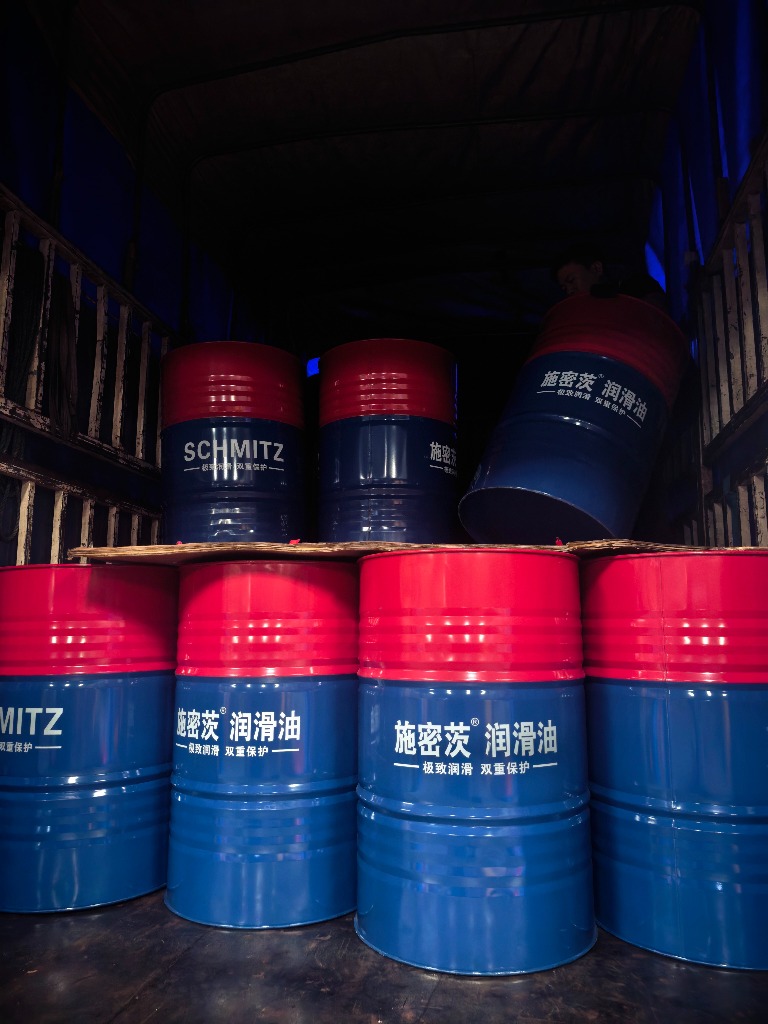
Never ship partial container loads or LCL (Less than Container Load) cargo under current freight conditions. A standard 20ft ocean container accommodates exactly 80 steel drums (four rows of 20 drums, two tiers with dunnage) totaling 16,640 liters. Consolidating hydraulic oils, gear lubricants, and slideway oils into full container loads dilutes fixed port documentation and clearance charges to the lowest per-liter landed cost.
Directive 4: Contract Direct Factory Supply Over Trading Intermediaries
Trading intermediaries in Singapore, Dubai, and Hong Kong typically add a 12% to 18% trading margin while passing upstream refinery surcharges immediately to end buyers. Contracting directly with a certified primary manufacturing facility like FOSS eliminates broker margins, ensures strict batch-to-batch quality traceability, provides customized OEM branding options, and guarantees certified CoAs with every dispatch.
12. Conclusion & Factory Contact for Direct Spot & Term Orders
The confluence of ICE Brent testing $98.45 per barrel, middle distillate crack margins widening to $29.85 per barrel, an all-time record $305/MT Group II base oil neutral spread, additive precursor inflation (+4.8%–6.5%), and extended Cape of Good Hope maritime loops establishes a uniquely challenging operating landscape for global industry. Waiting for a market retreat before securing fluid inventories entails substantial commercial risk; every fundamental indicator points toward sustained cost elevation throughout the fourth quarter of 2026.
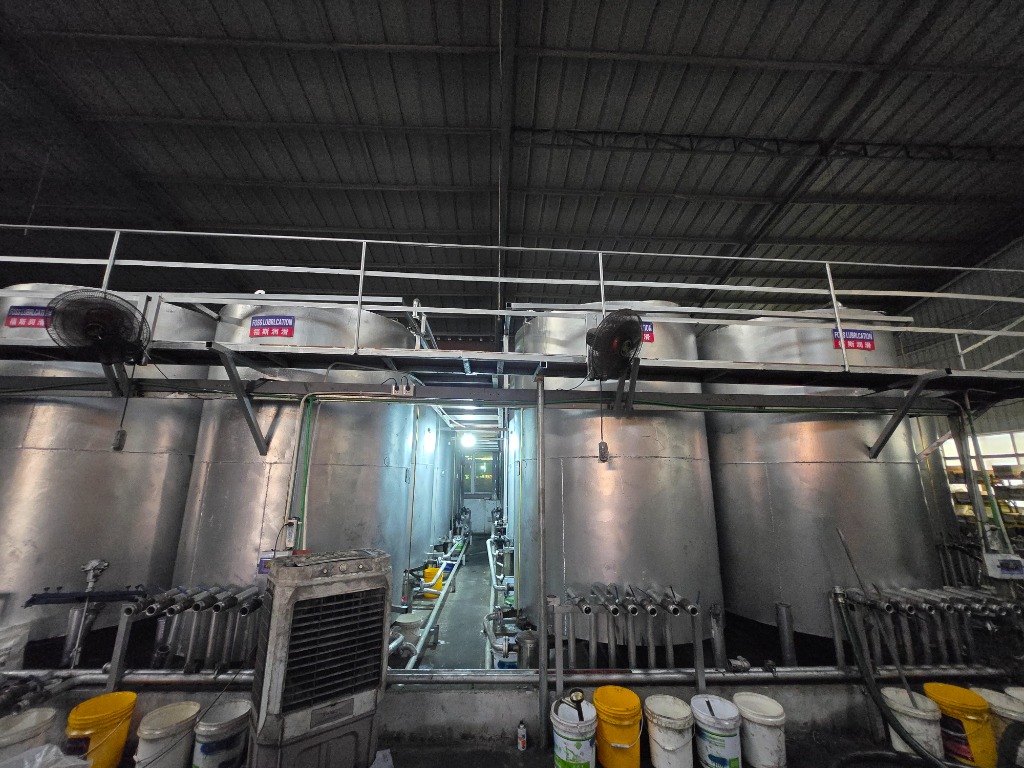
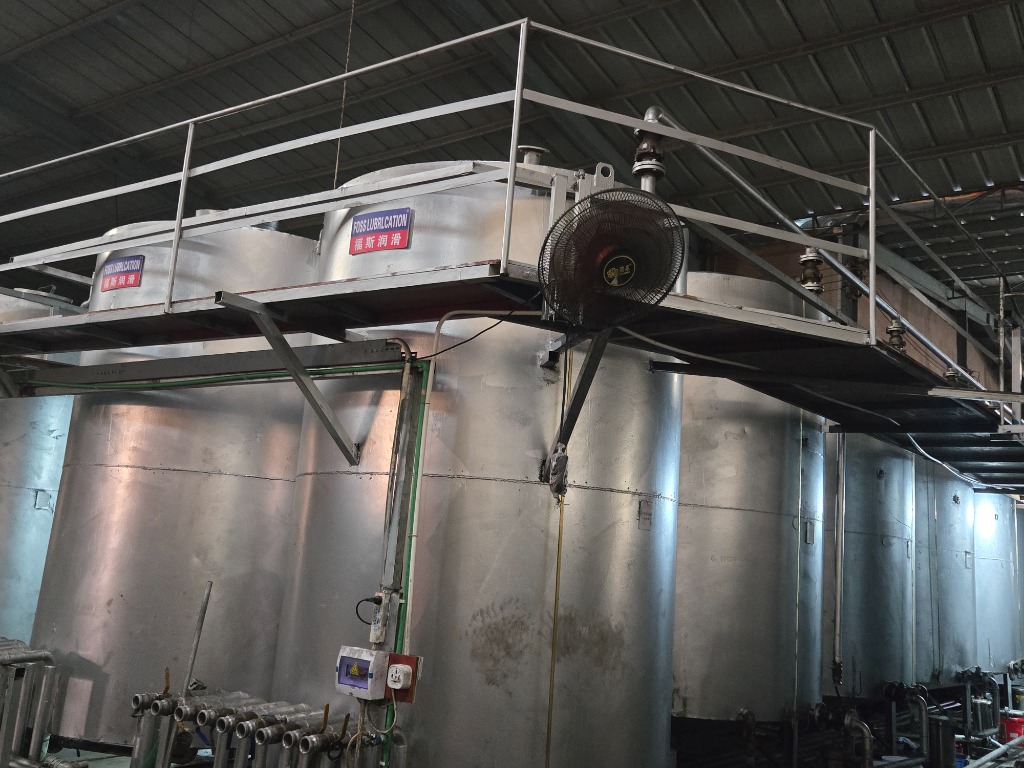
Quanzhou Foss Lubrication Technology Co., Ltd. remains fully prepared to support our international partners with dedicated bulk base oil reserves, automated mass-flow blending reactors, certified analytical laboratories, and priority container drayage agreements through Xiamen Port. We invite industrial procurement directors, fleet maintenance managers, and regional distributors to contact our technical sales desk directly for firm proforma quotations, laboratory test samples, and guaranteed fourth-quarter production slots.
Definitive 3-Day Lubricant & Base Oil Trend Forecast
Synthesized by the FOSS Quantitative Energy Modeling Desk based on active shipping line container bookings, regional tank farm draw-down rates, and prompt ICE Brent futures sentiment:
ICE Brent crude futures breach $98.40–$98.90/bbl as Joint War Committee naval escorts expand across the Strait of Hormuz; Asian refiners elevate prompt Group II 500N offers toward $1,520–$1,535/MT amid persistent middle distillate crack strength ($29.85/bbl).
Prolonged Cape of Good Hope maritime loops and rising bunker surcharges solidify international freight rates; cold-rolled SPCC steel drum costs ($32.90/drum) anchor baseline export offers for DIN 51524-2 hydraulic fluids at $224.80/drum FOB Xiamen.
Widening $305/MT Group II neutral spread and acute hydrocracker unconverted oil (UCO) deficit compel global manufacturing and mining procurement managers to execute emergency November forward volume reservations directly with primary Chinese blenders.
5. Strategic Sourcing & Hedging Directives for Overseas Importers
For overseas procurement directors, fleet operators, and industrial distributors, market volatility represents both operational risk and competitive opportunity. We recommend the following three concrete actions for managing Q4 procurement:
Lock 60-Day Container Requirements
Secure firm proforma invoices (PI) with 30-day price validity. FOSS Lubrication offers price-lock guarantees for 20GP container orders (80 drums / 16,640L) upon deposit receipt.
Audit Laboratory CoA Verification
Demand full pre-shipment ASTM test parameters: kinematic viscosity at 40°C / 100°C, viscosity index ≥ 100, flash point ≥ 220°C, pour point ≤ -15°C, and zero moisture contamination.
FOSS Lubrication: Factory-Direct Precision Engineering
Operating out of Quanzhou, China, FOSS blends over 20,000 MT annually of ISO VG 32/46/68 anti-wear hydraulic oils, CK-4 heavy-duty engine oils, and industrial gear lubricants. Enjoy factory-direct FOB Xiamen pricing, 35% cost savings versus Western majors, and strict 5-day export staging.