Brent Retreats to $91.85 on IEA Q4 Surplus & Hawkish Fed DXY 103.50 Surge as Group III Base Oils, ZDDP Additives & Steel Drums Hold Firm: Strategic 3-Day Hydraulic and Gear Oil Export Forecast (Nov 18-20, 2026)
Executive Intelligence Summary & Key Takeaways
Comprehensive market intelligence analysis for November 17, 2026: ICE Brent retreats to $91.85/bbl (WTI $85.40, Platts Dubai $90.80) as the IEA projects a 1.5-1.7 mb/d Q4 global oil surplus, Gulf bypass pipelines (Yanbu and Fujairah) pull VLCC spot rates down over 60% to WS 308, and hawkish Federal Reserve Dec 8-9 hike pricing drives DXY to 103.50. While Asian API Group II 150N ($1,380/MT) and 500N ($1,510/MT) ease modestly, Group III 4cSt ($2,180/MT), Group I Bright Stock ($1,540/MT), ZDDP/SIB additives (+6.4% to +7.1%), and cold-rolled SPCC steel drums ($37.20/drum) sustain firm finished lubricant cost floors. Includes full 3-day hydraulic and gear oil price forecast matrix (Nov 18-20) and Q4 buyer hedging strategies.
1. Global Energy Benchmarks & Base Oil Feedstock Matrix (2026-11-17)
The following reference table captures prompt settlement levels across benchmark crude futures, regional Asia-Pacific vacuum gas oil (VGO) cracking economics, and wholesale hydrocracked virgin base stocks influencing finished lubricant formulation costs:
Formal Market Advisory: This report is published by the FOSS Lubrication Engineering & Global Procurement Research Desk in Quanzhou, China. Synthesizing live physical spot assessments across Singapore, Fujairah, Rotterdam, and Northeast Asia alongside refinery hydrocracker yield modeling, chemical additive precursor tracking, and marine logistics telemetry, this intelligence dossier guides industrial plant managers, chief tribologists, and international fluid importers through Q4 2026 procurement decisions.
1. Executive Summary: Brent Tests $91.85 on IEA Q4 Surplus Repricing & Hawkish Fed Pivot as Group III Base Oils and Additives Defy Crude Pullback
On Tuesday, November 17, 2026, global crude oil benchmarks underwent a decisive macro-fundamental repricing, decoupling sharply from the war-risk extremes witnessed earlier in the autumn trading cycle. Front-month ICE Brent crude futures slid toward $91.85 per barrel (-0.85% day-on-day, trading within a $91.60 to $92.00/bbl early range), retreating meaningfully from earlier $100+ seasonal peaks. Concurrently, NYMEX West Texas Intermediate (WTI) crude softened to $85.40 per barrel (-0.75%, testing $84.89–$85.28/bbl before stabilizing), while Platts Dubai—the primary sour crude pricing anchor for Asian hydrocracking and solvent-refining complexes—adjusted to $90.80 per barrel (-0.70%), closely tracking the OPEC Reference Basket near $89.33/bbl.
For industrial lubricant procurement executives, however, the headline drop in prompt crude futures presents a dangerous analytical trap. Finished industrial hydraulic fluids, heavy-duty gear oils, and synthetic compressor lubricants do not track crude oil in a linear 1:1 ratio. While crude futures react instantly to International Energy Agency (IEA) balance-sheet revisions and Federal Reserve interest rate repricing, downstream lubricant manufacturing costs are governed by specialized refinery vacuum gas oil (VGO) fractions, hydrocracker severity economics, Middle Eastern Group III export bottlenecks, phosphorus-sulfur chemical additive inflation, and cold-rolled steel drum fabrication costs.
Four structural forces define the industrial lubrication market landscape on November 17, 2026:
- Strait of Hormuz Kinetic Risk vs. Bypass Pipeline Normalization: Amid the ongoing U.S.-Israel conflict with Iran, UKMTO maritime advisories and regional security monitors continue reporting tanker strike incidents and unverified Iranian naval mine claims near the Strait of Hormuz and Omani waters. Commercial open transits remain heavily constrained. Yet physical crude exports from the Gulf have rebounded faster than anticipated through dark AIS-off transits, ship-to-ship (STS) transfers, and full-capacity flows via Saudi Arabia's East-West Pipeline to Yanbu and the UAE's Habshan-Fujairah pipeline—collapsing Gulf-to-China VLCC spot freight by over 60% from October's Worldscale 841 spike to roughly WS 308.
- IEA Q4 Surplus Forecast & Pre-Summit OPEC+ Capacity Audits: In its mid-November market assessment, the IEA projected that global oil supply has moved ahead of demand into a 1.5 to 1.7 million barrels per day Q4 2026 surplus, fueled by Gulf export adaptation, near-record U.S. crude output, and softer Chinese refinery throughput. Meanwhile, OPEC delegates convened online technical sessions to evaluate maximum sustainable production capacity ahead of the pivotal November 29, 2026 OPEC+ ministerial meeting on 2027 quotas.
- Hawkish Federal Reserve Repricing & US Dollar Surge (DXY 103.50): Following hotter-than-expected October core CPI and PPI inflation prints, U.S. money markets completely reversed earlier rate-cut bets and now price a near-100% probability of a 25-basis-point rate hike at the December 8–9, 2026 FOMC meeting (from the 3.75%–4.00% target band), with Fed officials signaling potential additional tightening into spring 2027. U.S. 10-year Treasury yields climbed above 5.10%, lifting the US Dollar Index (DXY) to 103.50—its strongest reading since April 2025.
- Base Oil Bifurcation & Sticky Downstream Cost Floors: While abundant Asian Group II capacity in Singapore, China, and Northeast Asia has eased spot API Group II 150N ($1,380/MT FOB Asia) and Group II 500N ($1,510/MT FOB Asia) off peak shortage spikes, API Group I Bright Stock ($1,540/MT) and API Group III 4cSt ($2,180/MT FOB Asia) remain structurally tight due to legacy Group I closures and Persian Gulf Group III export frictions. Simultaneously, ZDDP (+6.4% MoM) and extreme-pressure SIB (+7.1% MoM) chemical additives plus cold-rolled SPCC steel drums ($37.20/drum) maintain an unyielding cost floor beneath finished lubricants.
2. Middle East Geopolitics & Maritime Logistics: The Strait of Hormuz Paradox & Phased Red Sea Return
Mid-November 2026 presents one of the most complex maritime paradoxes in modern energy logistics. On the surface, kinetic security risks in the Persian Gulf remain acute: UKMTO advisories and marine intelligence desks continue documenting vessel strikes, explosions off Omani ports, and Iranian claims regarding naval mining threats in the Strait of Hormuz. Open, transponder-active commercial tanker passages through Hormuz remain sharply curtailed, keeping hull war-risk underwriting and convoy vetting protocols elevated across the Gulf of Oman.
Beneath the surface, however, physical petroleum logistics have demonstrated remarkable adaptive elasticity—creating what energy analysts describe as "breakable workarounds" that have temporarily deflated crude shipping panic:
- Bypass Pipeline Utilization (Yanbu & Fujairah): Gulf producers have maximized throughput across overland bypass arteries—most notably Saudi Arabia's 5-million-bpd East-West Petroline feeding the Red Sea terminal at Yanbu, alongside the UAE's pipeline corridor terminating at Fujairah outside the Strait of Hormuz. Combined with dark AIS-off vessel transits and offshore ship-to-ship (STS) crude transfers, Middle Eastern physical export volumes have recovered substantially toward pre-conflict baselines.
- VLCC Tanker Rate Collapse (WS 841 to WS 308): Because Gulf flows normalized faster than Asian refiners feared in October—reducing emergency Asian substitution demand for long-haul U.S. Gulf, West African, and North Sea crudes—spot Very Large Crude Carrier (VLCC) freight rates from the Gulf of Oman to China plunged more than 60% from October's historic Worldscale 841 peak, stabilizing near Worldscale 308 as of November 17.
- Red Sea / Bab-el-Mandeb & Carrier Return Planning: In the container liner segment, Iran-backed Houthi security threats around Bab-el-Mandeb still force the majority of Asia-to-Europe sailings around the Cape of Good Hope, keeping spot container freight roughly 50% above year-ago levels ($6,450 to $6,800 per FEU on Asia-North Europe lanes). Crucially, however, leading liner alliances—including Maersk and Hapag-Lloyd (Gemini Cooperation)—have outlined carefully managed, phased return schedules through the Suez Canal starting in December 2026 and January 2027, contingent on corridor security verification.
For B2B lubricant importers in Europe, the Mediterranean, Latin America, and Africa, this maritime transition creates dual-edged risk. While Cape of Good Hope transit times (40–46 days from Xiamen Port to Rotterdam or Genoa) still govern November bill-of-lading schedules, any accelerated Suez Canal normalization in December–January—combined with a record 2027 container vessel delivery orderbook—could trigger sudden freight rate repricing. Conversely, a single kinetic disruption targeting Yanbu or Fujairah terminals would instantly erase the fragile bypass cushion and reignite $105+ crude volatility.
3. OPEC+ Capacity Audits, IEA Surplus Forecasts & Pre-Summit Quota Positioning (November 29)
The fundamental catalyst behind Brent's pullback toward $91.85/bbl and WTI's slide to $85.40/bbl is the collision between recovering OPEC+ supply and moderating Q4 demand indicators. During its mid-November monthly oil market update, the International Energy Agency (IEA) formally shifted its fourth-quarter balance sheet into a projected global surplus of 1.5 to 1.7 million barrels per day, citing the rebound in Middle Eastern exports alongside near-record U.S. tight oil output and sluggish Chinese industrial refinery runs.
Simultaneously, OPEC technical committees convened online sessions this week to audit member states' maximum sustainable production capacity (MSC) ahead of the critical OPEC+ ministerial meeting scheduled for November 29, 2026, where producers will establish 2027 output baselines and quota frameworks. Key structural implications for lubricant base stock refiners include:
- Medium-Sour Crude Availability Recovery: As Gulf export flows normalize via Yanbu and Fujairah, Asian coastal refineries are regaining slightly better access to medium-sour Arabian and Emirati crudes (Platts Dubai settling at $90.80/bbl). Improved sour crude slates help stabilize vacuum distillation unit (VDU) vacuum gas oil (VGO) yields compared to the extreme heavy-feed rationing experienced in October.
- Pre-Meeting Quota Uncertainty: If OPEC+ delegates signal tighter 2027 discipline on November 29 to defend a $90+ Brent floor against IEA surplus projections, heavy sour export allocations could tighten abruptly again in December, halting the mild relief seen in Asian Group II spot prices.
- China Refinery Run Calibration: Domestic Chinese state-owned and independent refineries have operated at disciplined utilization rates amid soft domestic fuel margins and cautious industrial restocking, keeping export-oriented specialty chemical and base oil blending operations selective.
4. Macroeconomic & Monetary Shock: Federal Reserve Dec 8–9 Hike Pricing & DXY 103.50 Currency Squeeze
While physical supply headlines drove the initial oil pullback, U.S. monetary policy delivered an equally potent macroeconomic shock across global commodity markets in mid-November. Following sticky, hotter-than-expected October core Consumer Price Index (CPI) and Producer Price Index (PPI) inflation readings, financial markets abandoned hopes for near-term Federal Reserve easing and repriced aggressively for renewed tightening.
As of November 17, 2026, interest rate futures reflect near-100% conviction that the Federal Open Market Committee (FOMC) will enact a 25-basis-point interest rate hike at its December 8–9, 2026 policy meeting—lifting the federal funds target range above the current 3.75%–4.00% corridor—while hawkish commentary from regional Fed presidents (Alberto Musalem, Jeff Schmid, and Austan Goolsbee) has opened the door to additional rate increases extending into spring 2027.
Benchmark U.S. 10-year Treasury yields have climbed above 5.10% (with 2-year yields near 4.85%), propelling the US Dollar Index (DXY) to 103.50—a multi-month peak unseen since April 2025. This monetary environment impacts industrial lubricant buyers through three distinct channels:
- USD Commodity Valuation Drag: A stronger greenback exerts mechanical downward pressure on dollar-denominated ICE Brent and NYMEX WTI crude futures, reinforcing the mid-November dip toward $91.85/bbl and $85.40/bbl.
- Emerging-Market Local Currency Erosion: Despite lower USD crude quotes, importers in Southeast Asia (Indonesia, Vietnam, Thailand), South America (Brazil, Peru, Chile), Eastern Europe/CIS, and Africa face local currency depreciation against a 103.50 DXY. In local-currency terms, landed industrial lubricant replacement costs have fallen far less than headline Brent charts suggest.
- Elevated Trade Finance & Inventory Carrying Hurdles: With U.S. benchmark borrowing rates climbing above 4.00% and 90-day Letter of Credit (L/C) discounting spreads widening, distributors are reluctant to hold bloated speculative inventories—favoring reliable, fast-turnaround factory partners like FOSS Lubrication that guarantee 7-day container dispatch from Quanzhou to Xiamen Port.
5. Refinery Economics & Base Oil Supply-Demand Bifurcation: Group II Easing vs. Group I & Group III Scarcity
Inside the global base oil refining complex, November 17, 2026 marks a textbook divergence across API viscosity groups. Contrary to generalized market commentary that treats "base oil" as a monolithic category, physical spot availability across Asia-Pacific and the Middle East is split cleanly into two opposing regimes:
1. API Group II (150N & 500N) Supply Normalization: Major 2025–2026 Group II capacity expansions across Singapore, China, and Northeast Asia—combined with softening November crude values and cautious, needs-only purchasing by regional blenders—have weighed on prompt Group II valuations. Spot API Group II 150N settled near $1,380/MT FOB Asia (-$15/MT on cautious buying), while API Group II 500N moderated to $1,510/MT FOB Asia (-$25/MT as extreme heavy-neutral panic premiums subsided). The 150N/500N spread has narrowed back toward a more manageable $130/MT, easing acute formulation stress on standard ISO VG 46 and VG 68 mineral hydraulic oils.
2. API Group I & Group III Structural Tightness: By contrast, legacy API Group I streams (SN150 at $1,180/MT, SN500 at $1,340/MT, and Bright Stock BS 150 at $1,540/MT FOB Asia) retain firm price floors due to permanent global solvent-refinery closures and steady marine cylinder and heavy industrial gear demand. Even more acutely, API Group III (4cSt / 6cSt) stocks remain structurally elevated near $2,180/MT FOB Asia (down from mid-year peak spikes above $2,850/MT, yet still nearly double early-year baselines). Because high-VI Group III exports rely heavily on Persian Gulf hubs (Qatar, Bahrain, UAE) and tightly committed South Korean hydroisomerization units, ongoing Strait of Hormuz transit restrictions continue imposing a steep geopolitical risk premium on high-VI hydraulic fluids (L-HV), synthetic air compressor oils, and modern CK-4/GF-7 engine oils.
| Market Indicator / Benchmark | Pricing Unit | Prior Session | Nov 17, 2026 | Net Change | Market Regime | Technical & Supply Commentary |
|---|---|---|---|---|---|---|
| ICE Brent Crude (Prompt Month) | USD / Barrel (bbl) | $92.64 | $91.85 | -$0.79 (-0.85%) | Corrective Soft | IEA Q4 surplus (1.5–1.7 mb/d) & DXY 103.50 offset Hormuz risk. |
| NYMEX WTI Crude (Prompt Month) | USD / Barrel (bbl) | $86.05 | $85.40 | -$0.65 (-0.75%) | Corrective Soft | Near-record U.S. production; dipped to $84.89 early session. |
| Platts Dubai Crude (Spot) | USD / Barrel (bbl) | $91.44 | $90.80 | -$0.64 (-0.70%) | Range-Bound | Yanbu & Fujairah bypass flows normalize Asian sour supply. |
| API Group I SN150 (FOB Asia) | USD / Metric Ton (MT) | $1,185 | $1,180 | -$5 (-0.42%) | Firm Floor | Global Group I capacity closures limit downside elasticity. |
| API Group I SN500 (FOB Asia) | USD / Metric Ton (MT) | $1,345 | $1,340 | -$5 (-0.37%) | Structurally Tight | Supported by marine cylinder & heavy industrial gear blending. |
| API Group I Bright Stock BS 150 | USD / Metric Ton (MT) | $1,540 | $1,540 | $0 (Unchanged) | Supply Deficit | Zero spare regional spot capacity; sticky heavy-end premiums. |
| API Group II 150N (FOB Asia) | USD / Metric Ton (MT) | $1,395 | $1,380 | -$15 (-1.08%) | Ample / Softening | Singapore & China capacity additions pressure spot offers. |
| API Group II 500N (FOB Asia) | USD / Metric Ton (MT) | $1,535 | $1,510 | -$25 (-1.63%) | Normalizing | 150N/500N spread narrows to $130/MT as panic buying cools. |
| API Group III 4cSt (FOB Asia) | USD / Metric Ton (MT) | $2,165 | $2,180 | +$15 (+0.69%) | Acute Premium | Hormuz Gulf Group III disruption & tight YUBASE allocations. |
| VLCC Tanker Spot (Gulf to China) | Worldscale Index (WS) | WS 315 | WS 308 | -63% vs Oct Peak | Stabilizing Floor | Bypass pipelines & STS transfers collapsed WS 841 peak. |
6. Tribological Chemical Additive Cost Index: Why ZDDP, EP Sulfur-Phosphorus & VII Polymers Remain Bullish
Even as prompt Brent crude futures ease toward $91.85/bbl, global specialty chemical additive suppliers have maintained firm-to-rising price lists across Q4 2026. Unlike bulk commodity fuels, performance additive packages—which govern anti-wear protection, thermal oxidation life, demulsibility, and foam suppression in DIN 51524 hydraulic and DIN 51517 gear oils—suffer from concentrated synthesis bottlenecks and stringent purity specifications:
- Zinc Dialkyldithiophosphate (ZDDP) (+6.4% MoM): Accounting for nearly half of global anti-wear additive chemistry, ZDDP relies on phosphorus pentasulfide (P2S5) derived from yellow phosphorus and molten sulfur, reacted with C3–C8 alcohols and zinc oxide. Stricter ash/low-SAPS and next-generation ILSAC GF-7 / industrial anti-wear purity specifications have forced higher synthesis costs, keeping ZDDP packages firmly bullish despite softer crude.
- Sulfurized Isobutylene (SIB) Extreme Pressure Packages (+7.1% MoM): Heavy industrial gearboxes operating under shock loads exceeding 2.5 GPa require active sulfur-phosphorus EP chemistry to pass FZG A/8.3/90 stage 12+ scuffing thresholds. Tight petrochemical isobutylene purity allocations and hazardous-cargo UN tank container surcharges continue pushing SIB treat-rate costs upward.
- High-Shear Viscosity Index Improvers (PMA & OCP) (+4.9% MoM): Wide-temperature L-HV hydraulic oils and multi-grade fleet lubricants depend on shear-stable polymethacrylate (PMA) and olefin copolymer (OCP) additives (22–30 SSI) to prevent permanent viscosity loss inside axial-piston pumps. Tight methyl methacrylate (MMA) cracker margins sustain elevated polymer pricing.
- Overbased Calcium Sulfonates & Phenolic Antioxidants (+5.4% / +4.6% MoM): Linear alkylbenzene (LAB) feedstock firmness and elevated UN-rated dangerous-goods chemical transport overhead keep rust/corrosion inhibitor and high-temperature antioxidant packages elevated.
| Additive Chemistry / Functional Class | Primary Precursor Raw Materials | Critical Tribological Function | 30-Day Cost Delta | Primary Finished Product Impact |
|---|---|---|---|---|
| Zinc Dialkyldithiophosphate (ZDDP) | Phosphorus pentasulfide (P2S5), C3-C8 Alcohols, ZnO | Anti-wear boundary tribofilm, thermal anti-oxidation | +6.4% | Anti-wear Hydraulic Oils (L-HM), Heavy Duty Engine Oils |
| Extreme Pressure (EP) Package | Sulfurized isobutylene (SIB), Alkyl phosphate amine salts | Shock load scuffing prevention, FZG 12+ failure load stage | +7.1% | Industrial Gear Oils (L-CKD), Mining EP Greases |
| Overbased Calcium Sulfonates | Linear alkylbenzene (LAB), Calcium oxide, Carbon dioxide | Acid neutralization, detergency, corrosion passivation | +5.4% | Circulating Oils, Turbine Oils, Hydraulic & Fleet Oils |
| Polymethacrylate (PMA) / OCP VII | Methyl methacrylate (MMA), Ethylene-Propylene Monomers | Viscosity-temperature stability, high-shear index improver | +4.9% | Wide-Temperature Hydraulic Oils (L-HV), Multi-grade Gear |
| Hindered Phenolic Antioxidants | 2,6-Di-tert-butylphenol, Methyl acrylate | High-temperature radical scavenging, varnish prevention | +4.6% | Compressor Oils (L-DAH/DAJ), Turbine Oils, Ashless Hyd |
7. Industrial Steel Drum Packaging & Container Freight Economics: Structural Floors Beneath Export Quotes
Procurement directors evaluating FOB Xiamen versus CIF destination quotes must factor in packaging and liner freight realities. Even when Group II base oils adjust downward by $15–$25/MT, rigid packaging and containerization expenses account for roughly one-fifth to one-quarter of total landed cost:
- Cold-Rolled SPCC Steel Drums ($37.20 per 208L Drum): Certified UN 1A1/X1.8/300 tight-head 208L drums fabricated from 1.0mm body / 1.2mm head cold-rolled SPCC steel coil remain elevated at $37.20/drum, reflecting firm domestic steel sheet prices and stricter cross-border hazardous-goods leak-testing compliance. Packaging alone represents approximately 15.6% of an L-HM 46 FOB drum invoice.
- Virgin HDPE 18L / 20L Industrial Pails ($4.70 per Pail) & 1000L IBC Totes ($180.00): Injection-molded virgin HDPE pails and UN 31HA1 composite tubular-cage IBCs remain steady-to-firm. Bulk operations utilizing 1000L IBCs save roughly $18–$22 per metric ton in packaging overhead relative to individual 208L drums.
- Container Liner Spot Freight ($6,450–$6,800/FEU Asia-Europe): Spot container rates remain ~50% higher year-on-year due to Cape of Good Hope transit loops and elevated marine bunker fuel, though modest softening has emerged ahead of Maersk and Hapag-Lloyd's planned December/January Suez Canal phased return.
| Packaging Type / Logistics Component | Technical Specifications & Material | Current Cost (Nov 17, 2026) | 30-Day Trend | Share of Landed Export Cost |
|---|---|---|---|---|
| 208L Tight-Head Steel Drum | UN 1A1/X1.8/300, Cold-Rolled SPCC 1.0/1.2mm | $37.20 / Drum | +5.7% (Upward Bias) | 15.4%–16.0% of FOB Drum Value |
| 18L / 20L Industrial Plastic Pail | Virgin HDPE, Tear-Tab Lid, Gasketed Seal | $4.70 / Pail | +7.8% (Firm) | 13.9% of Pail Export Value |
| 1000L Composite IBC Tote | UN 31HA1, Galvanized Tubular Grid, HDPE Liner | $180.00 / Tote | +5.9% (Steady-Firm) | 8.4% of Bulk Liquid Value |
| 20GP Container Export Drayage | Quanzhou Plant to Xiamen Port (SCT/Haicang) | $240.00 / Container | Stable (±0%) | $3.00 / Drum Net Handling |
| Ocean Container Freight (FEU) | Asia to N. Europe / Med (Pre-Suez Transition) | $6,450–$6,800 / FEU | Easing Modestly | $37.00–$42.00 / Drum Landed |
8. Finished Lubricant Cost Transmission: Divergent Paths Across Hydraulic (L-HM / L-HV) & Gear Oils (L-CKD)
Synthesizing today's crude correction ($91.85 Brent), Group II normalization ($1,380 150N / $1,510 500N), Group III structural tightness ($2,180 4cSt), and ZDDP/SIB additive inflation (+6.4% to +7.1%) yields a sharply differentiated cost transmission across finished industrial product lines:
- Standard Anti-Wear Hydraulic Oils (FOSS L-HM 32, 46, 68): Formulated on virgin hydrocracked API Group II 150N and 500N base oils blended with high-stability ZDDP anti-wear packages. Because Group II 150N and 500N spot prices stepped down by $15–$25/MT, FOB Xiamen export baselines have adjusted modestly lower to $234.80/drum (L-HM 32), $238.50/drum (L-HM 46), and $243.00/drum (L-HM 68). Further downside is firmly capped by ZDDP (+6.4%) and UN 1A1 steel drum ($37.20) floors.
- Wide-Temperature High-VI Hydraulic Oil (FOSS L-HV 46): Requires elevated Viscosity Index performance (VI ≥ 155, -39°C pour point) incorporating Group III / high-VI hydroisomerized stocks and shear-stable PMA polymers. Because Group III 4cSt rose +$15/MT to $2,180/MT and PMA polymers climbed +4.9%, L-HV 46 pricing remains firmly supported at $258.50/drum FOB Xiamen with slight upward bias.
- Heavy-Duty Industrial Gear Oils (FOSS L-CKD 150, 220, 320, 460): High-viscosity industrial gear oils rely heavily on Group I Bright Stock (BS 150 at $1,540/MT) or heavy-neutral blends plus high-treat-rate SIB extreme-pressure packages (+7.1% MoM). Consequently, gear oil export pricing remains resilient at $272.50/drum (L-CKD 220) and $280.00/drum (L-CKD 320), showing mild upward firming over the next 72 hours.
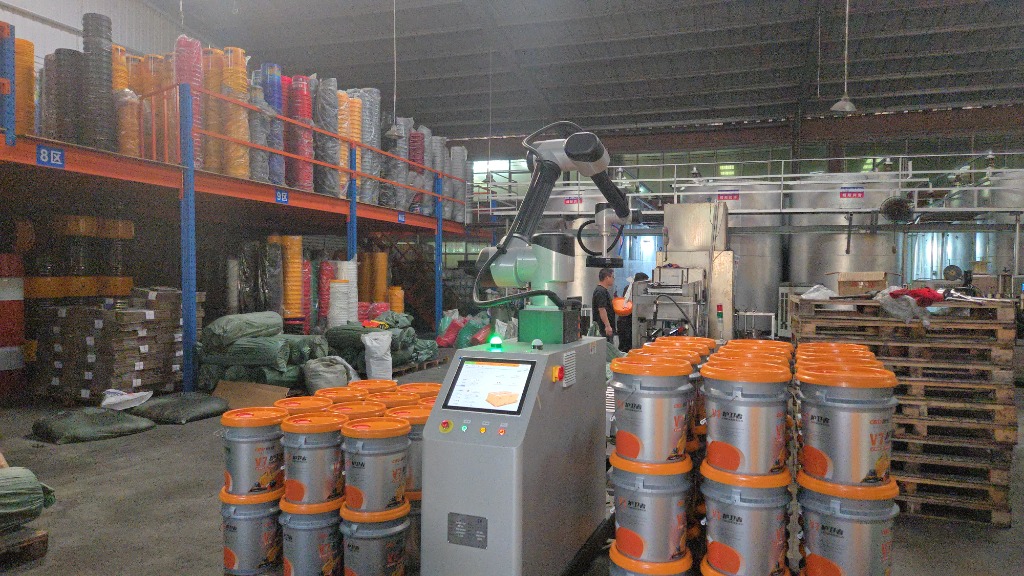
9. Authoritative 3-Day Hydraulic & Industrial Lubricant Price Forecast Matrix (November 18–20, 2026)
Synthesizing prompt ICE Brent and Platts Dubai futures, Asian refinery spot Group I/II/III quotes, chemical additive treat-rate inflation, and Xiamen Port container scheduling, the FOSS Quantitative Energy Modeling Desk issues the following 3-day export pricing forecast in Table 4:
| Product Designation & Viscosity Grade | Performance Specifications | Current FOB Xiamen (Nov 17, 2026) | Bulk 1000L IBC Rate | Day 1 Forecast (Wed, Nov 18) | Day 2 Forecast (Thu, Nov 19) | Day 3 Forecast (Fri, Nov 20) | 3-Day Trajectory Bias |
|---|---|---|---|---|---|---|---|
| FOSS L-HM 32 Anti-Wear Hydraulic | ISO 11158 HM, DIN 51524-2 HLP, Denison HF-0 | $234.80 / Drum | $1,092 / IBC | $234.20 | $233.60 | $233.50 | Mild Consolidation (-0.6%) |
| FOSS L-HM 46 Anti-Wear Hydraulic | ISO 11158 HM, DIN 51524-2 HLP, Eaton E-FDGN-TB002-E | $238.50 / Drum | $1,110 / IBC | $237.80 | $237.20 | $237.00 | Mild Consolidation (-0.6%) |
| FOSS L-HM 68 Anti-Wear Hydraulic | ISO 11158 HM, DIN 51524-2 HLP, Bosch Rexroth RDE 90235 | $243.00 / Drum | $1,132 / IBC | $242.50 | $242.00 | $241.80 | Range-Bound Soft (-0.5%) |
| FOSS L-HV 46 High VI Hydraulic | DIN 51524-3 HVLP, ISO 11158 HV, VI ≥ 155, -39°C Pour Point | $258.50 / Drum | $1,206 / IBC | $259.00 | $259.40 | $259.80 | Firm / Slightly Bullish (+0.5%) |
| FOSS L-CKD 150 Heavy Gear Oil | DIN 51517-3 CLP, ISO 12925-1 CKD, AGMA 9005-F16 | $266.00 / Drum | $1,245 / IBC | $266.40 | $266.80 | $267.20 | Firm (+0.5%) |
| FOSS L-CKD 220 Heavy Gear Oil | DIN 51517-3 CLP, Flender Revision 16, FZG Load ≥ 12 | $272.50 / Drum | $1,275 / IBC | $273.00 | $273.60 | $274.20 | Sticky Bullish (+0.6%) |
| FOSS L-CKD 320 Heavy Gear Oil | DIN 51517-3 CLP, David Brown S1.53.101, US Steel 224 | $280.00 / Drum | $1,310 / IBC | $280.60 | $281.20 | $281.80 | Sticky Bullish (+0.6%) |
| FOSS L-CKD 460 Heavy Gear Oil | DIN 51517-3 CLP, Flender Tube Mill Approved, AGMA 9005-F16 | $288.50 / Drum | $1,352 / IBC | $289.20 | $290.00 | $290.80 | Sticky Bullish (+0.8%) |
| FOSS EP Lithium Complex Grease | NLGI 2, Drop Point ≥ 260°C, 4-Ball Weld ≥ 315 kgf | $3.38 / kg (180kg Drum) | $57.80 / 15kg Pail | $3.39 / kg | $3.40 / kg | $3.41 / kg | Firm (+0.9%) |
Detailed 3-Day Operational Trajectory Drivers (November 18–20, 2026):
Day 1 (Wednesday, November 18, 2026): ICE Brent is projected to test the $90.80–$92.20/bbl range as market participants digest the IEA Q4 surplus overhang alongside U.S. API/EIA weekly inventory data and strong DXY (103.50) resistance. Asian Group II 150N and 500N spot sellers will extend modest $5–$10/MT concessions to clear November allocations, allowing FOSS L-HM 46 export baselines to ease slightly toward $237.80/drum FOB Xiamen.
Day 2 (Thursday, November 19, 2026): While mineral Group II hydraulic grades consolidate, Group III 4cSt ($2,180/MT) and Group I Bright Stock ($1,540/MT) remain insulated from crude softness due to Gulf export bottlenecks. High-viscosity industrial gear oil blenders face rising SIB EP additive invoices (+7.1%), lifting L-CKD 220 and L-CKD 320 quotations incrementally to $273.60 and $281.20/drum.
Day 3 (Friday, November 20, 2026): Positioning ahead of the November 29 OPEC+ quota summit will inject defensive short-covering across Brent and Dubai crude benchmarks. With UN 1A1 cold-rolled steel drum coils holding at $37.20/drum and additive floors intact, L-HM 46 stabilizes firmly at a technical floor near $237.00/drum—creating an optimal tactical entry window before December pre-holiday restocking and FOMC rate volatility.
10. Global Buyer Procurement Playbook & Strategic Hedging Protocols
Today's divergence—softer headline crude coupled with resilient Group I/III base oils, rising chemical additives, hawkish Fed rate expectations, and shifting Red Sea shipping schedules—rewards disciplined, structured procurement rather than passive waiting. Overseas distributors and plant operations directors should implement four tactical hedging protocols:
Strategic Hedging Protocol 1: Capture the Mid-November Dip on Group II Hydraulic Fluids (L-HM 32/46/68)
Brent's pullback to $91.85/bbl and Group II 150N/500N spot normalization represent a tactical buying window ahead of the November 29 OPEC+ meeting and December winter restocking. Importers should execute 60-day forward Proforma Invoices (PI) for 20GP container lots of FOSS L-HM Anti-Wear Hydraulic Oils with a 20% advance deposit, locking in today's sub-$240/drum baseline while insulating against any renewed Gulf pipeline disruption.
Strategic Hedging Protocol 2: Pre-Allocate Group III & Heavy Gear Formulations Before December Repricing
Do not delay orders for L-HV High-VI Hydraulic Oils, L-CKD Extreme-Pressure Gear Oils, or synthetic compressor oils expecting them to follow Brent downward. With Group III 4cSt trading at $2,180/MT and SIB EP additives up 7.1%, early batch reservation inside FOSS's 20,000-MT Quanzhou tank farm prevents allocation delays.
Strategic Hedging Protocol 3: Optimize Ocean Freight & Suez Transition Scheduling (21-Day Advance Booking)
With Maersk and Hapag-Lloyd signaling phased Suez Canal returns starting December–January while Houthi security risks remain active, container spot markets face sharp schedule volatility. Coordinate 21-day advance vessel bookings through FOSS's Xiamen Port logistics desk, and evaluate switching high-volume continuous plant orders from 208L drums to 1000L UN 31HA1 IBC totes to trim packaging overhead by up to $20/MT.
Strategic Hedging Protocol 4: Enforce Digital Product Passport (MA-DPP) & Lab COA Verification
During margin squeezes caused by sticky additive and steel drum inflation, uncertified regional blenders frequently substitute virgin base oils with unrefined re-refined base oil (RRBO) or under-treat ZDDP anti-wear chemistry. Every drum and IBC dispatched from FOSS carries a laser-etched MA-DPP Digital Product Passport linking directly to batch-specific ASTM D445 kinematic viscosity, ASTM D2270 VI, and ICP-OES elemental test records from our CNAS-aligned QC testing laboratory.
11. FOSS Lubricants Quanzhou Manufacturing Infrastructure & Guaranteed 7-Day Export Dispatch
Strategically situated in Quanzhou, Fujian Province—minutes from the deep-water international container berths of Xiamen Port—Quanzhou FOSS Lubrication Technology Co., Ltd. operates a vertically integrated blending, testing, and export packaging complex certified to ISO 9001:2015, ISO 14001:2015, and ISO 45001:2018 standards:
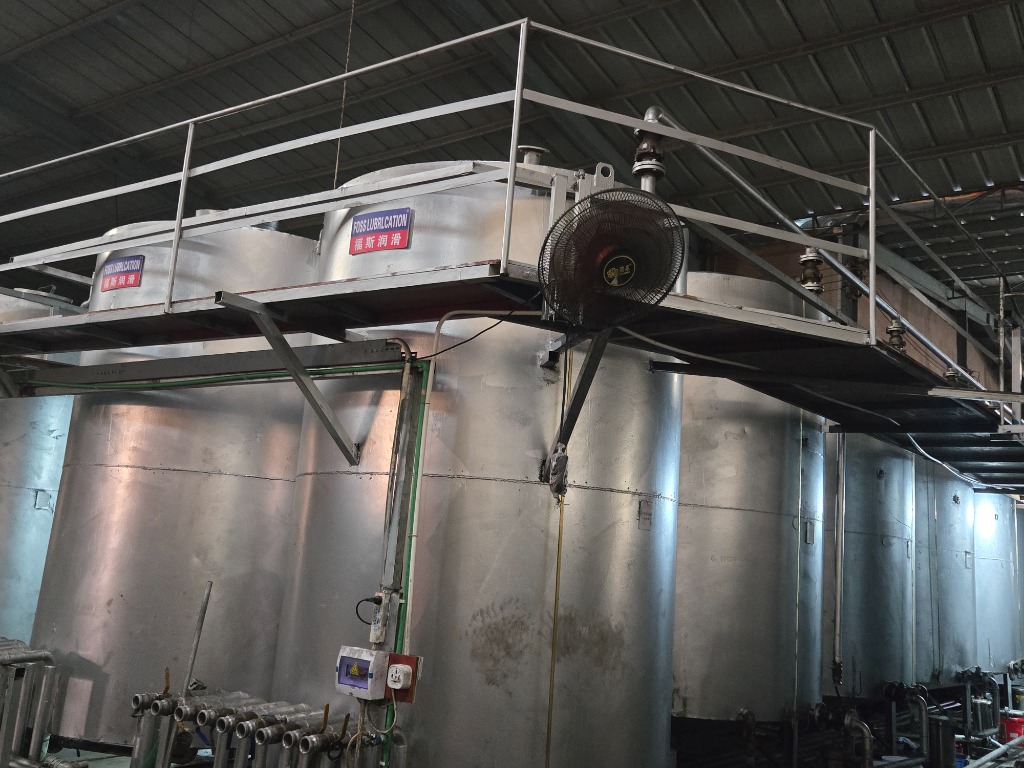
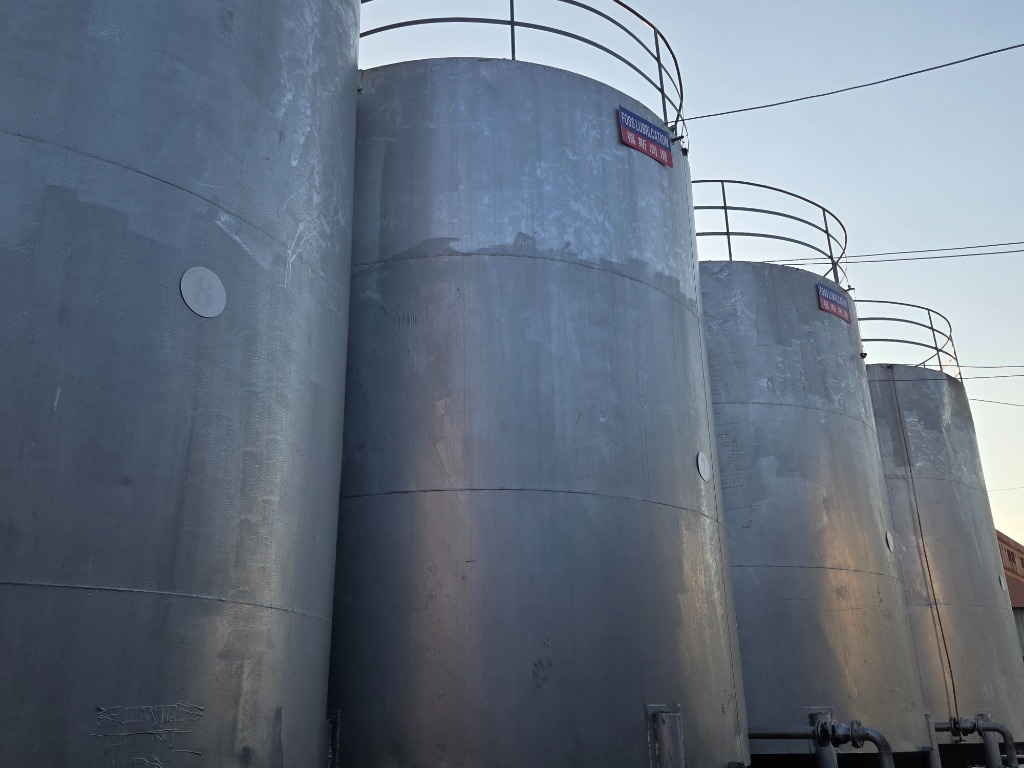
- 20,000 Metric Ton Bulk Virgin Base Oil Reserves: Segregated tank farm inventory across API Group I, Group II (150N/500N), Group III, and PAO synthetics ensures uninterrupted blending continuity across market cycles.
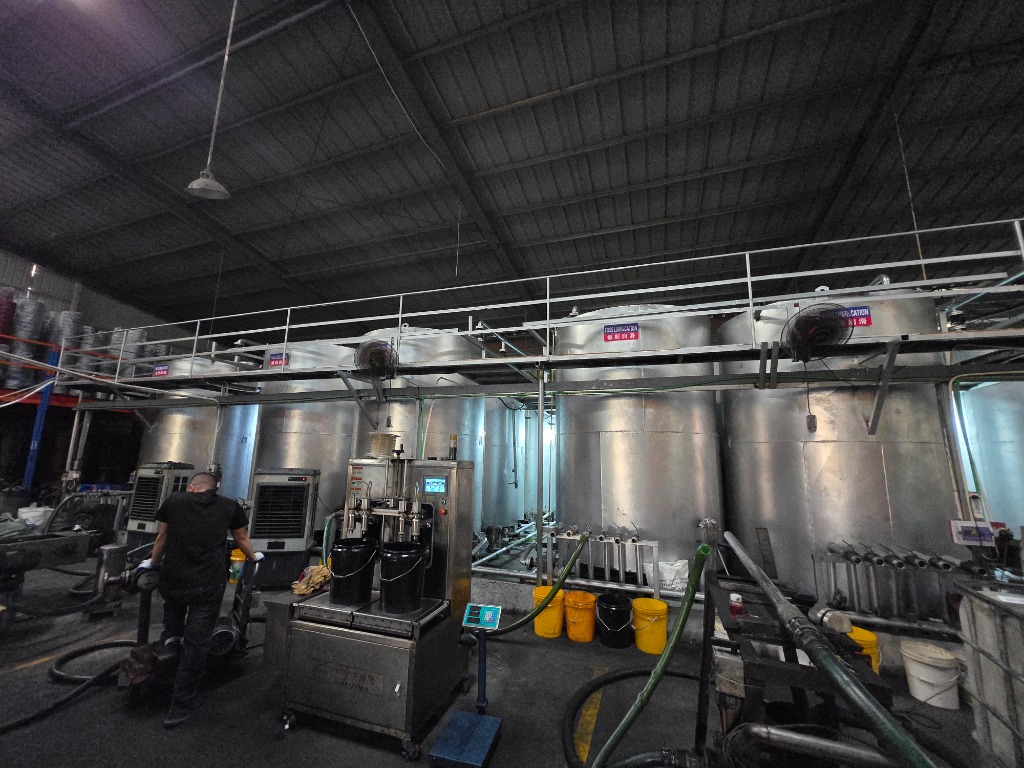
- 100,000 Metric Ton Annual Automated Blending Capacity: High-shear stainless steel kettles with mass-flow digital metering deliver precision viscosity tolerances across hydraulic, gear, compressor, and fleet lubricants.
- Guaranteed 7-Day Container Loading at Xiamen Port: Automated gravimetric filling lines, robotic palletizing, and dedicated port drayage guarantee factory completion and container gate-in within 7 calendar days of order confirmation.
Lock Your November–December Export Allocations at Today's Adjusted Base Oil Levels
Contact the FOSS Lubrication Global Commercial Engineering Desk in Quanzhou for live 20GP container quotations (80 x 208L drums or 18 x 1000L IBCs), OEM toll-blending specs, and pre-shipment COA dossiers.
Definitive 3-Day Lubricant & Base Oil Trend Forecast
Synthesized by the FOSS Quantitative Energy Modeling Desk based on active shipping line container bookings, regional tank farm draw-down rates, and prompt ICE Brent futures sentiment:
ICE Brent tests $90.80-$92.20/bbl on IEA Q4 surplus overhang and DXY 103.50 dollar strength ahead of U.S. inventory prints; Asian Group II 150N/500N sellers trim spot offers $5-$10/MT, nudging FOSS L-HM 46 FOB Xiamen toward $237.80/drum.
Divergence widens between mineral Group II hydraulic oils and specialty Group III/Bright Stock blends; Gulf Group III transit constraints ($2,180/MT) and SIB EP additive inflation (+7.1%) lift FOSS L-CKD 220/320 gear oils toward $273.60-$281.20/drum.
Pre-summit positioning ahead of the November 29 OPEC+ quota meeting sparks defensive short-covering in Brent and Dubai; ZDDP (+6.4%) and SPCC steel drum ($37.20) floors lock L-HM 46 near $237.00/drum ahead of December restocking.
5. Strategic Sourcing & Hedging Directives for Overseas Importers
For overseas procurement directors, fleet operators, and industrial distributors, market volatility represents both operational risk and competitive opportunity. We recommend the following three concrete actions for managing Q4 procurement:
Lock 60-Day Container Requirements
Secure firm proforma invoices (PI) with 30-day price validity. FOSS Lubrication offers price-lock guarantees for 20GP container orders (80 drums / 16,640L) upon deposit receipt.
Audit Laboratory CoA Verification
Demand full pre-shipment ASTM test parameters: kinematic viscosity at 40°C / 100°C, viscosity index ≥ 100, flash point ≥ 220°C, pour point ≤ -15°C, and zero moisture contamination.
FOSS Lubrication: Factory-Direct Precision Engineering
Operating out of Quanzhou, China, FOSS blends over 20,000 MT annually of ISO VG 32/46/68 anti-wear hydraulic oils, CK-4 heavy-duty engine oils, and industrial gear lubricants. Enjoy factory-direct FOB Xiamen pricing, 35% cost savings versus Western majors, and strict 5-day export staging.