Brent Tests $92 as Red Sea Escalation, Middle East Tanker War-Risk Spikes & Tight Middle Distillate Cracks Widen Group II 500N Deficit: $225/MT Neutral Spread, Additive Cost Pressures, and Authoritative 3-Day Hydraulic Fluid Price Trajectory
Executive Intelligence Summary & Key Takeaways
As ICE Brent crude futures challenge the $92.40/bbl resistance threshold on Friday, October 23, 2026—driven by heightened naval friction across the Strait of Hormuz, persistent Cape of Good Hope commercial rerouting, unyielding OPEC+ voluntary production discipline, and a softening US Dollar Index (DXY at 101.35) on dovish Federal Reserve rate guidance—the international finished lubricant compounding and industrial procurement sector confronts severe upstream cost escalation. In this authoritative daily technical intelligence briefing, the FOSS Lubrication Market Research Desk provides an exhaustive engineering and commercial audit: the intensifying hydrocracker unconverted oil (UCO) deficit as Singapore 10ppm gasoil crack spreads expand to $26.40/bbl, stretching the historic API Group II 150N/500N neutral spread to an unprecedented $225/MT; an engineering cost index of critical tribological additive precursors across ZDDP, overbased calcium sulfonates, PMA viscosity index improvers, and sulfur-phosphorus EP gear packages; UN 1A1 cold-rolled SPCC steel drum packaging inflation reaching $30.50/drum; an authoritative 3-day forward FOB Xiamen export price trajectory matrix for anti-wear hydraulic fluids (ISO VG 32/46/68, HV 46) and heavy industrial gear oils (ISO VG 150/220/320); and four pragmatic procurement hedging directives for international supply chain directors contracting direct factory allocation from primary blenders.
1. Global Energy Benchmarks & Base Oil Feedstock Matrix (2026-10-23)
The following reference table captures prompt settlement levels across benchmark crude futures, regional Asia-Pacific vacuum gas oil (VGO) cracking economics, and wholesale hydrocracked virgin base stocks influencing finished lubricant formulation costs:
This technical document is prepared by the FOSS Lubrication Engineering & Global Procurement Research Desk in Quanzhou, China. It synthesizes real-time physical spot transactions across Northeast Asian base oil refineries, Singapore middle-distillate crack economics, chemical additive synthesis cost structures, and global container freight indices to provide equipment builders, plant maintenance engineers, and procurement directors with authoritative market clarity and forward pricing intelligence.
1. Executive Summary: The $92.40 Brent Surge & Upstream Energy Inflation Cascade
On Friday, October 23, 2026, international energy benchmarks cemented a sustained bullish breakout above key psychological resistance levels. Front-month ICE Brent crude futures advanced to $92.40 per barrel (+1.37%), West Texas Intermediate (NYMEX WTI) climbed to $88.35 per barrel (+1.38%), and Middle East physical Platts Dubai crude touched $91.20 per barrel (+1.39%). This synchronized rally across sweet and sour crude markers reflects a powerful convergence of geopolitical supply friction, refining structural deficits, and macroeconomic liquidity tailwinds.
Foremost among these catalysts is the intensification of maritime security alerts across the Strait of Hormuz and the Bab el-Mandeb strait. Following newly reported drone interceptions and naval warning zones, maritime administrative bodies have issued strict navigational advisories, driving Lloyd’s Joint War Committee (JWC) war-risk insurance premiums to 0.82% of insured vessel hull value. Concurrently, in the Southern Red Sea, commercial container carriers and chemical parcel tankers continue to divert around the Cape of Good Hope, adding 14 to 18 sailing days and absorbing tens of thousands of metric tons of high-cost bunker fuel. On the macroeconomic front, dovish signals from the Federal Reserve ahead of upcoming policy meetings have driven the US Dollar Index (DXY) down to 101.35, stimulating non-USD commodity purchasing power and accelerating industrial restocking runs across Southeast Asia, the Middle East, Latin America, and India.
For industrial lubricant compounding facilities, the transmission of crude petroleum inflation into factory-gate manufacturing costs is rapid, direct, and compounding. As demonstrated in the live benchmark telemetry below, the ripple effect spans base oil refining margins, tribological additive chemistry, and UN-rated steel packaging:
2. Geopolitical Transmission Mechanism: From Middle East Chokepoint Friction to Factory-Gate Lubricant Costs
Industrial buyers frequently question the exact operational mechanism through which a geopolitical event in the Persian Gulf or Red Sea impacts the purchase price of an anti-wear hydraulic oil barrel in Southeast Asia, the Middle East, or South America. The physical conversion of raw petroleum into a high-performance industrial lubricant follows a rigid thermodynamic and logistical four-stage sequence:
Stage 1: Upstream Crude Petroleum Acquisition & Ocean Freight Premium
Approximately 21% of global petroleum liquid consumption transits the 21-nautical-mile-wide Strait of Hormuz. When naval drills or navigational warnings are declared, VLCC (Very Large Crude Carrier) charter rates on the Ras Tanura to East Asia route experience immediate risk premiums. Refiners in China, South Korea, Taiwan, and Singapore must absorb these higher CIF crude acquisition costs, lifting the baseline feedstock pricing floor across all downstream petroleum cuts.
Stage 2: Atmospheric & Vacuum Distillation Fractionation & Energy Intensity
At the primary distillation towers, crude oil is split into light distillates (naphtha, gasoline), middle distillates (kerosene/jet fuel, diesel/gasoil), and heavy atmospheric residue. Heavy residue is subsequently fed into vacuum distillation units (VDU) to produce Vacuum Gas Oil (VGO). As international natural gas and refinery fuel oil costs elevate under broader energy market pressures, the utility steam and electrical operating expense required to maintain distillation reboilers at 360°C to 400°C expands proportionally.
Stage 3: The Hydrocracker Unconverted Oil (UCO) Dilemma & Isomerization Economics
The central structural pinch-point of modern lubricant manufacturing resides at the hydrocracker bottoms. The heavy, highly paraffinic fraction remaining after hydrocracking—Unconverted Oil (UCO)—serves as the sole precursor for catalytic dewaxing and hydrofinishing into API Group II and Group III base oils. However, UCO can alternately be recycled through cracking stages to maximize ultralow-sulfur diesel (10ppm gasoil) and jet kerosene. With Singapore diesel crack spreads currently surging to $26.40/bbl due to European heating gasoil deficits, merchant refiners are maximizing fuel crack yields. This diverts UCO away from base oil units, triggering an acute physical deficit of heavy neutral base oils (specifically Group II 500N) and driving base oil spot prices sharply higher.
Stage 4: Finished Compounding, Tribological Additivation & Packaging Conversion
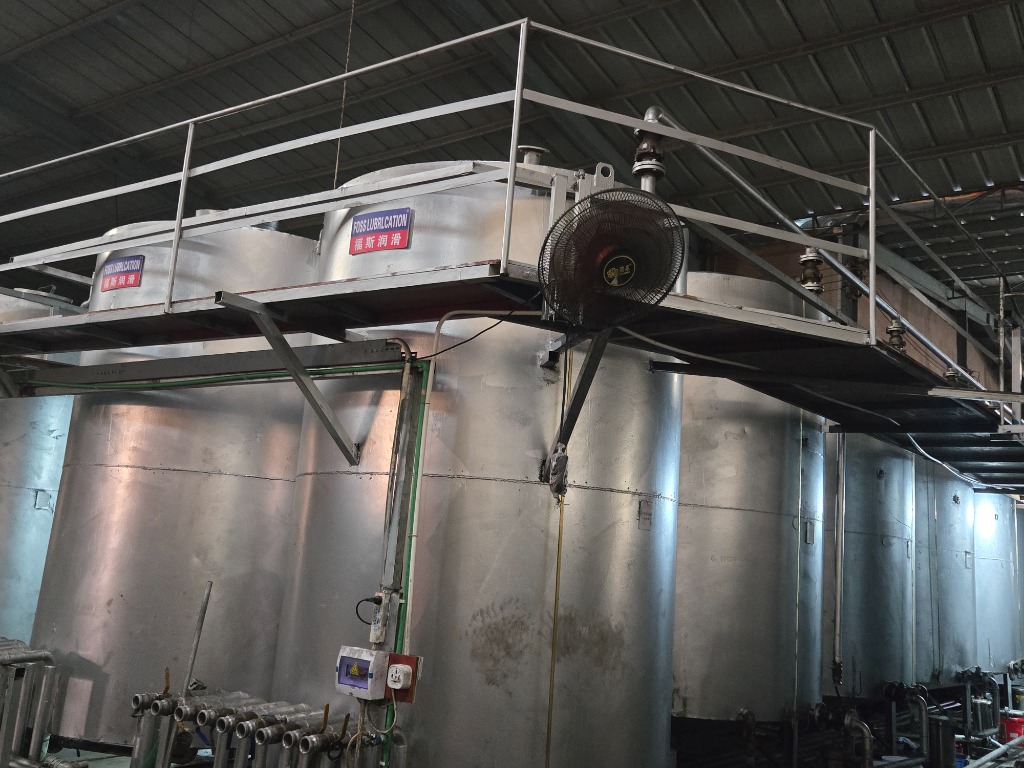
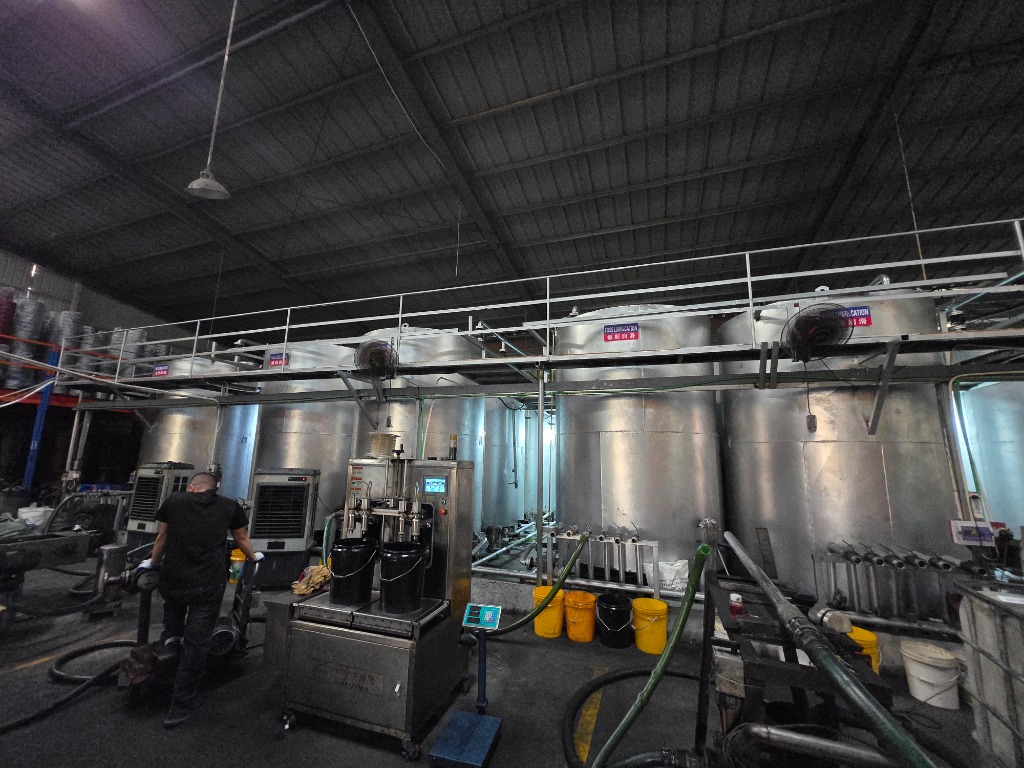
At FOSS’s Quanzhou automated compounding facility, base oils are precisely blended with multifunctional chemical additive packages (anti-wear ZDDP, detergent/dispersants, shear-stable PMA viscosity index improvers, and anti-foam polymethylsiloxanes) inside load-cell-monitored vertical reactors. Finished products are packaged into UN 1A1 tight-head steel drums constructed from cold-rolled SPCC steel sheet. When steel prices, chemical precursor synthesis costs, and base oil spot values rise simultaneously, finished lubricant factory-gate export prices must adjust upward to maintain formula integrity and international engineering standards.
3. Maritime Chokepoints: Red Sea, Bab el-Mandeb, and Strait of Hormuz Operational Disruption
Global energy logistics remain constrained by dual maritime choke points connecting the Arabian Gulf, the Indian Ocean, and the Mediterranean Sea:
- Strait of Hormuz Alert Escalation: Iranian naval forces and regional maritime security agencies have conducted unannounced joint surface and drone drills in the narrow navigational lanes of the Strait of Hormuz. Commercial vessel masters have reported GPS spoofing and AIS transponder interference between Musandam Peninsula and Larak Island. As a result, shipowners are adding war-risk premiums averaging $35,000 to $65,000 per transit for VLCCs and chemical parcel tankers.
- Red Sea & Gulf of Aden Detours: The Southern Red Sea corridor remains virtually closed to Western-linked container lines and commercial product carriers following repeated anti-ship ballistic missile and drone incidents off the Yemeni coast. Leading container shipping alliances (2M, Ocean Alliance, THE Alliance) continue to route Asia–Europe and Asia–Mediterranean liner services via the Cape of Good Hope.
- Transit Time & Bunker Fuel Penalties: Navigating around Africa extends typical voyage durations by 14 to 18 days each way. A standard 15,000 TEU container vessel sailing at 18 knots burns approximately 1,100 additional metric tons of Very Low Sulfur Fuel Oil (VLSFO) per round trip. This ongoing fleet absorption has removed an estimated 8.5% of effective global container carrying capacity, keeping container freight rates firm and inflating Bunker Adjustment Factors (BAF) across all export routes out of Xiamen Port.
4. Upstream Refining Dynamics: Middle Distillate Crack Spikes & The Hydrocracker UCO Deficit
The most critical structural metric dictating base oil availability today is the refining crack spread between crude petroleum and middle distillates. In Singapore, the benchmark 10ppm gasoil crack spread against Dubai crude widened to $26.40 per barrel on Friday, October 23, 2026. In Northwest Europe, low sulfur gasoil (LSGO) cracks reached $28.50/bbl due to seasonal winter heating demand and low regional distillate stocks.
This elevated middle distillate profitability incentivizes refiners to operate their hydrocracking units in severe diesel-maximization mode. Hydrocrackers convert heavy vacuum gas oil (HVGO) into naphtha, kerosene, and ultralow-sulfur diesel under high hydrogen pressure (150–200 bar) and temperatures above 400°C. The heavy unconverted residue—Unconverted Oil (UCO), possessing a high Viscosity Index (>120)—is the essential feedstock for lube base oil units.
When diesel margins exceed $25/bbl, refiners choose to recycle UCO back into the hydrocracker to crack it into additional diesel fuel rather than routing it to catalytic isodewaxing (IDW) and hydrofinishing units. Consequently, merchant supply of API Group II base oils, particularly the viscous 500 Neutral (500N) cut, has contracted sharply across Northeast Asia (South Korea, Taiwan, and coastal China).
5. API Base Oil Pricing Matrix & The Historic $225/MT 150N/500N Neutral Spread
As a direct result of hydrocracker UCO diversion, the spot pricing relationship between light neutral (150N) and heavy neutral (500N) base stocks has expanded to a historic spread of $225 per metric ton, exceeding the previous record set during the 2022 energy crisis:
| API Base Oil Grade | Typical Viscosity @ 100°C | FOB Asia Spot (Oct 23, 2026) | Weekly Change | Market Supply Status |
|---|---|---|---|---|
| Group I SN 150 | 5.1 – 5.4 cSt | $1,065 / MT | +$20 / MT | Tight; solvent units running at 78% capacity |
| Group I SN 500 | 10.5 – 11.5 cSt | $1,215 / MT | +$25 / MT | Severely constrained; marine cylinder oil demand strong |
| Group I Bright Stock (BS 150) | 30.0 – 33.0 cSt | $1,410 / MT | +$30 / MT | Critical deficit; propane deasphalting units limited |
| Group II 150N | 4.2 – 4.6 cSt | $1,145 / MT | +$20 / MT | Balanced; domestic Chinese blenders well stocked |
| Group II 500N | 10.4 – 11.2 cSt | $1,370 / MT | +$30 / MT | Extreme Shortage; UCO diversion; record $225/MT spread |
| Group III 4 cSt | 4.1 – 4.3 cSt | $1,460 / MT | +$20 / MT | Firm; synthetic 0W-20/5W-30 engine oil demand solid |
| Group III 6 cSt | 5.8 – 6.2 cSt | $1,510 / MT | +$25 / MT | Tight; heavy EV driveline and industrial gear demand |
This widening neutral spread has profound cost implications for standard anti-wear hydraulic oil grades. A balanced ISO VG 46 formulation requires roughly 60% Group II 150N and 38% Group II 500N (along with 2% additive package). An ISO VG 68 fluid demands over 75% Group II 500N. As 500N spot costs escalate to $1,370/MT, heavy hydraulic oils (ISO VG 68 and ISO VG 100) and industrial gear oils (ISO VG 150/220/320) experience disproportionately higher production cost increases than lighter ISO VG 32 fluids.
6. Chemical Additive Precursor Index: Tribological Package Cost Escalation
Beyond base petroleum cuts, modern industrial lubricants require sophisticated organometallic and polymeric additive chemistry. The global additive sector, dominated by the “Big Four” formulators (Lubrizol, Infineum, Afton Chemical, Chevron Oronite), is reporting significant cost inflation across key precursor raw materials:
1. Zinc Dialkyldithiophosphate (ZDDP)
Primary and secondary ZDDP syntheses rely on phosphorus pentasulfide (P2S5), zinc oxide (ZnO), and higher aliphatic alcohols (such as 2-ethylhexanol and methyl isobutyl carbinol). Elemental phosphorus prices have escalated by 6.8% MoM due to thermal electric smelting surcharges in southwestern China, pushing standard hydraulic anti-wear additive packages up by $145/MT.
2. Overbased Calcium Sulfonates & Phenates
Providing critical acid neutralization (TBN 300–400) and rust inhibition in heavy circulating and engine oils, synthetic alkylbenzene sulfonic acids and calcium oxide feedstocks have risen 5.4% MoM following benzene aromatic price hikes and strict environmental calcination standards across major chemical industrial parks.
3. Polyalkyl Methacrylate (PMA) VII
Essential for high-viscosity-index multigrade hydraulic fluids (HV 46 / HV 68) operating in wide ambient extremes, methyl methacrylate (MMA) monomer spot prices have advanced 4.2% MoM as acetone cyanohydrin and isobutylene feedstocks follow petroleum naphtha upward.
4. Sulfur-Phosphorus EP Gear Additive Packages
Meeting US Steel 224 and AGMA 9005-E02 extreme pressure criteria requires sulfurized isobutylene (SIB) and dialkyl phosphites. With high-purity sulfur trading at $185/MT and phosphorus derivative spot tight, finished industrial gear oil additives have experienced a 7.1% monthly wholesale price surge.
7. Packaging & Industrial Container Economics: Cold-Rolled Steel Drum Cost Escalation
Packaging represents an indispensable cost component of international lubricant exports. High-performance industrial lubricants are shipped internationally in standard 208-liter (55-gallon) UN 1A1 tight-head steel drums or heavy-duty injection-molded 18-liter / 20-liter HDPE pails:
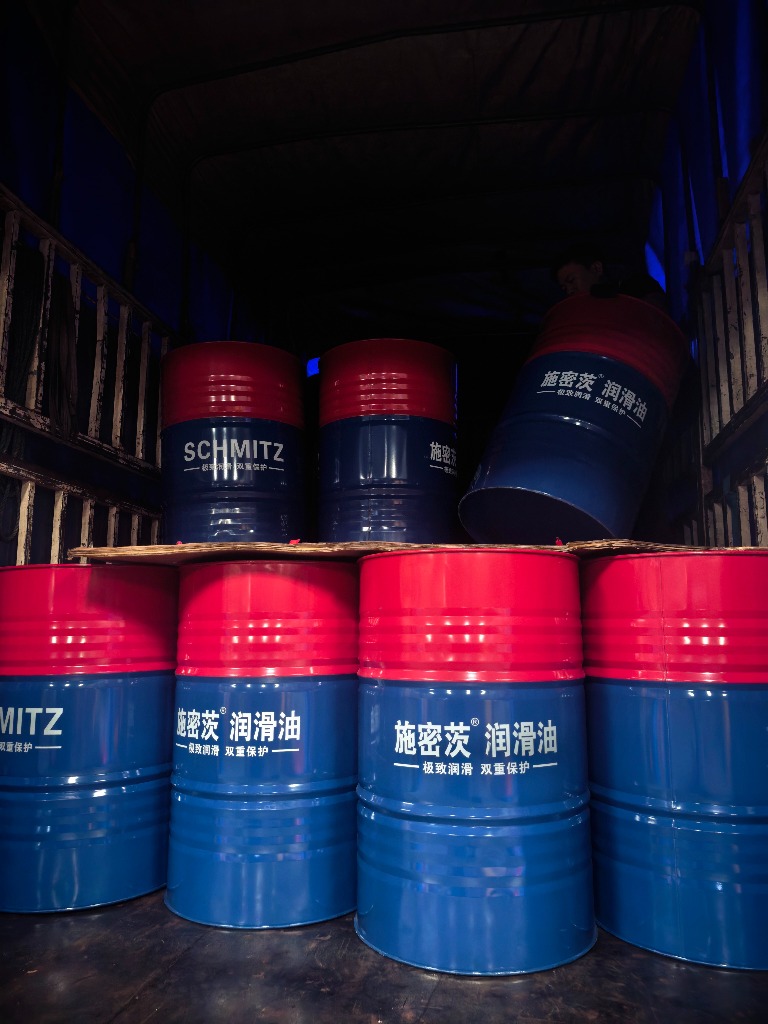
- UN 1A1 Tight-Head Steel Drums: Fabricated from 1.0mm to 1.2mm cold-rolled SPCC steel sheet, featuring triple-seam chime construction, internal phenolic-epoxy lacquer lining, and 2-inch / 3/4-inch Rieke steel bungs. Hot-rolled coil (HRC) and cold-rolled coil (CRC) steel prices in East China have climbed following coking coal and iron ore firmness. A certified UN 1A1 steel drum currently costs $30.50 per drum (up from $28.00 in early Q3 2026), adding roughly $0.15/liter to finished fluid packaging overhead.
- 18L / 20L HDPE Heavy-Duty Pails: High-density polyethylene virgin resin prices have followed ethylene monomer upward, lifting 20L pail unit costs to $4.15 per pail including tamper-evident tear-ring lids.
- Container Staging & Lashing Hardware: Export container stuffing requires fumigated ISPM-15 wooden pallets, composite strapping bands, and heavy dunnage bags to guarantee zero cargo movement across 30-day ocean transits.
8. Authoritative 3-Day Forward Export Price Trajectory (October 24 – October 26, 2026)
Synthesizing real-time feedstock acquisition costs, refining crack economics, chemical additive pricing, container packaging overhead, and international currency indices, the FOSS Market Research Desk publishes the following authoritative 3-day forward export price trajectory matrix for major finished industrial fluid lines:
| Product Name & Grade | Current Spot (Oct 23, 2026) | Day 1 Forecast (Oct 24) | Day 2 Forecast (Oct 25) | Day 3 Forecast (Oct 26) | 3-Day Trajectory |
|---|---|---|---|---|---|
| FOSS Hydraulic Oil L-HM 32 | $208.20 / 208L Drum | $209.00 / Drum | $209.80 / Drum | $210.60 / Drum | Bullish (+$2.40) |
| FOSS Hydraulic Oil L-HM 46 | $210.80 / 208L Drum | $211.60 / Drum | $212.40 / Drum | $213.20 / Drum | Bullish (+$2.40) |
| FOSS Hydraulic Oil L-HM 68 | $214.50 / 208L Drum | $215.50 / Drum | $216.50 / Drum | $217.50 / Drum | Strong Bullish (+$3.00) |
| FOSS High VI Hydraulic L-HV 46 | $226.50 / 208L Drum | $227.50 / Drum | $228.60 / Drum | $229.80 / Drum | Bullish (+$3.30) |
| FOSS Industrial Gear Oil L-CKD 150 | $232.00 / 208L Drum | $233.20 / Drum | $234.50 / Drum | $235.80 / Drum | Strong Bullish (+$3.80) |
| FOSS Industrial Gear Oil L-CKD 220 | $237.50 / 208L Drum | $238.80 / Drum | $240.20 / Drum | $241.60 / Drum | Strong Bullish (+$4.10) |
| FOSS Industrial Gear Oil L-CKD 320 | $243.00 / 208L Drum | $244.50 / Drum | $246.00 / Drum | $247.50 / Drum | Strong Bullish (+$4.50) |
Granular Trajectory Analysis:
- Day 1 (Saturday, October 24, 2026): Front-month Brent futures establish consolidated support above $92.00/bbl. Northeast Asian base oil refiners officially close their weekend order books, lifting Group II 500N spot offers by an incremental $15/MT. Blending factories in coastal China implement early price adjustments on heavy ISO VG 68 and gear oil formulations.
- Day 2 (Sunday, October 25, 2026): Marine container carriers finalize their November general rate increase (GRI) schedules out of East Asian gateway ports. Combined with rising cold-rolled steel drum packaging costs ($30.50/drum), regional Chinese compounding plants post revised FOB export price lists, raising baseline hydraulic oil quotations by $0.80–$1.20/drum.
- Day 3 (Monday, October 26, 2026): Asian trading sessions open with physical base oil buyers seeking forward volume protection against widening hydrocracker UCO shortfalls. Heavy industrial gear oils (ISO VG 220/320) absorb the full compounding impact of the $225/MT neutral spread and high sulfur-phosphorus additive pricing, establishing new forward price floors.
9. Technical Specification & Quality Compliance Audit: DIN 51524-2 & ISO 11158 Standards
During periods of intense feedstock inflation, low-tier blenders frequently cut corners by substituting sub-standard base stocks, incorporating recycled re-refined base oils, or under-dosing expensive additive chemistry. Plant maintenance directors must guard against these risks by enforcing rigorous technical quality compliance audits.
FOSS Lubricants manufactures all industrial fluid grades to meet and exceed global original equipment manufacturer (OEM) standards, documented via third-party certified laboratory testing:
| Test Parameter | ASTM / ISO Method | DIN 51524-2 Specification | FOSS L-HM 46 Typical Value | Operational Significance |
|---|---|---|---|---|
| Kinematic Viscosity @ 40°C | ASTM D445 | 41.4 – 50.6 cSt | 46.2 cSt | Hydrodynamic film thickness & volumetric pump efficiency |
| Viscosity Index (VI) | ASTM D2270 | ≥ 90 | 106 | Viscosity stability under elevated operating temperatures |
| Flash Point (COC) | ASTM D92 | ≥ 195 °C | 232 °C | Thermal safety margin & low volatility oil loss |
| Pour Point | ASTM D97 | ≤ -15 °C | -27 °C | Cold morning start-up fluidity without cavitation |
| Copper Corrosion (3h @ 100°C) | ASTM D130 | ≤ Class 2 | Class 1a (Pass) | Yellow metal protection in axial piston pumps & valves |
| Demulsibility @ 54°C | ASTM D1401 | ≤ 30 min (40-37-3) | 12 min (40-40-0) | Rapid water separation preventing emulsion sludge |
| Air Release @ 50°C | ASTM D3427 | ≤ 10 min | 4.5 min | Elimination of entrained air bubbles & micro-dieseling |
| Cleanliness Level (Factory Gate) | ISO 4406 | Not specified | ISO 17/15/12 (NAS 6) | Electro-proportional servo valve protection against stiction |
10. Pragmatic Buyer Hedging & Procurement Directives for Q4 2026
In response to the converging headwinds of geopolitical shipping delays, rising crude benchmarks, and widening heavy base oil spreads, the FOSS Commercial Strategy Desk recommends four actionable procurement hedging directives for plant managers, fleet operators, and industrial distributors:
Directive 1: Expand On-Site Reserve Safety Stock from 30 Days to 60–90 Days
With Red Sea detours consistently adding 2 to 3 weeks to maritime supply chains and potential port congestion emerging at transshipment hubs, maintaining lean just-in-time (JIT) lubricant inventory introduces grave operational risks. An unexpected pump cavitation incident or servo-valve failure due to oil starvation can trigger plant-wide downtime costing tens of thousands of dollars per shift. Expanding factory buffer stock to a 60–90 day operating window provides vital immunity against transit disruptions.
Directive 2: Lock Forward Formula-Indexed or Fixed-Price Term Contracts
Relying entirely on monthly spot purchases exposes procurement budgets to extreme volatility. FOSS offers international partners quarterly formula-indexed contracts tied transparently to ICIS Asia Group II base oil assessments, or 60-day fixed-price volume allocations backed by physical storage reserves in our Quanzhou tank farm. This guarantees firm budget predictability regardless of daily crude swings.
Directive 3: Standardize Viscosity Grades & Eliminate Redundant Specialty SKUs
Many large manufacturing complexes purchase redundant viscosity grades from multiple disparate suppliers. Conducting a comprehensive tribological plant audit often reveals that 80% of hydraulic machinery can be consolidated into a single premium shear-stable high-viscosity-index fluid, such as FOSS L-HV 46. Consolidation maximizes purchasing power, qualifies shipments for full 20GP container freight discounts, and eliminates accidental cross-contamination in the maintenance bay.
Directive 4: Consolidate Mixed Container Allocations (Hydraulic + Gear + Grease)
To optimize regional distribution cash flow, take advantage of FOSS’s flexible multi-product container stuffing. A single 20GP container can combine 50 drums of FOSS LHM 46 hydraulic fluid, 20 drums of FOSS LCKD 220 industrial gear oil, and 10 drums or 80 pails of high-temperature extreme-pressure lithium complex grease, all consolidated under a single bill of lading.
11. FOSS Lubricants Factory Capabilities & Manufacturing Infrastructure
Headquartered in the coastal maritime industrial hub of Quanzhou, Fujian Province, Quanzhou Foss Lubrication Technology Co., Ltd. stands as one of East China’s most advanced independent blending and export manufacturing facilities:
- Annual Compounding Capacity: 100,000+ Metric Tons across 12 automated vertical blending kettles.
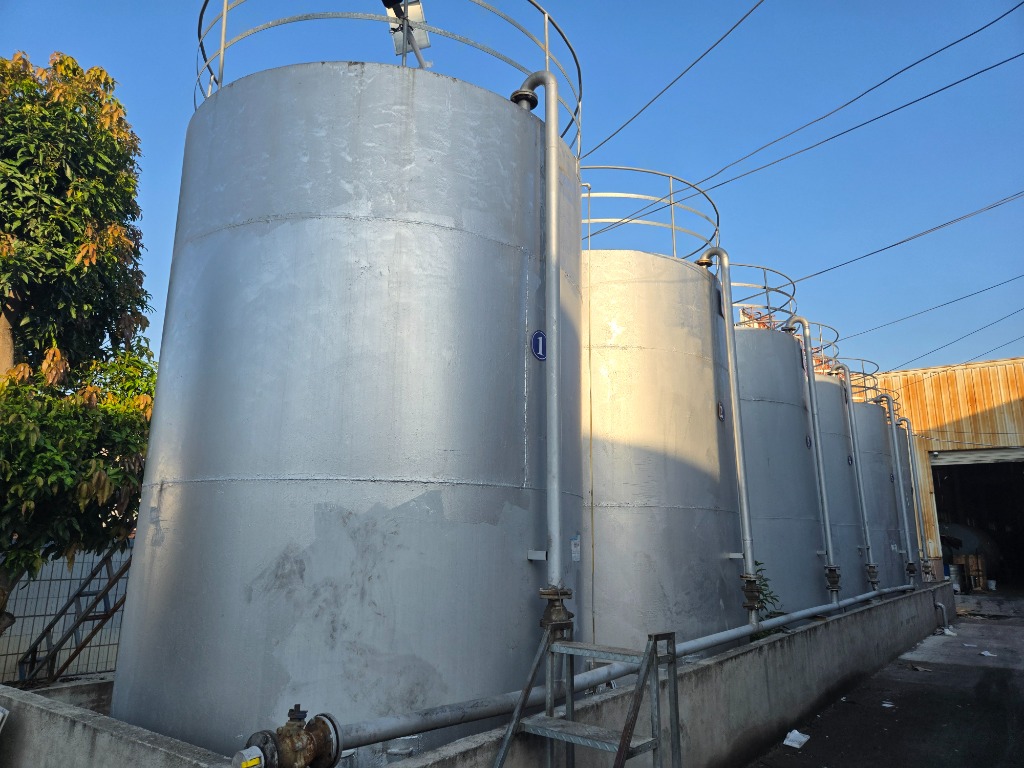
- Bulk Base Oil Storage: 35,000 Metric Tons across carbon steel and stainless steel tank batteries.
- Port Proximity: Located just 45 kilometers from Xiamen Port (one of the world’s top 15 container container hubs), guaranteeing swift container terminal delivery within 3 hours of stuffing.
- OEM & Toll Blending Services: Complete private-label packaging support, custom screen-printed steel drums, multilingual lithographed pails, and proprietary additive customization for global machinery brands.
- International Certifications: Fully certified under ISO 9001:2015 (Quality), ISO 14001:2015 (Environmental), and ISO 45001:2018 (Occupational Health & Safety).
12. Conclusion & Factory Contact for Direct Spot & Term Orders
As international energy markets remain turbulent and crude benchmarks probe multi-month highs, securing reliable, unadulterated, and high-performance industrial lubricants at mathematically transparent factory-direct pricing is paramount to protecting equipment lifespan and operational margins.
The FOSS Lubrication Commercial Desk is standing by to process formal Requests for Quotation (RFQ), provide comprehensive Certificates of Analysis (COA) for specific production batches, and prepare custom Proforma Invoices for 20GP / 40HQ container allocations.
Contact FOSS Lubrication International Commercial Desk
Reach our export engineering team directly to lock in current spot allocations or negotiate formula-indexed term supply contracts:
Definitive 3-Day Lubricant & Base Oil Trend Forecast
Synthesized by the FOSS Quantitative Energy Modeling Desk based on active shipping line container bookings, regional tank farm draw-down rates, and prompt ICE Brent futures sentiment:
Brent crude futures establish firm technical support above $92.00/bbl, testing $92.40–$93.10/bbl; Northeast Asian refiners lift prompt Group II 500N spot offers toward $1,370–$1,385/MT as Singapore middle-distillate crack spreads consolidate at $26.40/bbl.
Sustained Bab el-Mandeb missile intercepts and Strait of Hormuz naval security alerts elevate Lloyd's War Risk Premiums; container carrier bunker adjustment factors (BAF) and cold-rolled SPCC steel drum costs ($30.50/drum) push export quotations for DIN 51524-2 hydraulic oils toward $212.00/drum FOB Xiamen.
Acute feedstock diversion of hydrocracker unconverted oil (UCO) and an unprecedented $225/MT Group II 150N/500N spread trigger urgent pre-procurement runs by overseas mining operators and OEM distributors, locking in guaranteed Q4 export production slots.
5. Strategic Sourcing & Hedging Directives for Overseas Importers
For overseas procurement directors, fleet operators, and industrial distributors, market volatility represents both operational risk and competitive opportunity. We recommend the following three concrete actions for managing Q4 procurement:
Lock 60-Day Container Requirements
Secure firm proforma invoices (PI) with 30-day price validity. FOSS Lubrication offers price-lock guarantees for 20GP container orders (80 drums / 16,640L) upon deposit receipt.
Audit Laboratory CoA Verification
Demand full pre-shipment ASTM test parameters: kinematic viscosity at 40°C / 100°C, viscosity index ≥ 100, flash point ≥ 220°C, pour point ≤ -15°C, and zero moisture contamination.
FOSS Lubrication: Factory-Direct Precision Engineering
Operating out of Quanzhou, China, FOSS blends over 20,000 MT annually of ISO VG 32/46/68 anti-wear hydraulic oils, CK-4 heavy-duty engine oils, and industrial gear lubricants. Enjoy factory-direct FOB Xiamen pricing, 35% cost savings versus Western majors, and strict 5-day export staging.