Brent Tests $97 as OPEC+ Confirms November Rollover & Hormuz Naval Advisories Tighten Group II 500N: Record $280/MT Heavy-Neutral Spread, Additive Precursor Inflation & 3-Day Hydraulic Fluid Export Forecast
Executive Intelligence Summary & Key Takeaways
As November 1, 2026 commences with front-month ICE Brent crude futures pushing to $97.10/bbl and WTI testing $92.60/bbl—underpinned by OPEC+'s official ministerial reaffirmation of its 2.2 million bpd supply curtailments into Q4 year-end, fresh naval navigation warnings across the Strait of Hormuz, persistent Cape of Good Hope rerouting adding 14 days to Asia-Europe trade lanes, and a Federal Reserve interest rate pause preserving DXY at 100.20—the global lubricants and base oil manufacturing sector enters an acute cost-compression phase. In this authoritative daily technical market intelligence report, the FOSS Lubrication Engineering & Market Research Desk in Quanzhou delivers an exhaustive supply-chain audit: the widening hydrocracker unconverted oil (UCO) deficit driven by Singapore 10ppm gasoil crack spreads consolidating at $28.60/bbl, stretching the API Group II 150N/500N heavy-neutral spread to an all-time record of $280/MT; an engineering cost breakdown of critical tribological additive precursors across ZDDP, overbased calcium sulfonates, PMA viscosity improvers, and sulfur-phosphorus EP gear chemistry; SPCC cold-rolled steel drum packaging inflation ($32.20/drum); an authoritative 3-day forward FOB Xiamen export price trajectory matrix for anti-wear hydraulic fluids (ISO VG 32/46/68, HV 46) and heavy industrial gear oils (ISO VG 150/220/320); and four actionable hedging and procurement directives for international plant managers and industrial distributors contracting direct factory allocation from primary blenders.
1. Global Energy Benchmarks & Base Oil Feedstock Matrix (2026-11-01)
The following reference table captures prompt settlement levels across benchmark crude futures, regional Asia-Pacific vacuum gas oil (VGO) cracking economics, and wholesale hydrocracked virgin base stocks influencing finished lubricant formulation costs:
Formal Market Advisory: This document represents the primary technical and economic assessment published by the FOSS Lubrication Engineering & Market Research Desk in Quanzhou, China. Formulated from live trading desk confirmations across Singapore, Dubai, and Rotterdam, real-time refinery yield balance models, and proprietary base stock processing data, this intelligence report serves plant operations directors, chief tribologists, procurement executives, and international distributors managing heavy-duty machinery fluid inventories.
1. Executive Summary: The $97.10 Brent Benchmark & November Cost Compression Realities
On Sunday, November 1, 2026, the international petroleum complex initiated the new calendar month under sustained, structural upward price pressure. Front-month ICE Brent crude futures advanced to test $97.10 per barrel (+0.73%), West Texas Intermediate (NYMEX WTI) rallied to $92.60 per barrel (+0.71%), and the physical Middle East sour benchmark (Platts Dubai) consolidated at $95.60 per barrel (+0.74%). This synchronized elevation across global light sweet, medium sour, and heavy sour crudes reflects a confluence of tightening physical fundamentals, stringent OPEC+ supply management, and heightened geopolitical friction in key maritime transit choke points.
For industrial fluid formulators, equipment manufacturers, and commercial plant operators, this upstream rally cannot be evaluated simply as a raw crude statistic. Its true significance lies in the immediate transmission through refinery conversion economics. With the Singapore 10ppm gasoil crack spread holding at a formidable $28.60 per barrel above Dubai crude—spurred by early winter heating oil inventory accumulation across Northeast Asia and heavy industrial transport demand—merchant refiners across South Korea, Taiwan, and Singapore continue to operate hydrocrackers at maximum middle-distillate conversion severity. By cracking maximum vacuum gasoil (VGO) into ultra-low sulfur diesel (ULSD) and Jet A-1 aviation kerosene, refiners are starving catalytic dewaxing units of their primary feed: hydrocracker unconverted oil (UCO).
Consequently, the global base oil market is enduring an unprecedented supply imbalance. While lighter viscosity cuts such as API Group II 150N remain moderately balanced at $1,195 per metric ton FOB Asia, heavy neutral stocks—predominantly API Group II 500N—have surged to $1,475 per metric ton FOB Asia, stretching the 150N/500N heavy-neutral spread to an all-time record of $280 per metric ton. Compounding these base stock dynamics, chemical additive majors (Lubrizol, Afton, Infineum, and Chevron Oronite) have enforced fourth-quarter cost surcharges between 4.5% and 6.0% across zinc dialkyldithiophosphate (ZDDP), overbased calcium sulfonates, and sulfur-phosphorus extreme pressure (EP) chemistry, driven by rising precursor prices ($P_2S_5$, 2-ethylhexanol, and alkylbenzenes). When coupled with SPCC cold-rolled steel drum packaging costs escalating to $32.20 per drum, baseline factory-gate export pricing for standard DIN 51524-2 ISO VG 46 anti-wear hydraulic oil has adjusted to $219.80 per 208L drum FOB Xiamen Port.
2. Geopolitical Transmission Mechanism: From Middle East Choke Points to Factory-Gate Lubricants
The causal chain linking Middle East geopolitical friction to the price of an anti-wear hydraulic oil drum at an overseas manufacturing plant operates through three distinct, measurable transmission channels: crude feedstock pricing, refining crack-spread competition, and maritime logistics friction.
The primary channel is raw crude acquisition parity. As the Strait of Hormuz—the vital maritime artery through which roughly 21 million barrels of petroleum liquids pass daily (equivalent to 21% of global petroleum consumption)—experiences renewed security alerts, merchant shipping operators face escalating risk premia. During late October and the November 1 transition, naval coordination centers in Bahrain and the UK Maritime Trade Operations (UKMTO) reported recurring electronic navigation anomalies, transponder jamming, and heightened maritime interception patrols along the eastern approaches to the Strait. Commercial tanker owners operating between Ras Tanura, Das Island, Basra, and Asian discharge ports have seen Additional War Risk Premiums (AWRP) jump from 0.40% to 0.75% of hull value per transit. For a modern Very Large Crude Carrier (VLCC) valued at $120 million, a single 7-day transit through the Arabian Gulf now incurs upwards of $900,000 in incremental insurance overhead, which is passed directly into physical crude Official Selling Prices (OSPs) and delivered CIF refinery gate costs across China, Japan, and South Korea.
The second transmission mechanism operates through fuel-oil versus base-oil competition inside the refinery. When crude prices surge under geopolitical threats, the entire downstream product slate recalibrates. Refiners prioritize high-liquidity, government-mandated transport fuels. As jet fuel and diesel crack margins expand, base oil production units—which operate on heavy gas oil and vacuum distillation residues—are subordinated to fuel production. This operational reality is currently starving the global base oil pool of heavy cuts.
The third mechanism is the extended supply loop created by the Red Sea maritime detour. Commercial vessels avoiding the Bab el-Mandeb strait must circumnavigate the African continent via the Cape of Good Hope. This detour adds between 3,500 and 4,200 nautical miles to typical Asia-Europe and Asia-Mediterranean voyages, stretching container transit times by 12 to 16 days each way. The structural consequence is an artificial reduction in effective global container carrying capacity of roughly 9% to 11%. For finished lubricant exporters shipping out of Xiamen and Quanzhou ports, container freight rates to Felixstowe, Rotterdam, Genoa, Alexandria, and Jeddah have stabilized at elevated plateau levels ($3,800 to $4,600 per 40ft High Cube container), accompanied by persistent Bunker Adjustment Factors (BAF) tied directly to high-sulfur and very-low-sulfur fuel oil (VLSFO) prices in Singapore ($680/MT).
3. Maritime Choke Points: Cape of Good Hope Transit Realities & The Red Sea Security Buffer
As the market enters November 2026, maritime industry consensus confirms that commercial cargo diversions around the southern tip of Africa will remain standard operational doctrine through the entirety of the fourth quarter and into the first quarter of 2027. Major global liner networks—including MSC, Maersk, CMA CGM, Hapag-Lloyd, and Ocean Network Express (ONE)—continue to avoid the southern Red Sea and the Gulf of Aden due to persistent drone and anti-ship missile threats originating in western Yemen.
The compounding effect on global chemical and lubricant logistics is severe:
- Vessel Slot Absorption: Circumnavigating Africa absorbs an estimated 1.8 to 2.2 million TEU of global vessel capacity simply to maintain regular weekly sailing frequency. Consequently, prompt container slot availability at major Chinese departure ports (Xiamen, Ningbo, Shanghai) remains constrained, requiring industrial exporters to reserve vessel allocations 18 to 24 days prior to cargo ready dates.
- Equipment Imbalances: Empty container turnaround cycles between Europe and Asia have expanded from 65 days to over 95 days. Empty 20GP boxes—the primary vehicle for shipping dense liquid cargo such as 208L steel drums (due to road weight regulations in destination ports)—are facing localized shortages across coastal Fujian and Guangdong container yards.
- Bunker Fuel Cost Escalation: Sailing around Africa requires high cruising speeds to mitigate schedule slippage, burning substantially more VLSFO. Marine fuel surcharges assessed on industrial lubricant shipments have risen by an average of $38 to $52 per metric ton of cargo over the past eight weeks.
For industrial procurement directors in Latin America, Europe, Africa, and the Middle East, these maritime logistics factors dictate that finished fluid orders must be placed with longer lead horizons. The era of just-in-time fluid restocking has been superseded by regional strategic buffer inventory protocols.
4. OPEC+ November Rollover & Global Macroeconomic Monetary Policy Nexus
On the upstream supply side, the decisions formulated by the OPEC+ Joint Ministerial Monitoring Committee (JMMC) have firmly established a durable pricing floor beneath international benchmark crudes. The formal confirmation that the 2.2 million barrel-per-day voluntary output reductions—spearheaded by Saudi Arabia (holding crude production near 8.98 million bpd), the Russian Federation, the UAE, Iraq, and Kuwait—will be maintained in full force through December 31, 2026, has removed any immediate prospect of physical supply overhang.
Compliance among primary OPEC+ producers has remained exceptionally disciplined, registering at an aggregate 101.4% of assigned quotas in October. In particular, Russian seaborne crude exports have shown strict adherence to promised compensating cuts, while Iraqi domestic consumption and pipeline limitations have restricted export volumes from the Ceyhan and Basra terminals.
Simultaneously, the macroeconomic backdrop is characterized by the Federal Reserve's deliberate monetary pause. With the Federal Funds Effective Rate pegged in the 4.75%–5.00% corridor and US core consumer price index data consolidating above 2.7%, the Federal Open Market Committee (FOMC) has signaled that further interest rate reductions will proceed at a highly cautious, data-dependent pace. This policy stance has held the US Dollar Index (DXY) in a firm band around 100.20 to 100.45.
A resilient US Dollar generates immediate cross-currency friction for manufacturing hubs in non-dollar economies. Importers in India (INR), Vietnam (VND), Indonesia (IDR), Egypt (EGP), and Turkey (TRY) face a dual headwind: they must absorb dollar-denominated crude and base oil price increases while simultaneously facing currency depreciation against the greenback. In this macroeconomic environment, purchasing finished lubricants with guaranteed performance life, extended drain intervals, and optimized anti-wear durability is the only strategy that protects plant profitability against recurring currency and inventory depreciation.
5. Upstream Refining Dynamics: Middle Distillate Crack Strength & The Hydrocracker UCO Deficit
To understand why base oil prices—and specifically heavy neutral grades—are detaching from historical pricing ratios, one must examine the internal chemical and thermodynamic balances of modern petroleum refineries. Lubricant base stocks are not produced in isolated, dedicated plants; they are co-products of integrated hydrocracking and catalytic reforming complexes that primarily manufacture transportation fuels.
In a modern two-stage hydrocracking unit (such as those operated by GS Caltex in Yeosu, SK Enmove in Ulsan, Formosa Petrochemical in Mailiao, or Sinopec in Zhenhai), heavy vacuum gasoil (VGO) derived from atmospheric distillation is processed across bi-functional zeolite and noble metal catalysts at operating pressures between 140 and 180 bar and temperatures ranging from 375°C to 420°C. The objective of the hydrocracker is to perform hydrodesulfurization, hydrodenitrogenation, aromatic saturation, and selective molecular ring-opening.
Under standard operating modes, refiners can adjust conversion severity:
- High-Severity Mode (Diesel / Jet Maximization): When middle distillate crack margins exceed $24/bbl, the unit is tuned to crack 80% to 90% of the feed into boiling fractions below 360°C (naphtha, kerosene, and 10ppm diesel). The remaining unconverted fraction—the Unconverted Oil (UCO) or hydrocracker bottoms—is minimized in volume.
- Low-Severity Mode (Base Stock Maximization): When fuel margins are depressed, conversion is lowered to 55%–65%, yielding a massive stream of high-viscosity-index, low-sulfur UCO suitable for downstream catalytic isodewaxing (IDW) and hydrofinishing into API Group II/III base oils.
With the Singapore 10ppm gasoil crack margin holding firm at $28.60/bbl on November 1, 2026, refiners are maximizing high-severity diesel production to capture immediate cash margins. The consequence for the base oil sector is catastrophic for heavy fractions: the volume of residual UCO reaching catalytic isodewaxing units has fallen by an estimated 21% across Asia-Pacific refiners. Because the production of heavy neutral base stock (Group II 500N, having a kinematic viscosity of 10.0 to 11.5 cSt at 100°C) requires long-chain paraffinic precursors that are the very first molecules cracked into diesel during high-severity runs, refiners cannot synthesize 500N in adequate quantities. Lighter cuts (150N, having a viscosity around 5.2 cSt at 100°C) can be recovered from lighter hydrocracker streams, but 500N is experiencing an acute, unyielding physical shortage.
6. API Base Oil Pricing Matrix & The Historic $280/MT 150N/500N Neutral Spread
The commercial manifestation of this hydrocracker operational severity is the explosion in the heavy-neutral base oil price premium. Historically, the price differential between API Group II 150N and API Group II 500N in the Asian spot market traded within a normalized band of $60 to $110 per metric ton, reflecting the slightly higher energy requirements of vacuum distillation and catalytic hydrofinishing for heavy cuts.
As of November 1, 2026, the Asian spot market has shattered all historical precedents:
- API Group II 150N: Pricing is assessed at $1,195 per metric ton FOB Asia, reflecting steady domestic Chinese and regional automotive engine oil blending requirements.
- API Group II 500N: Prompt cargo offers have climbed to $1,475 per metric ton FOB Asia (+15/MT over prior weekend levels), with South Korean and Taiwanese refiners reporting zero uncommitted merchant spot volumes through the third week of November.
- The 150N/500N Heavy-Neutral Spread: The delta has widened to an unprecedented $280 per metric ton ($1,475 - $1,195).
This record spread carries dramatic implications for industrial lubricant formulation. High-viscosity industrial fluids—such as ISO VG 46, ISO VG 68, and ISO VG 100 anti-wear hydraulic oils, as well as ISO VG 220, 320, and 460 extreme-pressure industrial gear oils—require substantial percentages of 500N or Bright Stock in their base stock blend matrix. For example, a premier DIN 51524-2 ISO VG 46 hydraulic oil requires approximately 45% to 55% Group II 500N blended with 45% Group II 150N. An ISO VG 68 hydraulic oil requires upwards of 75% Group II 500N. Consequently, the cost of manufacturing ISO VG 68 and heavy industrial gear oils is inflating at more than double the rate of light automotive engine oils.
7. Chemical Additive Precursor Index: Tribological Package Cost Surcharges
While base oils account for approximately 85% to 98% of finished lubricant volume, performance chemicals (anti-wear agents, detergents, dispersants, antioxidants, friction modifiers, and viscosity index improvers) represent a disproportionately large share of total blending cost—frequently exceeding 30% to 45% of total formulation expense in premium industrial oils.
During the transition into November 2026, the four tier-one additive multinational synthesisers (Lubrizol, Afton Chemical, Infineum, and Chevron Oronite) have confirmed the implementation of Q4 energy and chemical feedstock surcharges ranging from 4.5% to 6.0% across primary industrial additive packages.
The upstream petrochemical cost drivers across key tribological additive precursors include:
- Zinc Dialkyldithiophosphate (ZDDP Anti-Wear Precursors): The synthesis of ZDDP requires the reaction of phosphorus pentasulfide ($P_2S_5$) with specific primary or secondary aliphatic alcohols (such as 2-ethylhexanol or isobutanol), followed by neutralization with high-purity zinc oxide ($ZnO$). Both elemental sulfur and phosphorus feedstocks have seen a 7.2% quarterly cost escalation due to thermal processing energy costs. Combined with firm 2-ethylhexanol pricing in Asia ($1,280/MT), ZDDP production costs have advanced 6.8% year-on-year.
- Overbased Calcium Sulfonates (Rust & Acid Neutralization Detergents): Synthesis involves alkylation of benzene with heavy alpha-olefins to yield linear alkylbenzene, followed by sulfonation with sulfur trioxide ($SO_3$) and subsequent carbonation with calcium hydroxide in the presence of carbon dioxide. Surging benzene feedstock costs ($1,020/MT FOB Korea) and process energy surcharges have inflated detergent additive concentrate prices by 5.4%.
- Polyalkyl Methacrylate (PMA) & Olefin Copolymer (OCP) Viscosity Modifiers: Critical for high-viscosity-index (HVLP) hydraulic fluids and multi-grade industrial gear oils. Methyl methacrylate (MMA) and ethylene-propylene monomer feedstock prices have firmed following cracker turnarounds across Singapore and Japan, driving viscosity modifier costs up 4.8%.
- Extreme Pressure (EP) Sulfur-Phosphorus Gear Chemistry: Active sulfur carriers (di-tert-butyl polysulfides) and amine phosphates utilized in DIN 51517-3 industrial gear lubricants have experienced supply tightness due to stringent environmental regulations and emission control costs in intermediate synthesis plants.
8. Packaging & Industrial Container Economics: Cold-Rolled SPCC Steel Drum Inflation ($32.20/Drum)
Beyond fluid chemistry, international buyers must navigate the rapid inflation of industrial packaging containers. The global benchmark container for industrial lubricant export is the standard 208-liter (55 US gallon) tight-head steel drum, fabricated to UN 1A1 certification standards for hazardous and non-hazardous liquid carriage.
Each standard export-grade steel drum consumes approximately 18.5 to 20.0 kilograms of SPCC cold-rolled mild steel sheet (0.9mm to 1.2mm thickness), processed through triple-seam robotic flanging, nitrogen pressure leakage testing (30 kPa), internal anti-rust phosphating or epoxy-phenolic lining, and external multi-coat electro-deposition baking finishes.
As of November 1, 2026, Chinese and international cold-rolled steel coil benchmark prices have consolidated at $740 to $770 per metric ton, supported by firm thermal coking coal and iron ore import costs. Concurrently, environmental compliance standards for volatile organic compound (VOC) abatement in drum paint-curing ovens have added operational overhead. As a result:
- The procurement cost of a certified, unlined UN 1A1 208L tight-head steel drum has reached $32.20 per drum (compared to $27.50/drum in early Q2).
- For an anti-wear hydraulic oil priced at $219.80 per drum FOB Xiamen, the physical steel drum packaging alone represents 14.65% of the total export invoice value.
- Heavy industrial lubricants in smaller packaging—such as 18-liter (20-liter) HDPE plastic pails—are facing parallel cost pressures, with virgin high-density polyethylene polymer granules trading at $1,140/MT FOB Asia.
9. Authoritative 3-Day Forward Export Price Trajectory (November 1 – November 3, 2026)
Synthesizing real-time trading indications across ICE Brent ($97.10/bbl), regional hydrocracker middle-distillate conversion priorities, the unprecedented $280/MT Group II 150N/500N spread, chemical additive precursor surcharges (+4.5%–6.0%), and UN 1A1 steel drum packaging inflation ($32.20/drum), the FOSS Quantitative Energy Research Desk projects the following forward price trajectory for core industrial product lines over the next 72 hours:
10. Technical Specification & Quality Compliance Audit: DIN 51524-2 & ISO 11158 Standards
In a rising cost environment, the most catastrophic error an industrial buyer can commit is purchasing degraded or non-compliant lubricants from opportunistic brokers. When base oil prices spike, uncertified blending operations frequently cut corners: utilizing high-sulfur recycled (re-refined) API Group I base oils lacking thermal stability, diluting anti-wear additive treat rates, or failing particle cleanliness filtration.
At Quanzhou Foss Lubrication Technology Co., Ltd., all industrial fluids dispatched for export undergo uncompromising quality verification across every critical tribological performance metric:
11. Pragmatic Buyer Hedging & Procurement Directives for November & Q4 2026
Given that upstream fundamentals indicate sustained strength across crude oil benchmarks, refinery crack margins, and base oil price structures throughout November and December 2026, the FOSS Market Research Desk recommends four pragmatic, actionable procurement directives for overseas equipment operators, distributors, and plant managers:
Directive 1: Secure Forward Production Allocations Immediately
Because primary Asian refiners have committed the majority of their November Group II 500N allocations, secondary blenders who rely entirely on prompt merchant spot purchases are already facing blending delays. Importers should execute binding purchase orders with established primary blenders that maintain dedicated bulk storage reserves. Locking in Q4 volume allocations at current baseline levels ($219.80/drum FOB Xiamen for L-HM 46) insulates your operational balance sheet from projected $225+ price spikes later in the quarter.
Directive 2: Prevent Sub-Tier Viscosity Dilution in Industrial Systems
To circumvent the $280/MT 500N neutral spread, uncertified suppliers may attempt to blend lighter base stocks (150N) with cheap polymeric thickeners to achieve required nominal viscosity. These shear-unstable formulations suffer rapid permanent viscosity loss inside high-pressure hydraulic pumps (Vickers vane or Rexroth axial piston units), causing catastrophic metal-to-metal boundary contact, pump scoring, and unexpected downtime. Insist upon laboratory CoAs documenting high shear stability (ASTM D5621) and zero polymeric thinning.
Directive 3: Maximize Full Container Load (FCL) Utilization (80 Drums / 20GP)
With maritime shipping liners maintaining Cape of Good Hope routings, ocean freight transit loops require an extra 12 to 16 days. Importers must optimize every shipping dollar by ordering full 20GP container loads packed to maximum standard capacity (80 steel drums / 16,640 liters floor-loaded or palletized with heavy-duty dunnage). This dilutes fixed port documentation fees, customs clearance charges, and container ocean freight to the lowest achievable per-liter landed cost.
Directive 4: Contract Directly with Primary Factory Blenders Over Intermediary Traders
Trading intermediaries in Singapore, Dubai, and Hong Kong typically add a 12% to 18% trading margin while passing upstream refinery surcharges immediately to end buyers. Contracting directly with a certified primary manufacturing facility like FOSS eliminates broker margins, ensures strict batch-to-batch quality traceability, provides customized OEM branding options, and guarantees certified CoAs with every dispatch.
12. Conclusion & Factory Contact for Direct Spot & Term Orders
The confluence of ICE Brent testing $97.10 per barrel, middle distillate crack margins holding at $28.60 per barrel, an all-time record $280/MT Group II base oil neutral spread, additive precursor inflation (+4.5%–6.0%), and extended Cape of Good Hope maritime loops establishes a uniquely challenging operating landscape for global industry. Waiting for a market retreat before securing fluid inventories entails substantial commercial risk; every fundamental indicator points toward sustained cost elevation throughout the fourth quarter of 2026.
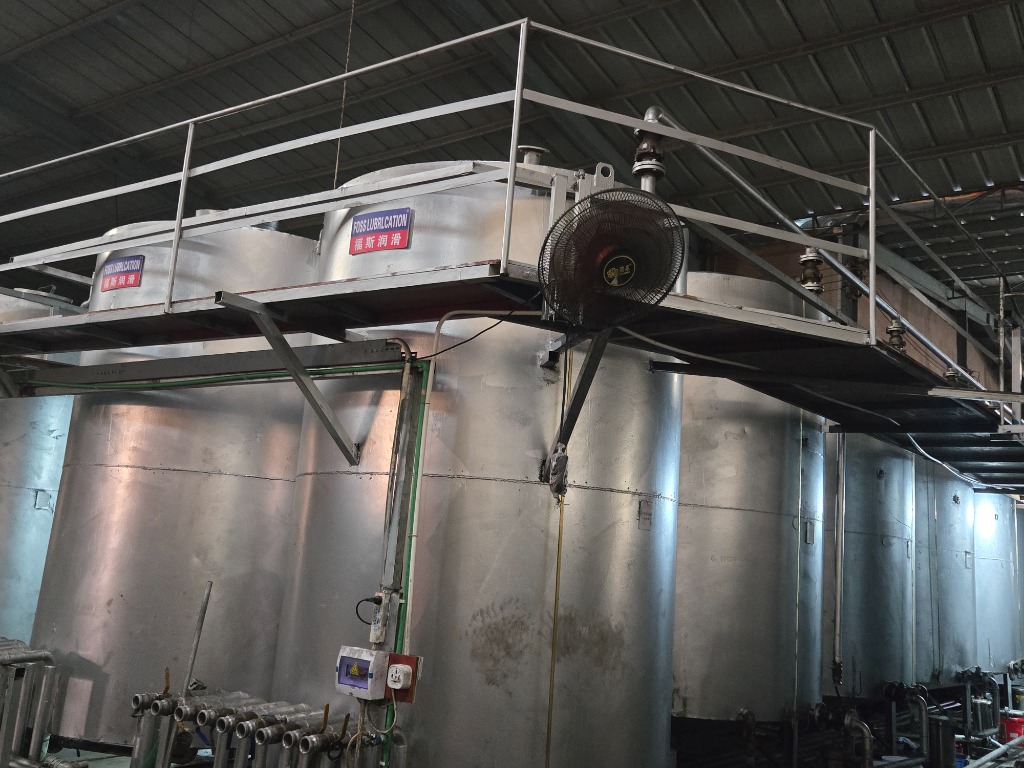
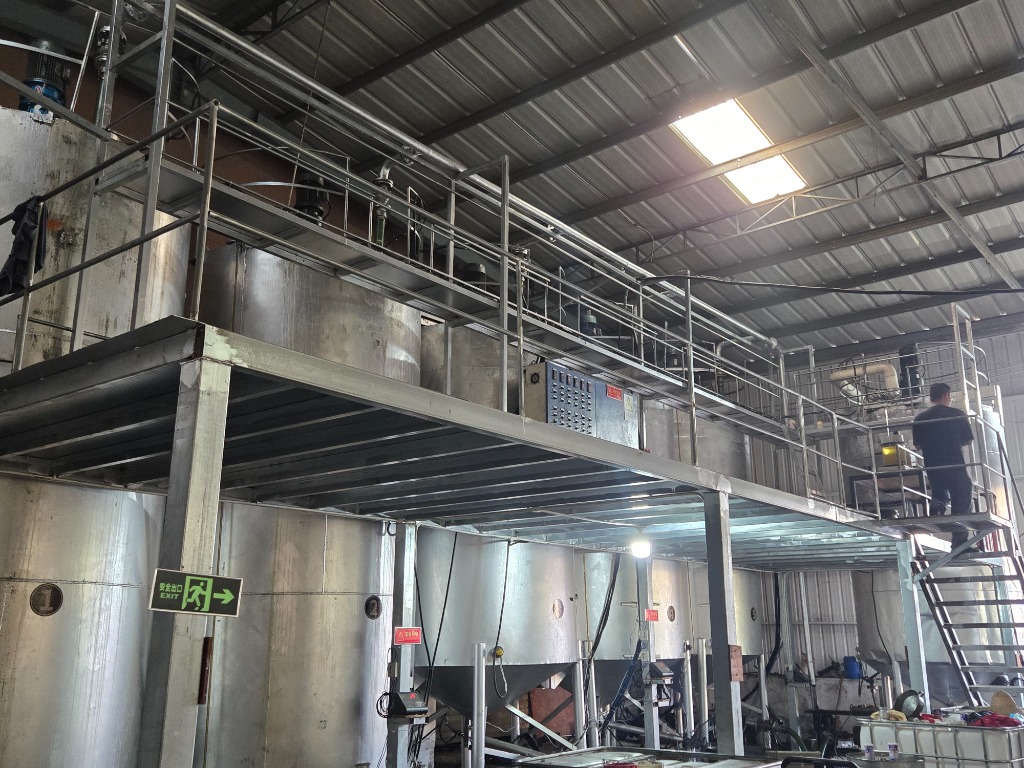
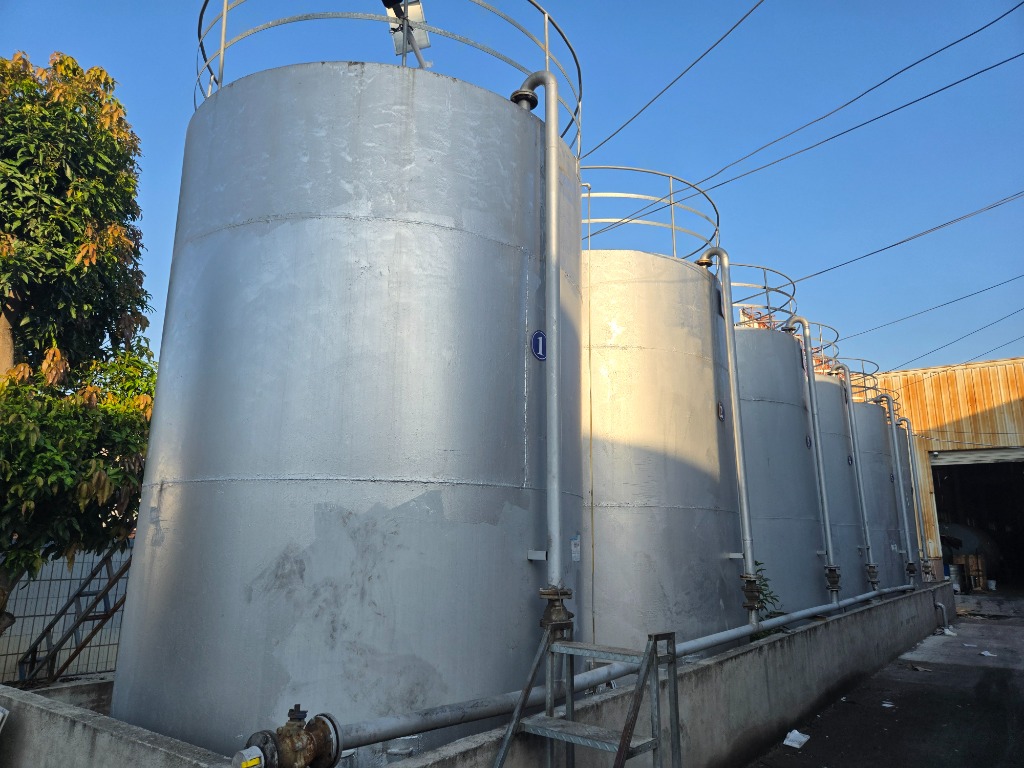
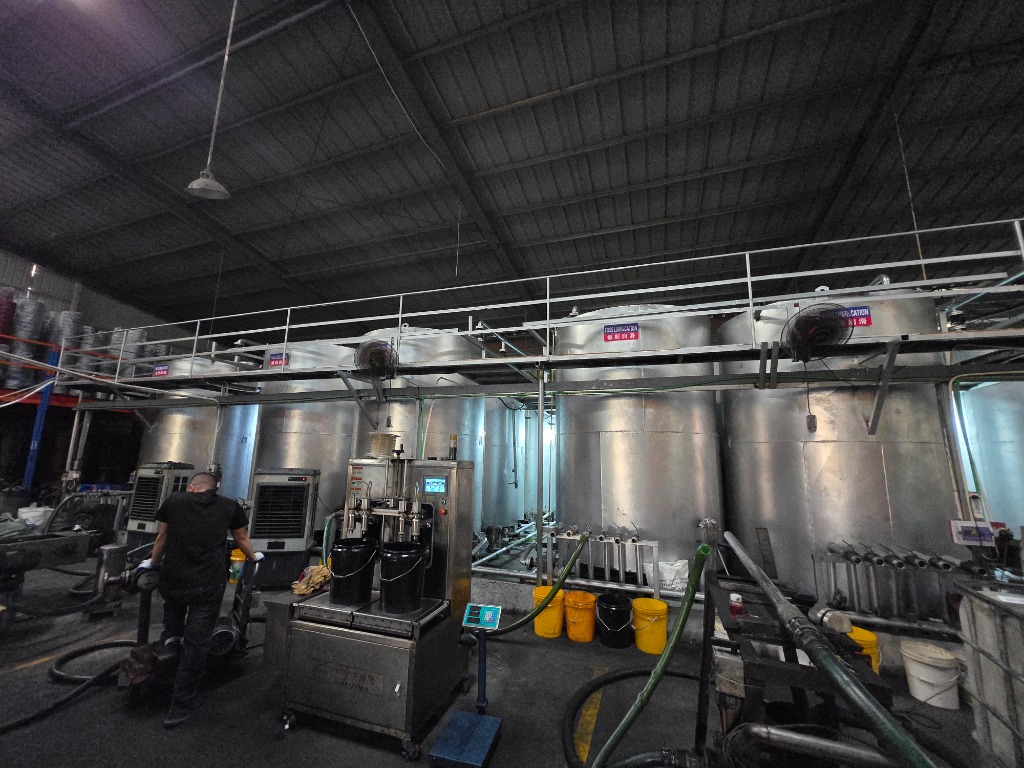
Quanzhou Foss Lubrication Technology Co., Ltd. remains fully prepared to support our international partners with dedicated bulk base oil reserves, automated mass-flow blending reactors, certified analytical laboratories, and priority container drayage agreements through Xiamen Port. We invite industrial procurement directors, fleet maintenance managers, and regional distributors to contact our technical sales desk directly for firm proforma quotations, laboratory test samples, and guaranteed fourth-quarter production slots.
Definitive 3-Day Lubricant & Base Oil Trend Forecast
Synthesized by the FOSS Quantitative Energy Modeling Desk based on active shipping line container bookings, regional tank farm draw-down rates, and prompt ICE Brent futures sentiment:
ICE Brent crude futures test $96.80–$97.40/bbl following OPEC+ ministerial confirmation of sustained supply discipline; Northeast Asian merchant refiners lift prompt Group II 500N spot offers to $1,475–$1,490/MT as Singapore middle-distillate crack margins hold above $28.60/bbl.
Extended Cape of Good Hope maritime loops and elevated bunker fuel surcharges maintain container freight tightness; cold-rolled SPCC steel drum packaging costs ($32.20/drum) solidify baseline export offers for DIN 51524-2 hydraulic fluids at $219.80/drum FOB Xiamen.
Widening $280/MT Group II 150N/500N neutral spread and acute hydrocracker unconverted oil (UCO) diversion prompt overseas mining, maritime, and manufacturing buyers to execute emergency November forward procurement contracts, locking in primary factory blending schedules.
5. Strategic Sourcing & Hedging Directives for Overseas Importers
For overseas procurement directors, fleet operators, and industrial distributors, market volatility represents both operational risk and competitive opportunity. We recommend the following three concrete actions for managing Q4 procurement:
Lock 60-Day Container Requirements
Secure firm proforma invoices (PI) with 30-day price validity. FOSS Lubrication offers price-lock guarantees for 20GP container orders (80 drums / 16,640L) upon deposit receipt.
Audit Laboratory CoA Verification
Demand full pre-shipment ASTM test parameters: kinematic viscosity at 40°C / 100°C, viscosity index ≥ 100, flash point ≥ 220°C, pour point ≤ -15°C, and zero moisture contamination.
FOSS Lubrication: Factory-Direct Precision Engineering
Operating out of Quanzhou, China, FOSS blends over 20,000 MT annually of ISO VG 32/46/68 anti-wear hydraulic oils, CK-4 heavy-duty engine oils, and industrial gear lubricants. Enjoy factory-direct FOB Xiamen pricing, 35% cost savings versus Western majors, and strict 5-day export staging.