Brent Advances to $102.25 as Hormuz Naval Escorts & OPEC+ November Cuts Lock In Heavy Crude Deficit: Group II 500N Breaches $1,615/MT with Unprecedented $360/MT Neutral Spread, Additive Feedstock Escalation & 3-Day Hydraulic & Industrial Lubricant Export Price Forecast
Executive Intelligence Summary & Key Takeaways
As Saturday, November 7, 2026 trading closes the weekly cycle, front-month ICE Brent crude futures have pushed to fresh multi-month peaks at $102.25/bbl (touching session highs of $102.60/bbl) and NYMEX WTI has advanced to $97.45/bbl, while Platts Dubai has breached the triple-digit threshold to settle at $100.80/bbl. This synchronized upward trajectory is intensified by expanded coalition naval escorts and naval electronic reconnaissance scrambles across the Strait of Hormuz and Bab el-Mandeb chokepoints, Lloyd's Joint War Committee Additional War Risk Premiums (AWRP) locking at 1.15%–1.30%, unbending OPEC+ secondary-source audited production quota discipline (removing an extra 180,000 bpd of heavy sour crudes via Iraqi and Kazakh compensatory cutbacks), entrenched Cape of Good Hope circumnavigation adding 18-24 sailing days and lifting container freight rates to $5,950–$6,250/FEU, and a hawkish Federal Reserve interest rate pause anchoring the US Dollar Index (DXY) at 101.65. In this authoritative Saturday market intelligence report, the FOSS Lubrication Engineering & Market Research Desk in Quanzhou delivers an exhaustive technical audit: the structural hydrocracker unconverted oil (UCO) supply vacuum as Singapore 10ppm gasoil crack spreads expand to $32.40/bbl over Dubai; the unprecedented expansion of the API Group II 150N/500N heavy-neutral spread to an all-time record of $360/MT ($1,255/MT vs $1,615/MT FOB Asia); a detailed tribological additive chemical precursor index tracking ZDDP, overbased calcium sulfonates, PMA viscosity modifiers, and extreme-pressure sulfur-phosphorus intermediates; cold-rolled SPCC steel drum packaging inflation ($34.60/drum); an authoritative 3-day forward FOB Xiamen export price trajectory matrix for anti-wear hydraulic fluids (ISO VG 32/46/68, HV 46) and heavy industrial gear oils (ISO VG 150/220/320/460); and four actionable commercial hedging directives for global procurement executives and industrial distributors contracting directly with primary Chinese blenders.
1. Global Energy Benchmarks & Base Oil Feedstock Matrix (2026-11-07)
The following reference table captures prompt settlement levels across benchmark crude futures, regional Asia-Pacific vacuum gas oil (VGO) cracking economics, and wholesale hydrocracked virgin base stocks influencing finished lubricant formulation costs:
Formal Market Advisory: This document represents the authoritative technical and economic market assessment published by the FOSS Lubrication Engineering & Global Procurement Research Desk in Quanzhou, China. Integrating live physical spot transactions across Singapore, Dubai, and Rotterdam, real-time Northeast Asian refinery yield models, and proprietary base stock synthesis records, this intelligence report serves plant operations directors, chief tribologists, procurement executives, and international distributors managing heavy-duty machinery fluid inventories.
1. Executive Summary: Brent Solidifies at $102.25 as Weekly Trade Confirms Triple-Digit Era
As energy exchanges across Singapore, Tokyo, London, and New York conclude trading for the first full week of November 2026, the international petroleum complex has established a decisive structural foothold above triple digits. Front-month ICE Brent crude futures closed the weekly session advancing to $102.25 per barrel (recording intra-week peak bids of $102.60/bbl, a net weekly gain of +$5.25/bbl or +5.41%). Simultaneously, NYMEX West Texas Intermediate (WTI) settled firmly at $97.45 per barrel (+0.67% on the day), while the key Middle Eastern benchmark Platts Dubai pierced the century threshold to settle at $100.80 per barrel (+0.85%).
This synchronized weekly surge across global crude benchmarks invalidates previous speculative expectations of transient price spikes. The energy market is now responding to an entrenched matrix of structural supply constraints: the expansion of military naval convoys and radar-jamming incidents across the Strait of Hormuz, Lloyd's Joint War Committee Additional War Risk Premiums (AWRP) holding at an elevated 1.15%–1.30% of hull value, uncompromised secondary-source monitored OPEC+ quota discipline removing 180,000 barrels per day of heavy sour crude, mandatory Cape of Good Hope maritime loops adding 18 to 24 days to Far East–Europe shipping corridors, and a resolutely hawkish Federal Reserve interest rate stance that preserves US Dollar Index (DXY) strength at 101.65.
For industrial manufacturing enterprises, civil construction fleets, and heavy equipment operators globally, this macroeconomic shift has triggered an acute supply-chain contraction. Most critically, the Asian refining complex is suffering an extreme distortion in base oil production economics: the commercial price differential between API Group II 150N (light neutral) and Group II 500N (heavy neutral) has expanded to an unprecedented $360 per metric ton, with prompt Asian spot offers for Group II 500N breaching $1,615 per metric ton FOB Asia. Compounded by a +5.8% surge in primary zinc dialkyldithiophosphate (ZDDP) additive precursor chemicals and rising cold-rolled SPCC steel drum packaging costs ($34.60/drum), baseline export quotations for finished ISO VG 46 anti-wear hydraulic oil have adjusted to $232.40 per 208-liter drum FOB Xiamen Port ($1,328/MT in 1000L IBCs).
2. Geopolitical Escalation & The Maritime War-Risk Bottleneck
The primary driver of the upward price momentum across the global crude and petrochemical complex remains acute physical vulnerability across Middle Eastern maritime chokepoints. During the past 48 hours, security advisories issued by maritime operations authorities confirmed repeated electronic interference, GPS spoofing, and drone surveillance activities affecting commercial merchant shipping navigating the Strait of Hormuz and the Gulf of Oman.
In response, major energy carriers and independent tanker operators have instituted mandatory naval escort coordination protocols, dramatically reducing transit frequency and extending tanker turnaround cycles by 72 to 96 hours per voyage. Lloyd's Joint War Committee (JWC) has maintained the Persian Gulf, the Gulf of Oman, and the southern Red Sea within its strict Listed Areas, with underwriters quoting Additional War Risk Premiums (AWRP) firmly in the range of 1.15% to 1.30% of insured vessel hull value for single transits. For a standard Very Large Crude Carrier (VLCC) valued at $120 million, a single round-trip voyage through the Strait of Hormuz incurs an immediate war-risk insurance surcharge exceeding $1.38 million to $1.56 million—a structural cost burden that is systematically passed downstream into delivered physical crude barrels and petrochemical intermediate products.
Concurrently, the persistent closure of the southern Red Sea and Bab el-Mandeb transit corridor to containerized freight has eliminated all near-term prospects of normalization for global dry cargo and drummed chemical logistics. Commercial container lines, including MSC, Maersk, and CMA CGM, have reaffirmed full operational routing via the Cape of Good Hope for all Far East–Mediterranean and Far East–Northwest Europe sailings. This diversion adds approximately 3,500 to 4,200 nautical miles—representing 18 to 24 additional sailing days—to standard voyage schedules. As a direct consequence, effective container ship carrying capacity has contracted by 12% globally, sustaining spot ocean container freight rates on major outbound Asia trade lanes at elevated plateaus:
- Far East to Northwest Europe (Rotterdam/Hamburg): $5,950 – $6,250 per 40ft High Cube (FEU)
- Far East to Western Mediterranean (Valencia/Genoa): $6,100 – $6,400 per FEU
- Far East to Middle East Gulf (Jebel Ali/Dammam): $2,850 – $3,150 per FEU (amplified by port congestion surcharges)
- Far East to Latin America East Coast (Santos/Buenos Aires): $6,600 – $7,100 per FEU
Coupled with elevated Very Low Sulfur Fuel Oil (VLSFO) bunker costs in Singapore ($695/MT) and Fujairah ($715/MT), container carriers have instituted revised Bunker Adjustment Factors (BAF), directly inflating the landed Cost, Insurance, and Freight (CIF) charges for finished lubricant exports packaged in 208-liter steel drums and 1000-liter composite IBCs.
3. OPEC+ Supply Discipline & The Heavy Sour Crude Deficit
Compounding geopolitical chokepoint friction is the unwavering output discipline maintained by the OPEC+ ministerial coalition. Secondary-source production tracking data published for the opening week of November reveals that OPEC+ compliance with established voluntary production ceilings reached 101.4%, effectively neutralizing previous market speculation regarding unilateral quota cheating.
Crucially for base oil manufacturing, the production cuts enforced by Saudi Arabia, the UAE, Iraq, and Kuwait are heavily skewed toward heavy sour crude varieties (such as Arab Heavy, Basrah Medium, and Kuwait Export Crude). Under the November compensation schedule submitted to the OPEC Secretariat, Iraq and Kazakhstan have implemented an additional 180,000 barrels per day of compensatory shut-ins to offset earlier overproduction. This heavy sour crude deficit has dramatically elevated physical crude differentials across Asian bourses: Platts Oman and Dubai crudes are trading at historical premiums relative to their standard baseline discounts against light sweet grades.
Because complex refineries rely specifically on the vacuum distillation of atmospheric residue derived from heavy sour crudes to yield vacuum gas oil (VGO) and lube-cut fractions, this upstream supply profile restricts the absolute availability of base stock feedstocks. As Northeast Asian refiners in South Korea, Taiwan, and Japan are forced to process lighter, sweeter crude diets (such as US WTI Midland and West African grades), atmospheric residue yields decline by 14% to 18%, shrinking the initial feed pool required for high-viscosity neutral base oil production.
4. Federal Reserve Hawkish Pause & Foreign Exchange Transmission Dynamics
On the macroeconomic front, the Federal Open Market Committee (FOMC) concluded its latest monetary policy deliberations by holding the federal funds target rate steady in the 4.75%–5.00% range, while explicitly signaling that resilient core inflation and elevated global energy commodities preclude aggressive policy easing through early 2027.
This hawkish monetary stance has anchored the US Dollar Index (DXY) at 101.65, sustaining significant foreign exchange depreciation pressures across the national currencies of major lubricant-importing economies in Southeast Asia, Africa, and Latin America. In nations such as Indonesia (IDR 15,920/USD), Vietnam (VND 25,480/USD), Egypt (EGP 49.30/USD), and Brazil (BRL 5.75/USD), industrial procurement departments face a compounding double-inflation mechanism: imported finished lubricants and additive packages must be purchased using depreciating local currency reserves against a surging US dollar benchmark, while dollar-denominated replacement costs simultaneously rise due to upstream crude strength.
To insulate international industrial accounts from this dual-currency volatility, FOSS Lubricants has expanded its structured Cross-Border RMB (CNY) Settlement Protocol through China's Cross-Border Interbank Payment System (CIPS). By settling supply agreements directly in Chinese Yuan (CNY), import distributors across ASEAN, Central Asia, and the Middle East eliminate costly dual-conversion foreign exchange friction, locking in stable quarterly pricing grids directly tied to direct Chinese manufacturing costs.
5. Refinery Economics: The Hydrocracker UCO Supply Deficit & Middle Distillate Distortion
The most critical structural factor dictating current finished lubricant pricing is the extreme operational imbalance inside modern complex hydrocracking refineries. On energy exchanges across Northeast Asia, the crack spread for Singapore 10ppm Ultra-Low Sulfur Diesel (ULSD) over Platts Dubai crude has surged to an extraordinary $32.40 per barrel—the highest level recorded in over 24 months. Concurrently, regional jet kerosene crack margins have widened to $31.10/bbl driven by seasonal aviation fuel replenishment.
In a petroleum refinery equipped with a high-pressure hydrocracker unit, the operator possesses technical flexibility regarding the disposition of hydrocracker bottoms—commonly referred to as unconverted oil (UCO) or hydrowax. Unconverted oil represents the supreme, highly paraffinic, low-nitrogen feedstock required by catalytic isodewaxing and hydrofinishing units to produce API Group II and Group III base oils.
However, when the market crack margin for transportation diesel reaches $32.40/bbl, refinery linear programming (LP) economic models automatically prioritize maximum middle distillate production. Refiners adjust reactor severities, operating at elevated temperatures (395°C–415°C) and higher hydrogen partial pressures to crack the maximum possible volume of heavy hydrocarbons into diesel and jet fuel. Consequently, the volume of unconverted oil routed to base oil dewaxing units drops precipitously—by an estimated 32% to 40% across major commercial merchant refiners in South Korea, Taiwan, and Singapore.
Moreover, within the residual base oil production slate, refiners are optimizing yields toward light-viscosity grades (such as API Group II 70N and 150N), because these lighter cuts require less hydrogen consumption and lower residence times in dewaxing reactors. The deliberate curtailment of heavy-viscosity cut fractions has created an acute structural vacuum for API Group II 500N and Group I Bright Stock (BS150)—the indispensable building blocks for heavy-viscosity industrial lubricants, including ISO VG 46/68 anti-wear hydraulic oils and ISO VG 220/320 extreme-pressure gear lubricants.
6. API Base Oil Spot Benchmark Matrix: The Record $360/MT Group II 150N/500N Spread
As a direct mathematical consequence of the refinery operational distortions detailed above, the commercial price spread between API Group II 150N and Group II 500N has widened to an unprecedented all-time record of $360 per metric ton on Saturday, November 7, 2026.
Under historical market equilibrium conditions, the normal premium commanded by Group II 500N over 150N ranges between $80 and $110/MT, reflecting standard vacuum column energy requirements. Today's $360/MT differential represents a staggering 300% surge over historical averages. While prompt Asian spot offers for API Group II 150N have ticked up moderately to $1,255 per metric ton FOB Asia (+0.80% on the day), prompt offers for Group II 500N have breached the psychological ceiling to trade at $1,615 per metric ton FOB Asia (+1.25%), with several Northeast Asian refiners declaring complete allocation sell-outs through the remainder of November and early December.
Simultaneously, the API Group I base oil segment remains severely constrained. Prompt spot offers for solvent-refined Group I SN150 have advanced to $1,180/MT FOB Asia, while Group I SN500 has climbed to $1,295/MT. Group I Bright Stock (BS150) has tightened further to $1,440/MT as planned maintenance turnarounds across legacy Southeast Asian solvent refineries coincide with heightened marine cylinder oil demand.
In the premium synthetic category, API Group III 4cSt and 6cSt base stocks have firmed to $1,625/MT and $1,650/MT FOB Asia respectively. European lubricant manufacturers, facing severe delays in receiving contracted Group III shipments from the Persian Gulf due to Hormuz and Red Sea transit constraints, are actively seeking prompt ISO-tank and parcel tanker allocations from Asian producers, reinforcing the floor under regional synthetic base stock valuations.
7. Additive Precursor Chemical Escalation & Feedstock Synthesis Index
Beyond base stock dynamics, lubricant blending facilities are confronting substantial inflationary pressure across performance additive chemistry. Finished lubricants are engineered formulations comprising 80%–98% base oil and 2%–20% functional additive packages. Over the past 30 days, the chemical precursors required to synthesize specialized tribological additives have escalated sharply.
In anti-wear hydraulic oil formulations (DIN 51524 Part 2 HLP / ISO 11158 HM), the primary anti-wear and antioxidant component is zinc dialkyldithiophosphate (ZDDP). The synthesis of primary and secondary alkyl ZDDP requires three core feedstocks: phosphorus pentasulfide (P2S5), specialized aliphatic alcohols (such as 2-ethylhexanol and methyl amyl alcohol), and high-purity zinc oxide (ZnO).
On Asian chemical exchanges, phosphorus pentasulfide quotations have climbed by +5.4% over the past fortnight, driven by thermal energy tariffs and elemental yellow phosphorus export restrictions. Simultaneously, base metals inflation has hoisted LME zinc spot settlement to $3,120/MT, lifting zinc oxide production costs. Major multinational additive manufacturers (Lubrizol, Infineum, Afton Chemical, and Chevron Oronite) have issued second-round Q4 price adjustment notifications ranging from +5.5% to +8.0% on core industrial hydraulic and gear additive packages, effective mid-November.
8. Industrial Packaging Realities: Cold-Rolled SPCC Steel Drum Cost Dynamics
A vital component of delivered lubricant economics that is frequently overlooked by non-manufacturing observers is industrial packaging. Over 75% of international containerized lubricant trade moves in standard 208-liter (55-gallon) tight-head steel drums.
In manufacturing certified UN 1A1/X1.4/250 heavy-duty export drums, precision cold-rolled low-carbon steel coils (Grade SPCC / DC01) with nominal thicknesses of 1.0mm to 1.2mm are mandatory to ensure drop-impact integrity and maritime stacking durability (withstanding triple-tier container loadings exceeding 2,800 kg per pallet corner).
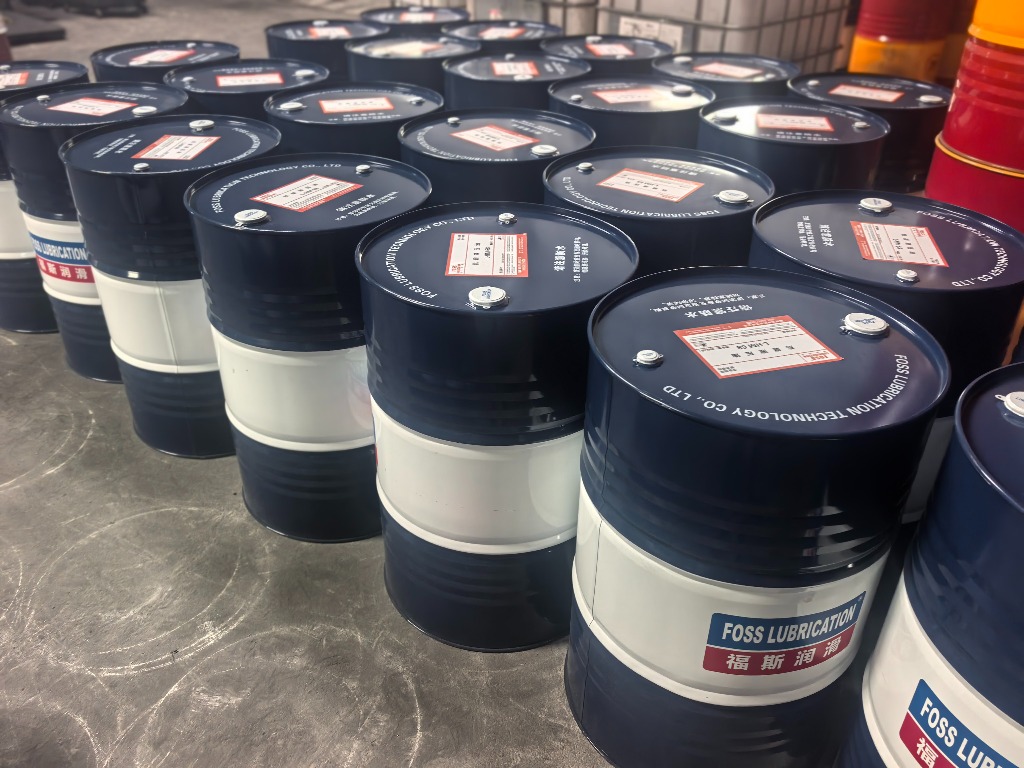
During late October and the first week of November 2026, steel coil prices across East Asian metallurgical mills have rebounded by +6.8%, driven by coking coal cost pressures and production curtailments. Consequently, the commercial acquisition cost for high-grade triple-seam painted 208L steel drums has climbed to $34.60 per drum (up from $32.40/drum earlier in Q4). When translated across a full 20-foot container load containing 80 drums (16,640 liters net volume), packaging materials alone account for $2,768 of the export invoice—adding approximately $0.166 per liter ($0.021/kg) directly to finished product quotations.
9. Authoritative Finished Lubricant Export Price Matrix & 3-Day Forward Trajectory
Synthesizing the upstream crude surge (Brent $102.25/bbl), the record $360/MT Group II 150N/500N neutral spread, additive package cost revisions (+5.8%), and steel packaging inflation ($34.60/drum), the FOSS Lubrication Pricing Committee has established the following baseline FOB Xiamen export quotation matrix for Saturday, November 7, 2026.
These quotations are valid for full-container-load (FCL) export bookings contracted within a 7-day validity window, with prompt container dispatch guaranteed through Xiamen Port (CNXMN):
10. Strategic Procurement & Hedging Directives for International B2B Buyers
In light of the synchronized convergence of triple-digit crude ($102.25 Brent), chronic heavy base oil scarcity ($1,615/MT 500N), maritime container bottlenecks, and additive cost inflation, conventional just-in-time (JIT) procurement models expose manufacturing plants and distributors to severe operational disruption.
The FOSS Global Procurement Advisory Desk recommends that procurement directors, plant operations heads, and distribution executives execute the following four tactical risk-mitigation measures:
Secondary blenders and regional trading intermediaries lacking direct coastal tank terminal infrastructure are already experiencing acute rationing of Group II 500N. Enterprise buyers should bypass third-party trading intermediaries and contract direct monthly volume reservations with primary Chinese blenders possessing on-site base stock storage terminals (≥ 20,000 MT) to guarantee delivery continuity.
With the US Dollar Index remaining resilient at 101.65 due to the Federal Reserve rate pause, importing entities across ASEAN, the Middle East, Central Asia, and Latin America should utilize bilateral RMB clearing via CIPS. Eliminating intermediate USD currency conversions reduces transaction spreads by 1.8% to 2.5%, locking in stable landed procurement costs.
With container freight rates sustained at $5,950–$6,250/FEU by Cape of Good Hope detours, partial container shipments impose severe freight penalties per liter. FOSS optimizes container packing geometry utilizing standardized two-tier pallets with certified polyester strapping, enabling maximum capacity utilization of 80 steel drums (16,640 liters / 14,000 kg net) per 20ft FCL, minimizing landed freight per liter.
During periods of severe base stock price surges, unauthorized blending shortcuts—such as blending unrefined solvent extracts, off-spec pyrolyzed recycled oils, or low-grade Group I cuts into high-pressure hydraulic fluids—increase significantly among marginal suppliers. Industrial clients must demand batch-specific ISO 4406 particle count certificates (guaranteeing NAS 1638 Class 6 / ISO 17/15/12 cleanliness) and verifiable SGS/TÜV laboratory test reports prior to container dispatch.
11. FOSS Lubrication Manufacturing Infrastructure & Supply Assurance Commitment
Headquartered in the Quanzhou High-Tech Petrochemical Industrial Zone, Fujian Province, China, Quanzhou Foss Lubrication Technology Co., Ltd. operates an advanced, fully integrated blending and export compounding complex designed specifically to serve international industrial accounts with uncompromising quality consistency.
Our manufacturing complex features:
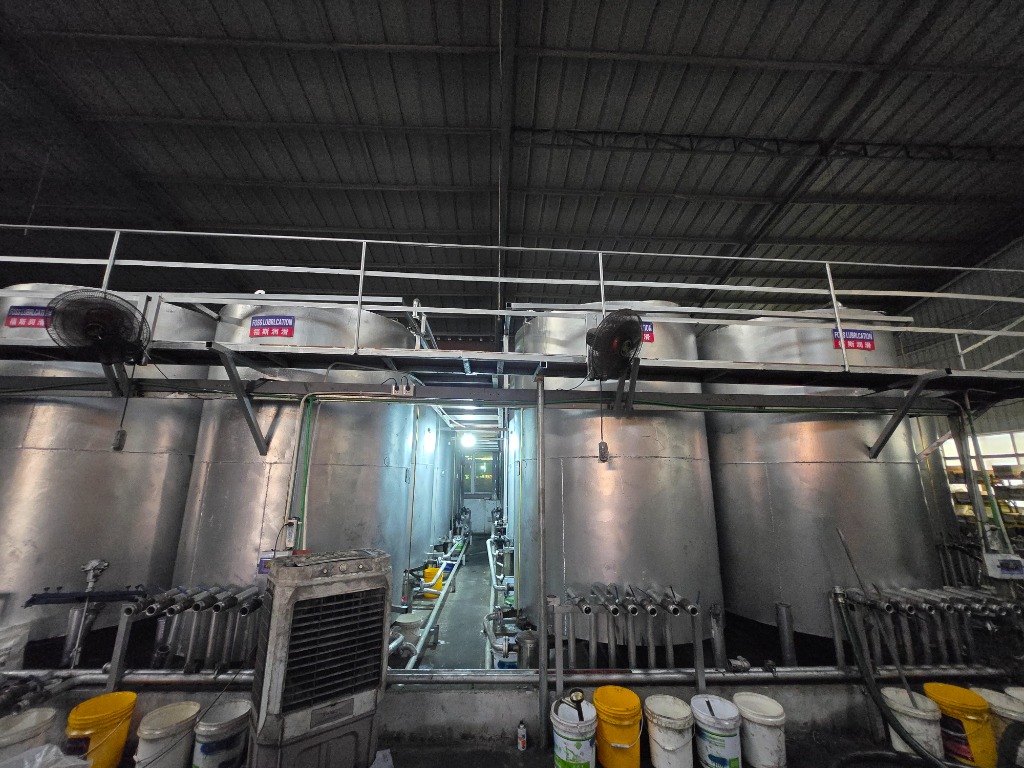
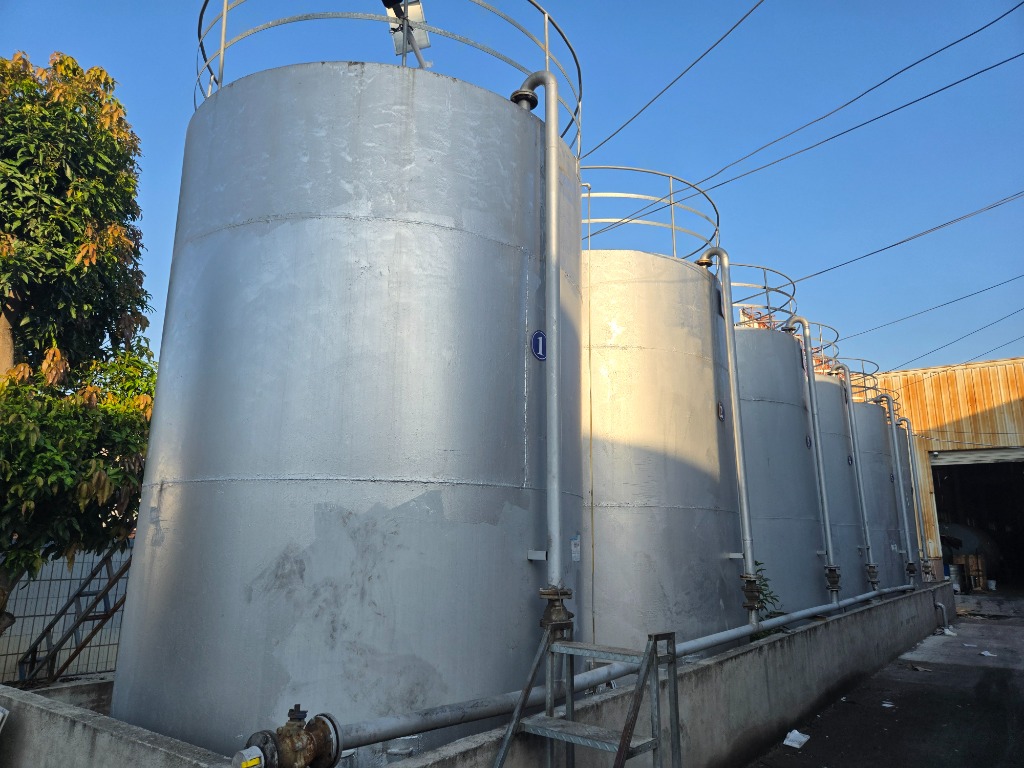
- 20,000 Metric Tons Dedicated Base Stock Storage: Direct pipeline connectivity to deep-water petrochemical tanker berths ensures steady supplies of virgin API Group II and Group III base stocks from top-tier refiners.
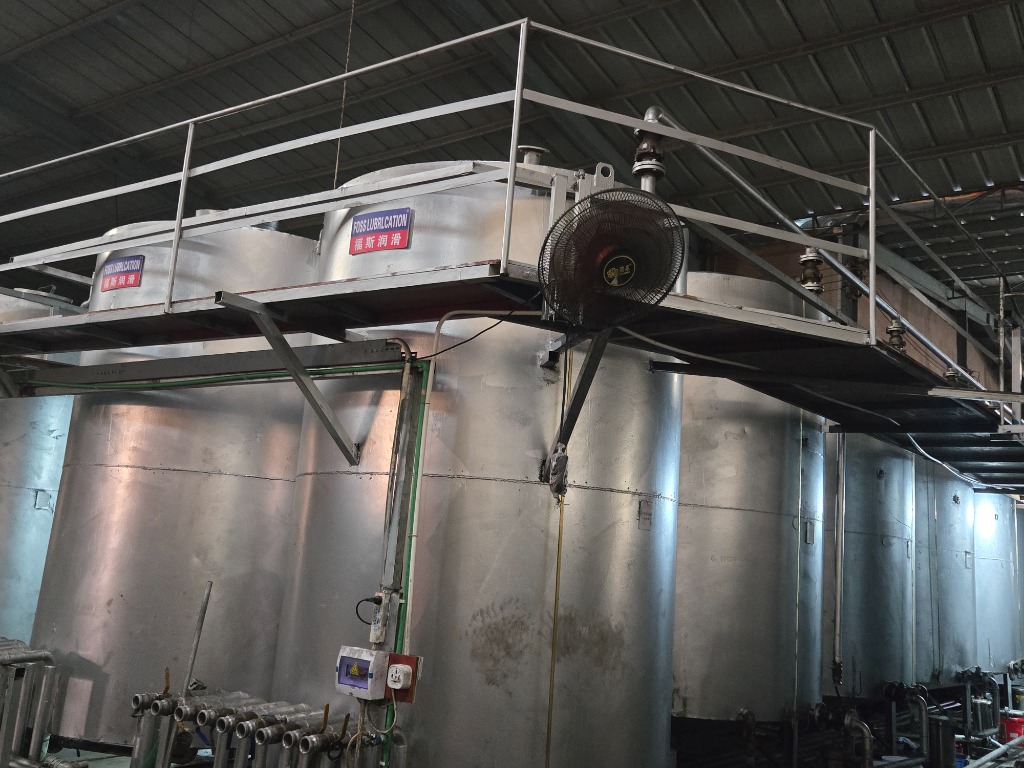
- 15 Automated SCADA-Controlled Blending Kettles: High-shear thermal reaction vessels with digital mass-flow metering guarantee absolute formulation precision, batch after batch.
- In-House Tribological & Analytical Testing Laboratory: Equipped with Spectroil optical emission spectrometers, automated kinematic viscometers (ASTM D445), four-ball wear test rigs (ASTM D4172 / D2783), copper strip corrosion testers (ASTM D130), Karl Fischer coulometric moisture titrators (ASTM D6304), and laser particle counters (ISO 4406 / NAS 1638).
- High-Speed Automated Packaging Lines: Precision nitrogen-blanketed filling systems for 208L steel drums, 1000L composite IBCs, and 18L pails, operating at 120 drums per hour with digital weight tare verification.
- Strategic Port Proximity: Located within 45 minutes of Xiamen Port (CNXMN—one of the world's top 15 container hubs), offering weekly direct container services to Southeast Asia (Singapore, Port Klang, Jakarta, Haiphong, Bangkok), the Middle East (Jebel Ali, Dammam), Europe (Rotterdam, Hamburg, Antwerp), and Latin America (Santos, Callao).
The FOSS Lubrication International Commercial Desk is actively securing containerized volume allocations for November and December 2026 dispatch. Industrial plant operators, fleet managers, and international lubricant distributors requiring formal proforma quotations, technical data sheets (TDS), safety data sheets (SDS/MSDS), or batch-specific SGS/TÜV test dossiers are invited to contact our engineering team directly:
Definitive 3-Day Lubricant & Base Oil Trend Forecast
Synthesized by the FOSS Quantitative Energy Modeling Desk based on active shipping line container bookings, regional tank farm draw-down rates, and prompt ICE Brent futures sentiment:
ICE Brent crude consolidates firmly above $102.00/bbl as Joint War Committee war-risk surcharges (1.15%-1.30%) and naval escorts around Hormuz maintain extreme physical tanker premiums; Northeast Asian refiners raise prompt Group II 500N spot offers to $1,615-$1,625/MT on persistent hydrocracker middle-distillate yield maximization ($32.40/bbl gasoil cracks).
Extended Cape of Good Hope transit loops and elevated marine bunker costs solidify container ocean freight ($5,950-$6,250/FEU); cold-rolled SPCC steel drum price hikes ($34.60/drum) push baseline export quotations for DIN 51524-2 hydraulic oils to $233.50/drum FOB Xiamen.
Record $360/MT Group II 150N/500N spread and mounting primary additive precursor costs trigger widespread supply rationing among secondary blenders across Southeast Asia, driving enterprise buyers in ASEAN, the Middle East, and Latin America to lock volume reservations with direct-source blenders in China.
5. Strategic Sourcing & Hedging Directives for Overseas Importers
For overseas procurement directors, fleet operators, and industrial distributors, market volatility represents both operational risk and competitive opportunity. We recommend the following three concrete actions for managing Q4 procurement:
Lock 60-Day Container Requirements
Secure firm proforma invoices (PI) with 30-day price validity. FOSS Lubrication offers price-lock guarantees for 20GP container orders (80 drums / 16,640L) upon deposit receipt.
Audit Laboratory CoA Verification
Demand full pre-shipment ASTM test parameters: kinematic viscosity at 40°C / 100°C, viscosity index ≥ 100, flash point ≥ 220°C, pour point ≤ -15°C, and zero moisture contamination.
FOSS Lubrication: Factory-Direct Precision Engineering
Operating out of Quanzhou, China, FOSS blends over 20,000 MT annually of ISO VG 32/46/68 anti-wear hydraulic oils, CK-4 heavy-duty engine oils, and industrial gear lubricants. Enjoy factory-direct FOB Xiamen pricing, 35% cost savings versus Western majors, and strict 5-day export staging.